
Justice Delayed, Lives Upended: Two Decades After the 7/11 Arrests
Former 7/11 accused reflect on years lost to imprisonment, allegations of torture, and the long wait for justice as their legal battle continues in the Supreme Court.
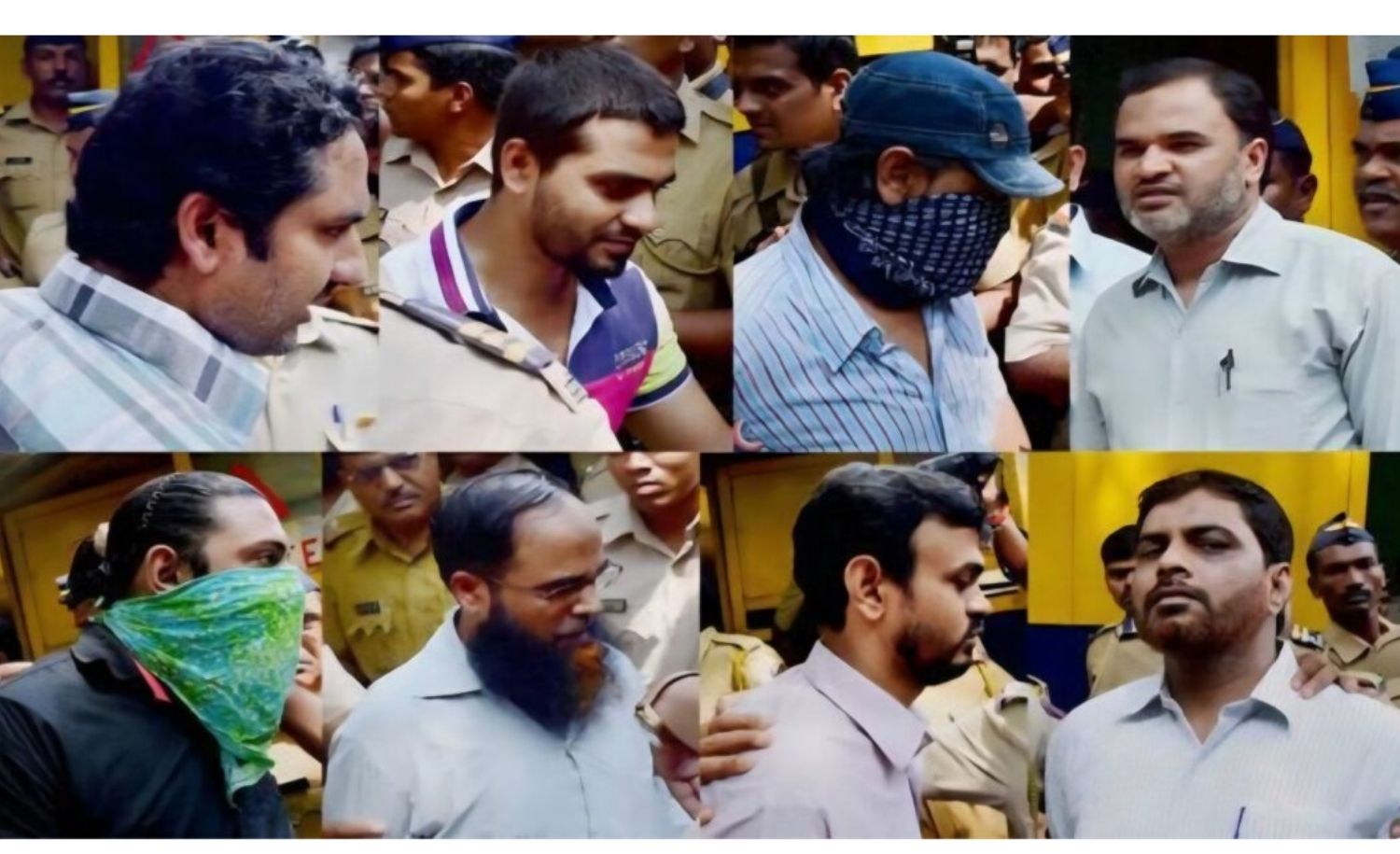

Twenty years after the arrests in the 2006 Mumbai train blast case, several men who were later acquitted by the Bombay High Court gathered in Ernakulam, Kerala, for a public event organized by the Solidarity Youth Movement. The program, titled “War on Terror,” marked 25 years since the launch of the United States led global War on Terror while also reflecting on what participants described as two decades of injustice in the Indian investigation into the 7/11 case.
For those who spent nearly two decades behind bars before being acquitted, the passage of time is measured not in years but in lives changed forever.
The former prisoners recalled that when they were first arrested, they believed they had been detained because of mistaken identity and expected to be released once the real suspects were found. According to their account, investigators repeatedly gave conflicting explanations during interrogation. At different times, they said they were told they would be freed after the real culprits were arrested, that they themselves were responsible for the attacks, or that innocent people were being implicated because investigators could not identify the actual perpetrators.
They said the changing narratives left them confused and uncertain about their future.
As the months turned into years, they came to accept that they would remain undertrial prisoners for a long period. What they never expected, they said, was to be convicted. They recalled a conversation with a jail official in 2008, who remarked that while some accused might eventually be acquitted, others could still be convicted. At the time, they struggled to believe that anyone could be punished on the basis of fabricated evidence.
That belief, they said, was shattered in 2015 when a special court sentenced five of the accused to death and seven others to life imprisonment.
The former prisoners alleged that the consequences of wrongful prosecution extend far beyond imprisonment. According to them, once police file a charge sheet, attention shifts to new investigations while those accused are left to endure years of incarceration, damaged reputations, and lasting emotional and physical trauma.
Several of the acquitted men also alleged that they were subjected to severe custodial torture. They said the physical injuries eventually healed, but the psychological scars remain. They expressed hope that future prisoners would be protected from similar treatment and called for accountability against officers responsible for custodial abuse.
They further argued that despite the Bombay High Court’s observations questioning the investigation and noting concerns regarding the confessions, no action has been taken against those allegedly responsible for the interrogation methods used during the case.
The former accused said they had written numerous letters from prison to political leaders and government officials, insisting they were innocent. According to them, those appeals received little attention because authorities continued to trust the investigation conducted by the police.
They questioned why, after the Bombay High Court acquitted all twelve surviving accused in 2024, political leaders did not reconsider their earlier assumptions about the case.
The acquitted men also praised the Bombay High Court judges who delivered the verdict, saying the judgment reflected judicial independence and conscience despite the sensitive nature of the case. They argued that the decision demonstrated the importance of courts remaining free from external pressure.
Following the High Court verdict, however, the Maharashtra government challenged the acquittal before the Supreme Court. The former prisoners said this means that even after spending 19 years in prison, they continue to live under legal uncertainty while awaiting the final outcome.
According to them, the slow pace of the judicial process has prevented them from rebuilding their lives. Many say they remain unable to secure stable employment, seek compensation, or move forward without the fear that the pending appeal could once again alter their future.
One former accused remarked that the Supreme Court proceedings could take so long that some of those acquitted may not live to see the final judgment.
Despite their release, many continue to struggle financially. The article notes that Dr Tanveer Ansari was reinstated by Muslim Ambulance Hospital with the support of Dr Abdul Rauf Sumar, while another acquitted accused returned to work at Anjuman I Islam Mumbai with support from Dr Zaheer Kazi. The former prisoners expressed gratitude to these institutions but also appealed to other community organizations and employers to help those who continue to face difficulties finding work.
They also acknowledged assistance from Dr Asif Mujtaba of Miles2Smile, who has supported efforts to help former prisoners establish independent livelihoods.
The article recalls that during the trial, Dr Abdul Rauf Sumar testified that Dr Tanveer Ansari had been on duty at the hospital throughout the period surrounding the train blasts and produced hospital records in support of his testimony. According to the former prisoners, the trial court rejected this evidence before convicting him, while the High Court later considered the material during the appeal.
The article also remembers Kamal Ansari, one of the accused who died before seeing the conclusion of the legal battle. His family, including his widow and six children, continues to face hardship. Following the acquittal, several former prisoners visited his grave to symbolically share the judgment, saying it illustrated how justice had arrived too late for him.
For the past decade, members of the Innocence Network of India have organized annual awareness programs on July 11 to highlight what they describe as the wrongful prosecution of the accused in the 7/11 case. This year’s event was ultimately postponed after legal advisers recommended avoiding public campaigns while the matter remains pending before the Supreme Court.
Although the acquitted men say the Bombay High Court verdict restored their freedom, they believe the search for justice is not yet complete. They continue to demand accountability for those they accuse of fabricating evidence and insist that the investigation should be reopened so that those responsible for the 2006 Mumbai train bombings can be identified and prosecuted.