
JIH Karnataka Calls for Democratic Vigilance Amid Rising Political Polarisation
At its annual Shura meeting in Bengaluru, Jamaat e Islami Hind Karnataka stressed the need to protect democratic values, strengthen civil society efforts, and encourage responsible community leadership.
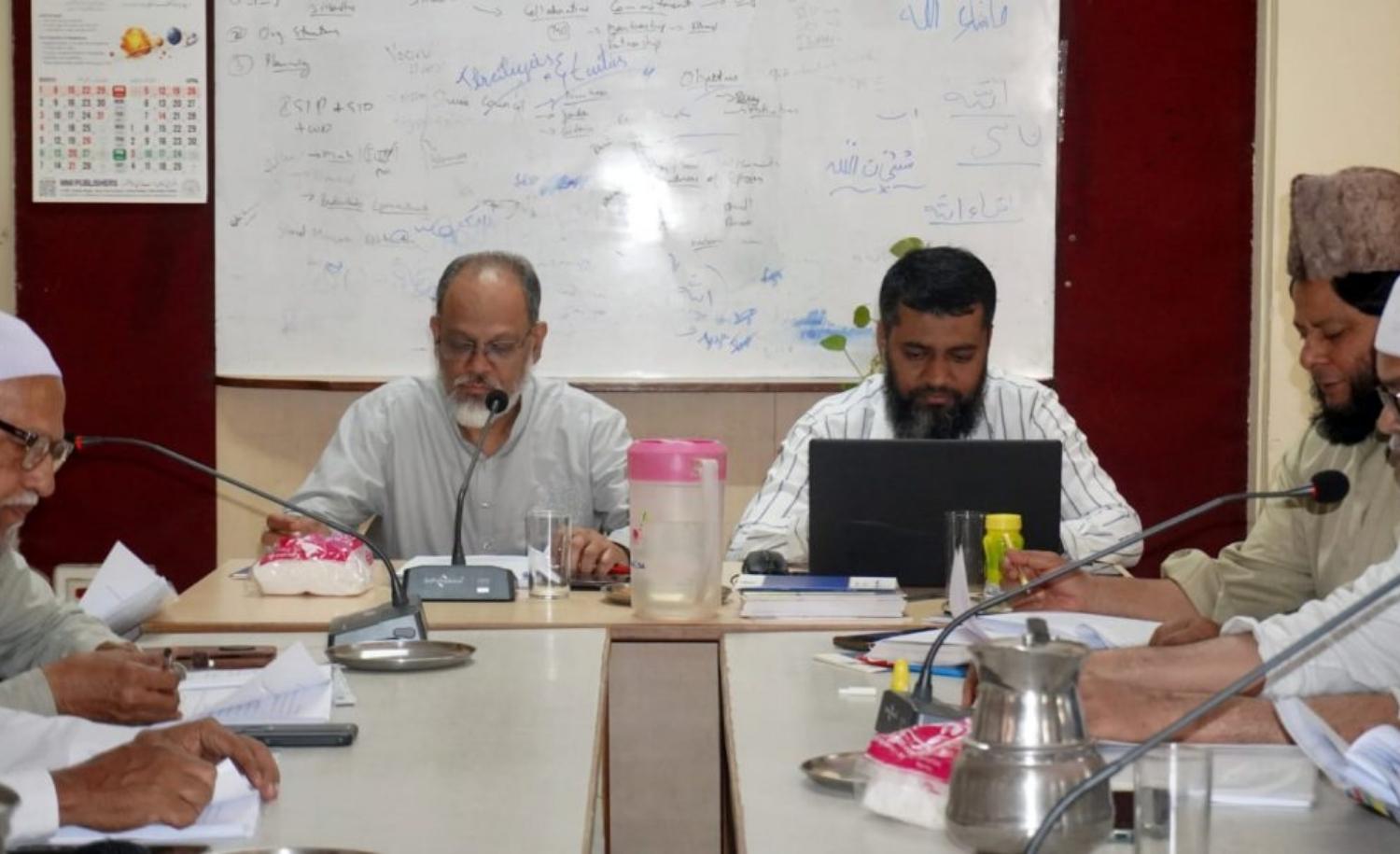

Amid growing political polarisation and increasing debate over the condition of democratic institutions in India, the annual Majlis e Shura session of Jamaat e Islami Hind Karnataka delivered a message that balanced concern with hope and criticism with responsibility.
The three day meeting, held in Bengaluru from May 2 to 4 under the leadership of Dr Mohammed Saad Belgami, focused on the country’s changing political and social environment, particularly after recent Assembly election developments in five states.
During the session, members expressed serious concern over what they described as the rising influence of majoritarian and authoritarian tendencies in the country. The resolutions adopted at the meeting reflected worries about shrinking democratic space, weakening institutional neutrality, and growing pressure on India’s pluralistic identity.
One of the key concerns raised was about the credibility and impartiality of the Election Commission of India. The Shura noted that questions regarding the functioning of democratic institutions have increasingly become part of national public discourse in recent years.
The gathering stressed that democracy depends not only on elections, but also on public trust in the fairness and transparency of constitutional institutions. According to the resolutions, weakening confidence in such institutions can have long term consequences for the country’s democratic foundation.
At the same time, the Shura appreciated the efforts of civil society groups, activists, intellectuals, and democratic organisations working to preserve India’s secular and constitutional values. The statement highlighted the importance of patience, peaceful engagement, and constructive democratic participation at a time when political discussions are becoming increasingly divisive.
The session also underlined the need for cooperation between social organisations, religious scholars, minorities, and ordinary citizens to strengthen democratic culture and constitutional accountability.
Interestingly, the Shura observed that Karnataka’s political and social atmosphere remains comparatively more balanced than several other regions of the country. It referred to recent by election outcomes where secular candidates secured victories, describing them as a positive sign for democratic and pluralistic politics in the state.
At the same time, the organisation turned attention toward the Muslim community’s own political approach. The resolutions expressed concern over the lack of coordination, broader political vision, and strategic planning among Muslim representatives during recent elections.
The Shura acknowledged that Muslim political participation in many parts of the country often remains fragmented and reactive, making it difficult for the community to build effective democratic influence despite its presence in several constituencies.
Emphasising the role of collective platforms and religious scholars, the gathering called for more mature, ethical, and farsighted leadership. It stressed that emotional reactions alone are not enough to address modern political challenges and that communities need long term planning, issue based unity, and institutional cooperation.
The resolutions adopted in Bengaluru reflected the larger challenges facing Indian democracy today. While concerns over polarisation and institutional trust continue to grow, the Shura maintained that democratic resistance through constitutional methods, civil society engagement, and collective social responsibility remains possible.