
Jamaat e Islami Hind Raises Concerns Over SIR, Election Commission and Demolition of Religious Places
JIH leaders call for accountability over alleged voter deletions, protection of places of worship and greater institutional independence
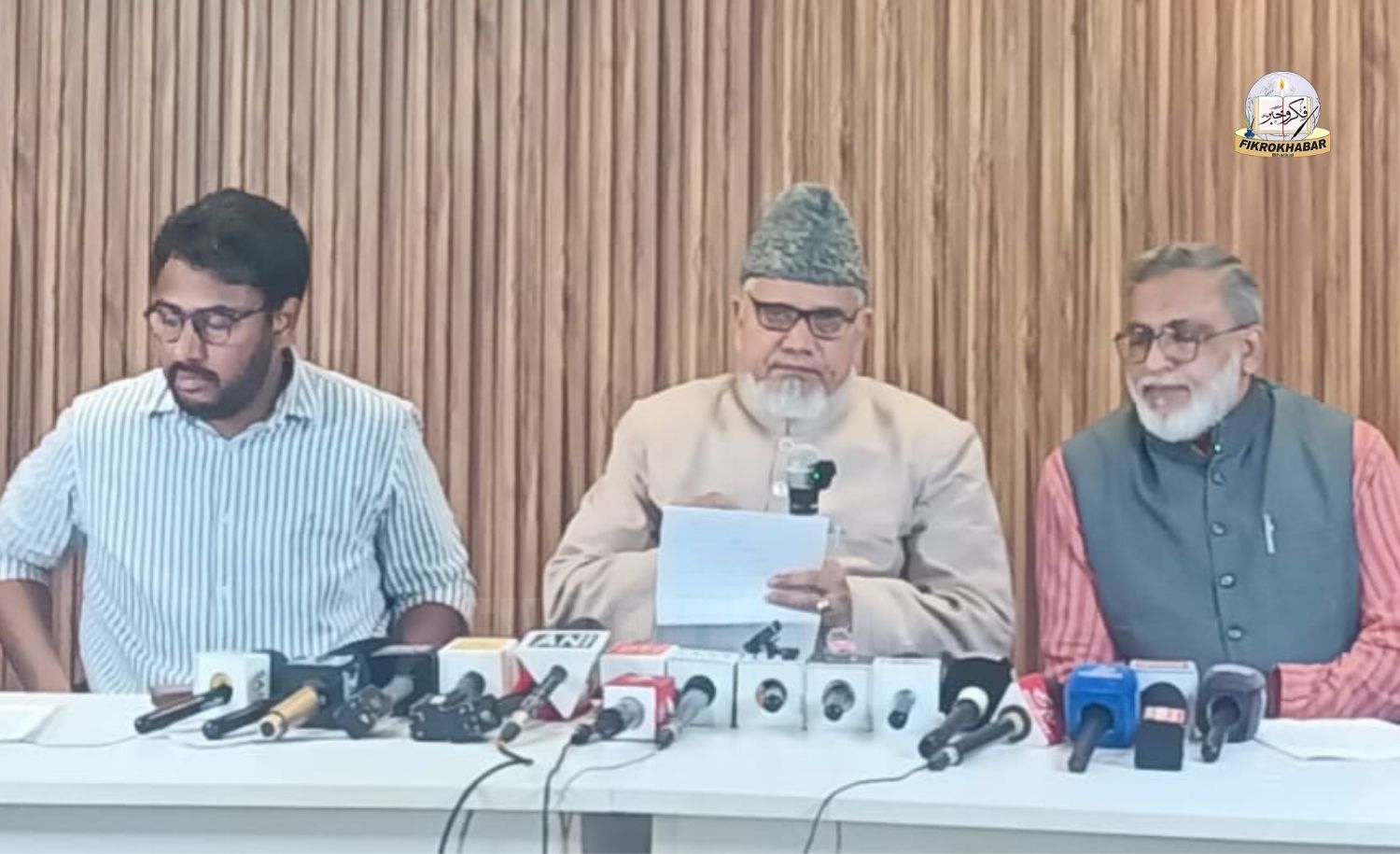

New Delhi: Jamaat e Islami Hind has expressed concern over the functioning of democratic institutions, the Special Intensive Revision of electoral rolls, the role of Chief Election Commissioner Gyanesh Kumar, recent restrictions on protests and the demolition of religious structures in different parts of the country.
Addressing the media, JIH Vice President Prof Salim Engineer questioned the manner in which the SIR exercise was being conducted. He referred to reports alleging that around 13 crore names had been removed from electoral rolls and said such large scale changes required greater transparency and effective mechanisms for genuine voters to raise objections.
Prof Salim also referred to reported differences within the Election Commission over decisions connected with the SIR process. He alleged that the functioning of the Commission had become excessively centralised and called for an impartial inquiry into the conduct of the Chief Election Commissioner.
The JIH leader further referred to the recent electoral process in West Bengal and claimed that a large number of voters were initially excluded from the rolls before being restored through the appeal process. He argued that this raised questions about the impact of the revision exercise on eligible voters.
Jamaat e Islami Hind has demanded that the SIR exercise be stopped and that the decisions taken during the process be reviewed. The organisation has also called for an independent investigation into allegations concerning the functioning of the Election Commission.
The Election Commission, however, has maintained that decisions relating to the SIR and other matters were taken with the approval of the Commission.
Prof Salim also raised concerns over restrictions on peaceful demonstrations. His comments came amid protests in Delhi against the Election Commission and CEC Gyanesh Kumar, during which hundreds of protesters were detained after authorities denied permission for the gathering at Jantar Mantar.
He urged police officers, election officials and other government authorities to function according to the Constitution and law and not become instruments of political or communal agendas.
JIH National Vice President Malik Moatasim Khan separately raised concerns over the demolition of mosques, churches and other places of worship. He stressed that religious places belonging to all communities should be protected and that disputes concerning them should be resolved through established legal and judicial procedures.
Khan referred to the Places of Worship Act, 1991, and argued that the status of religious places should be protected through due process. He cited several cases in different parts of the country where, according to him, religious structures were demolished without affected parties receiving adequate opportunity to pursue legal remedies.
He called for inquiries into such cases and action against officials if wrongdoing was established. He also urged authorities to ensure that religious disputes were handled through courts rather than administrative action.
The JIH leaders also criticised what they described as the suppression of democratic protests. They alleged that activists were detained before and during recent demonstrations and warned that continued restrictions could increase public dissatisfaction.
They appealed to police and administrative officials not to carry out unlawful orders and urged them to exercise their authority independently and in accordance with established legal procedures.
The organisation also raised concerns about the process for appointing Election Commissioners and provisions concerning the legal protection available to the Chief Election Commissioner. JIH leaders argued that institutional accountability and independence were essential for maintaining public confidence in constitutional bodies.
The leaders acknowledged that several judges had continued to uphold constitutional principles but called for greater judicial independence in cases involving demolitions, protests and alleged violations of fundamental rights.
Jamaat e Islami Hind said democratic institutions could function effectively only when they operated independently and within the framework of the Constitution. It called for dialogue, institutional accountability and adherence to legal procedures to address the concerns being raised over electoral processes, religious places and democratic rights.