
Implement Women Reservation with Sub Quota for Marginalised Caste and Communities for Existing Seats without Delimitation: Jamaat-e-Islami Hind
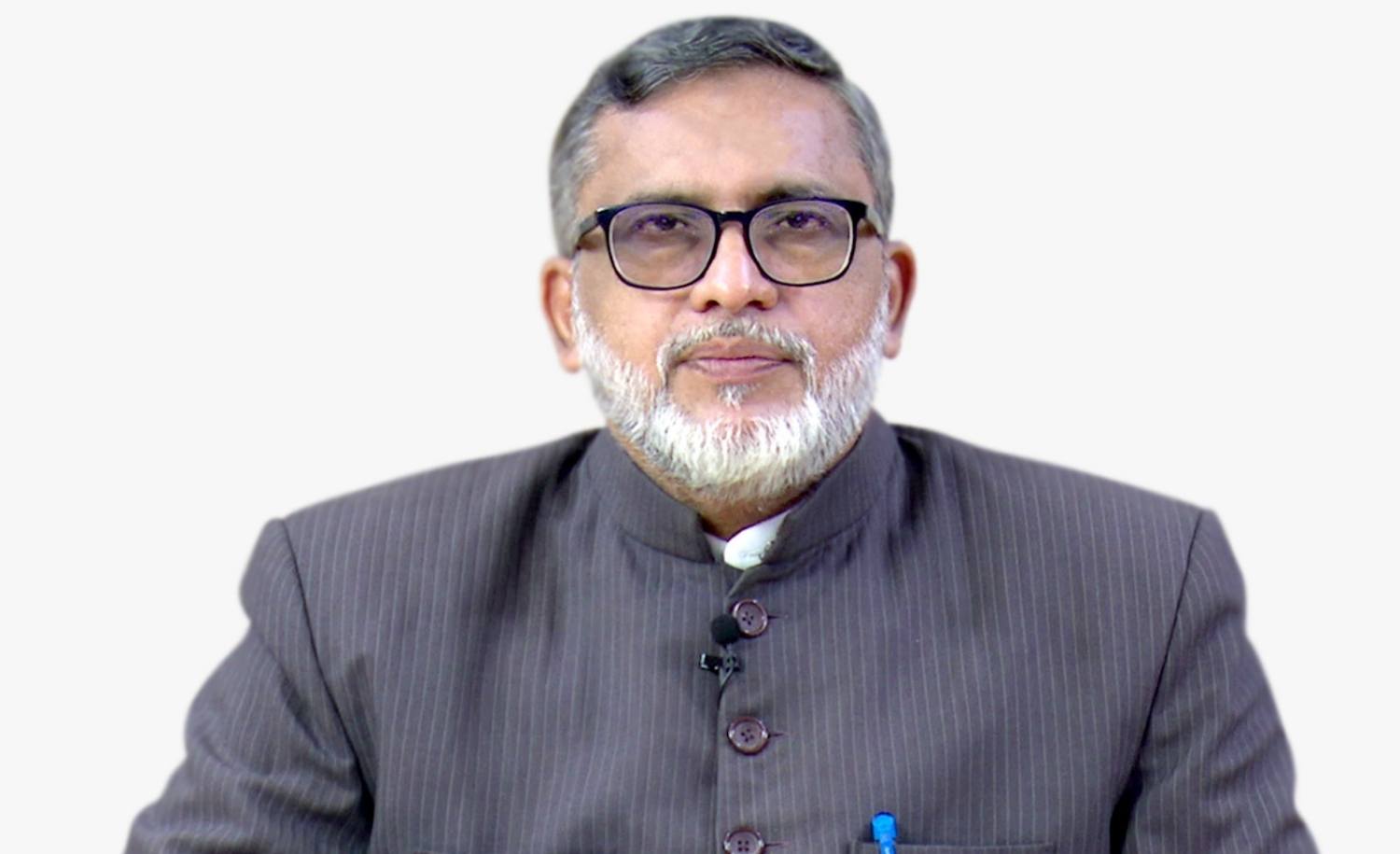

NEW DELHI: Jamaat-e-Islami Hind (JIH) Vice-President Malik Moatasim Khan has expressed strong concern over the manner in which the Women’s Reservation Bill is being pursued in conjunction with delimitation and other proposed legislative measures, stating that while women’s reservation is a long-standing and legitimate demand, its current framing raises serious questions regarding intent, inclusivity, and democratic integrity.
In a statement to the media, the JIH Vice President said, “Jamaat-e-Islami Hind fully supports women’s reservation in Parliament as an important step towards inclusive governance and greater participation of women in decision-making processes. However, this must be implemented from the 2029 elections within the existing strength of 543 Lok Sabha seats, without linking it to delimitation or any increase in seats. It is equally essential that a sub-quota is ensured within women’s reservation for Scheduled Castes, Scheduled Tribes, Other Backward Classes, and religious minorities so that the benefits of representation reach all sections of society and do not remain confined to socially and politically dominant groups. Without such inclusion, the objective of equitable representation will remain incomplete.”
Mr Khan stated, “The manner and timing in which these proposals have been brought forward raise serious concerns. Introducing such far-reaching changes during ongoing state elections and without adequate consultation creates the impression that the move is politically motivated rather than a genuine effort at reform. There is also a lack of clarity, where assurances are made publicly but are not clearly reflected in the legislative framework. Linking women’s reservation with delimitation introduces unnecessary delays and complications, whereas the reservation can be implemented immediately within the existing parliamentary structure. Such linkage raises concerns about priorities and intent, and risks turning an important social reform into a subject of political manoeuvring.”
The JIH leader pointed out, “The proposed delimitation process itself raises serious structural concerns. Delimitation based solely on population has the potential to disturb the federal balance of the country by disproportionately shifting political power and creating regional imbalances, particularly between different parts of the country. Such an exercise must not be rushed and should only proceed after broad national consensus involving all states, political stakeholders, and civil society. Equally concerning is the possibility of gerrymandering, as seen in recent exercises in states such as Assam and Jammu & Kashmir, where constituency boundaries have reportedly been altered in ways that affect the representation of certain communities and weaken democratic fairness. The selective application of reservation in constituencies and the distortion of representation further compound these concerns.”
Mr Khan further said, “Another important issue is the weakening of institutional safeguards in the proposed framework. The composition of the delimitation commission, absence of adequate checks and balances, and lack of effective judicial review risk concentrating excessive discretionary powers without accountability. Such a situation can have long-term consequences for the democratic structure of the country. It is essential that the entire process remains transparent, consultative, and subject to constitutional safeguards, including mechanisms for grievance redressal and judicial oversight, so that public trust in democratic institutions is preserved.
While women’s reservation is a necessary and welcome reform, it should not be politicised or embedded within broader structural changes that may undermine democratic principles. We reiterate that genuine empowerment must be accompanied by inclusivity, fairness, and institutional integrity.
Now, as the Constitution (131st Amendment) Bill has been defeated in the Lok Sabha, Jamaat-e-Islami Hind calls upon the government to delink women’s reservation from delimitation, implement it within the existing framework with appropriate sub-quotas, and ensure that any electoral restructuring is carried out only after through a transparent, consultative, and constitutionally sound process that safeguards the rights and representation of all sections of society.”