
Gaza’s Displaced Face Harsh Winter as Shelters Crumble Under Repeated Evacuations
Severe material shortages, funding gaps, and constant relocations leave nearly two million Palestinians vulnerable to winter rains and flooding.
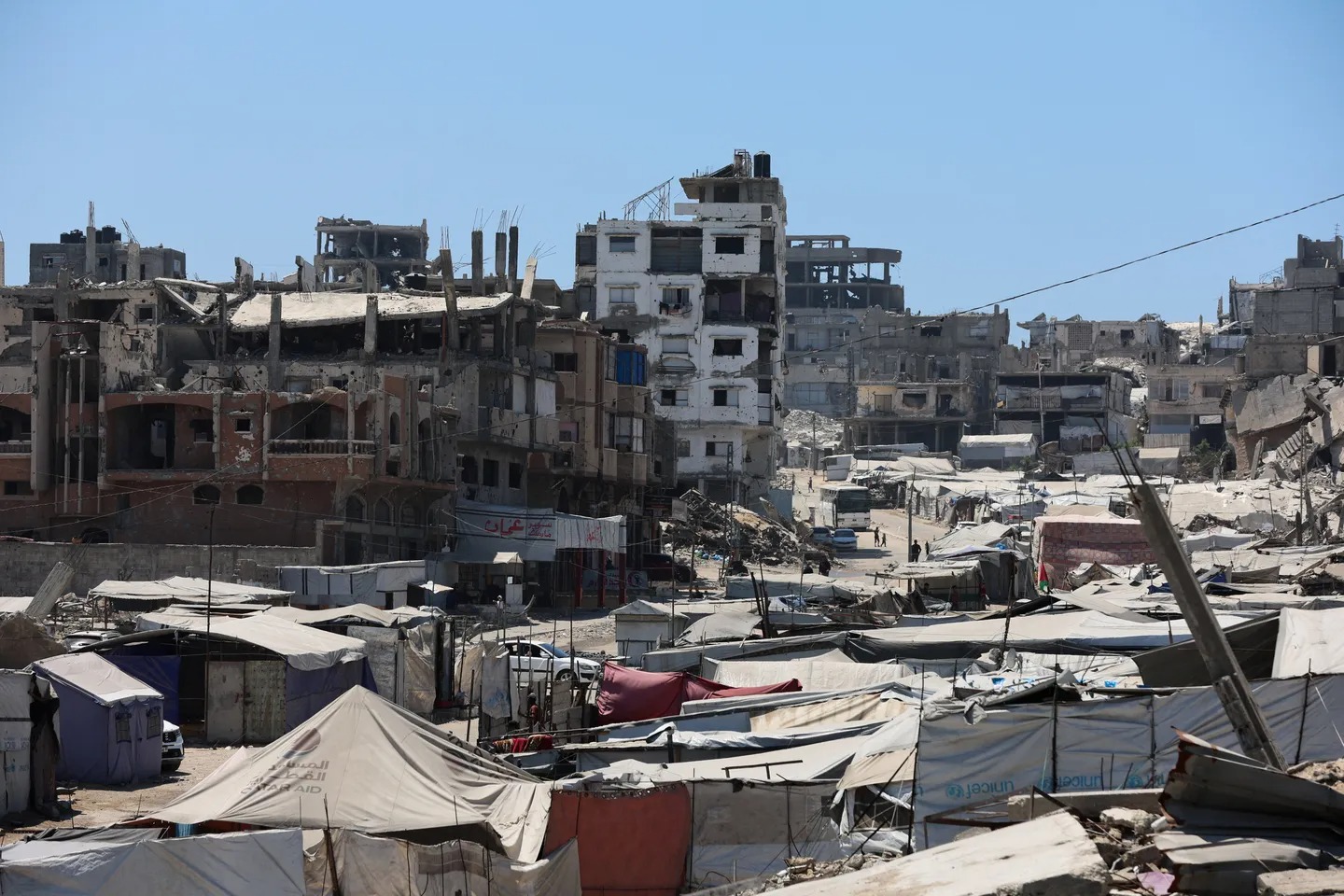

Repeated displacements across the Gaza Strip have severely degraded living conditions, leaving makeshift shelters in ruins just as winter weather arrives, according to the United Nations migration agency.
Karl Baker, the regional crisis coordinator for the Gaza response at the International Organization for Migration (IOM), warned that frequent evacuations have taken a devastating physical toll on temporary camps. Many Palestinian families have been forced to relocate as many as eight times. With each forced move, flimsy tents and basic supplies are either abandoned, damaged, or entirely destroyed.
Standard shelter supplies, such as plastic tarpaulins, typically wear out and require replacement every six months. However, relief agencies face steep hurdles in delivering these basic items at the scale needed to protect the population.
Baker emphasized that humanitarian groups urgently need to transition from fragile emergency tents to more durable, transitional housing. Upgrading these shelters requires sturdier roofing, solid walls, and raised concrete flooring to prevent water damage. Despite ongoing discussions between the IOM and Israeli authorities, many of these essential building supplies remain blocked under Israeli “dual-use” security restrictions.
Compounding the crisis are international shipping delays—affecting shipments sourced from countries such as China, India, and Pakistan—alongside significant funding shortfalls. While some financial aid has come through, the agency notes it is nowhere near enough to support the estimated 1.8 to 1.9 million people in desperate need of shelter assistance.
Severe territorial constraints have further worsened living conditions. Only about 30 percent of the Gaza Strip is currently accessible to the vast majority of the population, effectively turning a narrow corridor of land into an overcrowded displacement zone.
Many families are clustered in low-lying, flood-prone areas where early winter rains have already begun to pool. Although relief teams are attempting to install water pumps and secure vulnerable drainage sites, aid officials caution that keeping millions warm and dry over the coming months remains their most critical challenge.
Recent assessments by the IOM show that current and incoming emergency supplies cover merely 17 percent of Gaza’s winter shelter requirements, with more than half of the existing makeshift camps already classified in poor or unlivable condition. Despite an active ceasefire, restrictions on commercial and humanitarian entry continue to choke off the supplies necessary to avert a broader cold-weather catastrophe.
Source: TRT World / Reuters / UN News