
Eleven Percent of Waqf Property Applications Rejected on UMEED Portal as Uttar Pradesh Tops List
More than 88,000 waqf property registration applications have been rejected, prompting concerns over transparency and the future of disputed properties.

More than a year after the launch of the UMEED portal to create a nationwide digital record of waqf properties, over 88,000 registration applications have been rejected, raising questions about the status of thousands of properties across the country.
According to data available on the portal, 7,95,784 waqf properties were submitted for registration. Of these, 5,87,804 applications have been approved, while 88,571 applications, representing 11 percent of the total, were rejected after scrutiny.
Uttar Pradesh recorded the highest number of rejected applications with 31,783 cases, making up nearly 36 percent of all rejections nationwide. West Bengal followed with 14,134 rejected applications, while Rajasthan recorded 12,080 rejections.
When measured by rejection rate, Rajasthan ranked highest, with 37 percent of applications rejected. Tamil Nadu followed with a rejection rate of 26 percent, while Uttar Pradesh recorded a rate of 22.23 percent. In Uttarakhand, 455 out of 2,468 applications were rejected.
In Uttar Pradesh alone, 29,724 applications submitted to the Sunni Waqf Board were rejected out of 1.52 lakh submissions. The Shia Waqf Board also saw 2,059 rejections from 8,171 applications.
The UMEED, or Unified Waqf Management, Empowerment, Efficiency and Development, portal was launched on June 6, 2025, to create a centralised digital inventory of geo tagged waqf properties. Although all registered properties were initially required to be uploaded within six months, the deadline was later extended after the Union government said there would be no penalty for delays.
The registration process involves three stages. The mutawalli, or caretaker, submits the application, which is then verified by a district or waqf board official before receiving final approval from a senior waqf board official.
Officials from the Ministry of Minority Affairs said the variation in rejection rates across states was largely due to differences in the quality of land records, the level of awareness among caretakers, and the number of waqf properties in each state. They said states with better land records and greater awareness generally recorded higher approval rates.
India has around 8.8 lakh waqf properties. Uttar Pradesh has the highest number with about 2.4 lakh Sunni and Shia waqf properties, followed by West Bengal, Punjab, Tamil Nadu and Karnataka.
Congress MPs Dr Mohammad Jawed and Syed Naseer Hussain criticised the high number of rejections, saying the process has raised serious concerns about transparency, due process and the future of many long recognised waqf properties.
The MPs said applicants should be informed of the reasons for rejection and given sufficient time to correct documentation before their applications are denied. They also highlighted the importance of waqf properties in supporting mosques, graveyards, madrasas, orphanages, educational institutions and welfare activities.
They urged the Ministry of Minority Affairs to establish a transparent grievance redressal system to review rejected applications, explain the grounds for rejection and allow applicants to address any deficiencies.
The UMEED portal has previously faced criticism over technical problems, with users reporting repeated crashes and slow performance that affected the submission of property records before the registration deadline. Several Muslim organisations and opposition leaders, including Samajwadi Party president Akhilesh Yadav, had called on the Centre to resolve the issues and extend the deadline.
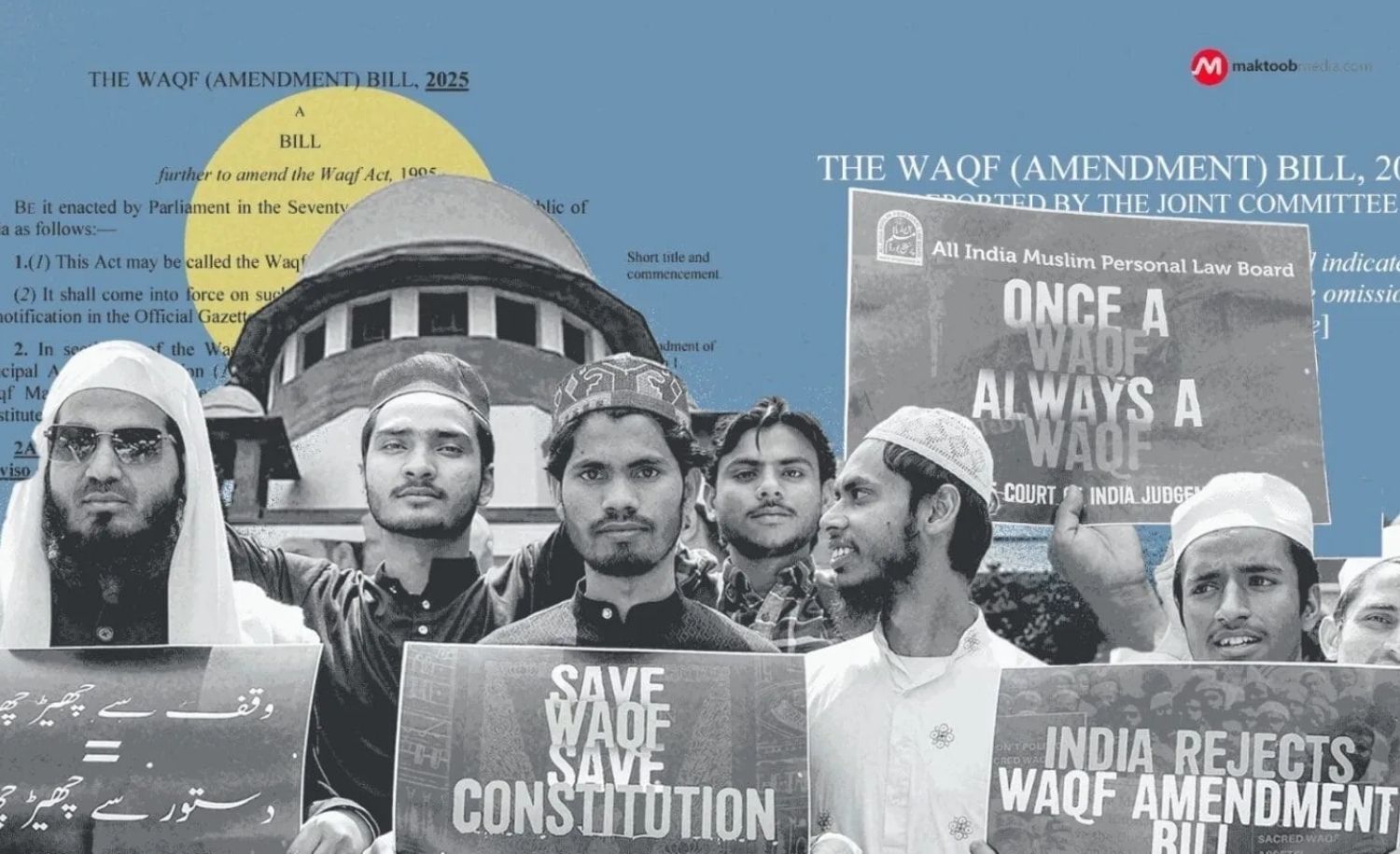
The portal was introduced under the Waqf Amendment Act, 2025, which aims to create a centralised digital database of waqf properties. However, the legislation has faced criticism from Muslim organisations, opposition parties and legal experts, who argue that it increases government oversight and weakens the autonomy of waqf institutions.