
Election Commission Row Reaches Supreme Court, Hearing on CEC Gyanesh Kumar Plea Next Week
Petition alleges unilateral decision making by the CEC and challenges aspects of the SIR process and voter registration changes
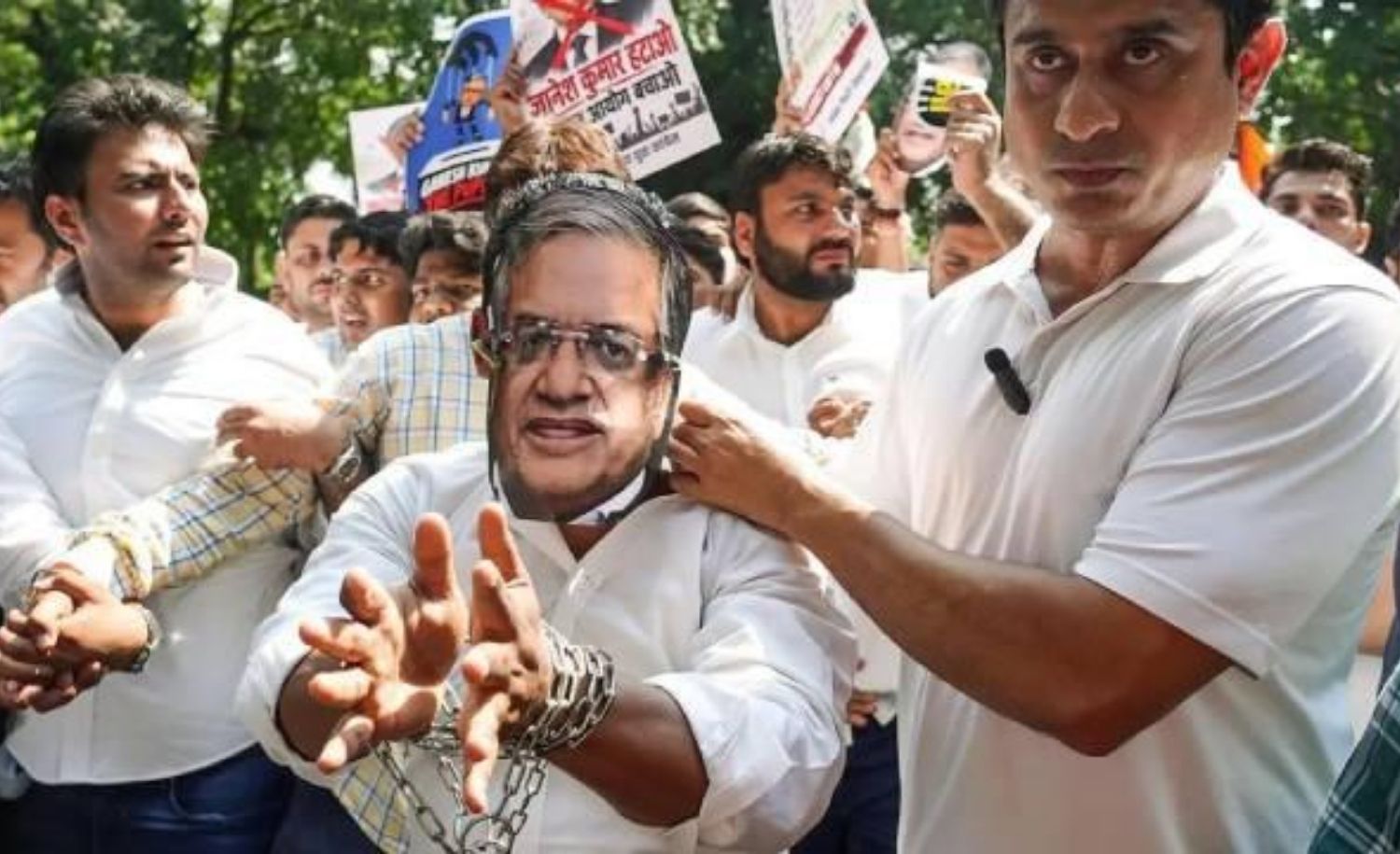

New Delhi: The controversy surrounding the functioning of the Election Commission of India has reached the Supreme Court, which has agreed to hear next week a petition questioning the manner in which Chief Election Commissioner Gyanesh Kumar exercised powers vested in the poll panel.
The petition was filed under Article 32 of the Constitution by Rakesh Kumar Singh. Senior advocate Vikas Singh sought an early listing of the matter before a bench headed by Chief Justice of India Surya Kant. The Court agreed to list the petition for hearing next week.
The petition argues that powers vested in the Election Commission under Article 324 are required to be exercised by the multi member Commission rather than by the Chief Election Commissioner individually. It also refers to Section 18 of the Chief Election Commissioner and Other Election Commissioners Act, 2023, concerning the manner in which decisions of the Commission are to be taken.
The plea comes amid reports that Election Commissioners Sukhbir Singh Sandhu and Vivek Joshi recorded objections on at least 14 occasions over a period of about 10 months regarding decisions and processes within the Commission. The reported objections concerned electoral roll management, voter registration, access to electoral databases and changes to Form 6.
One of the reported disputes relates to changes made to Form 6, which is used for registration of new voters. According to an Indian Express investigation, the revised online form included questions about whether the applicant, their parents or grandparents had appeared in an earlier electoral roll prepared during a previous Special Intensive Revision. The two Election Commissioners reportedly raised objections to the changes, with concerns over their legal basis and their impact on first time voters.
The petition also raises questions about the Special Intensive Revision of electoral rolls, as well as the centralisation of electoral database access and certain decisions relating to voter registration and appeals.
The petitioner has sought several directions from the Supreme Court, including scrutiny of the records and decisions of the Election Commission. The plea also seeks action against the Chief Election Commissioner and challenges the legal validity of decisions allegedly taken without collective approval.
The Election Commission, however, has rejected the suggestion that its functioning has been paralysed by internal disagreements. Commission officials have maintained that decisions, including those relating to the SIR exercise, had the approval of all three Election Commissioners and that differences expressed during internal deliberations do not invalidate the Commission’s decisions.
The Supreme Court’s upcoming hearing is expected to examine the legal questions raised by the petition. The Court has not yet ruled on the allegations against the Chief Election Commissioner or on the validity of the SIR related decisions.