
Doctor’s Prescription Now Mandatory for Buying Cough Syrups Across the Country
Government tightens drug regulations after tragic child deaths linked to contaminated cough syrups.
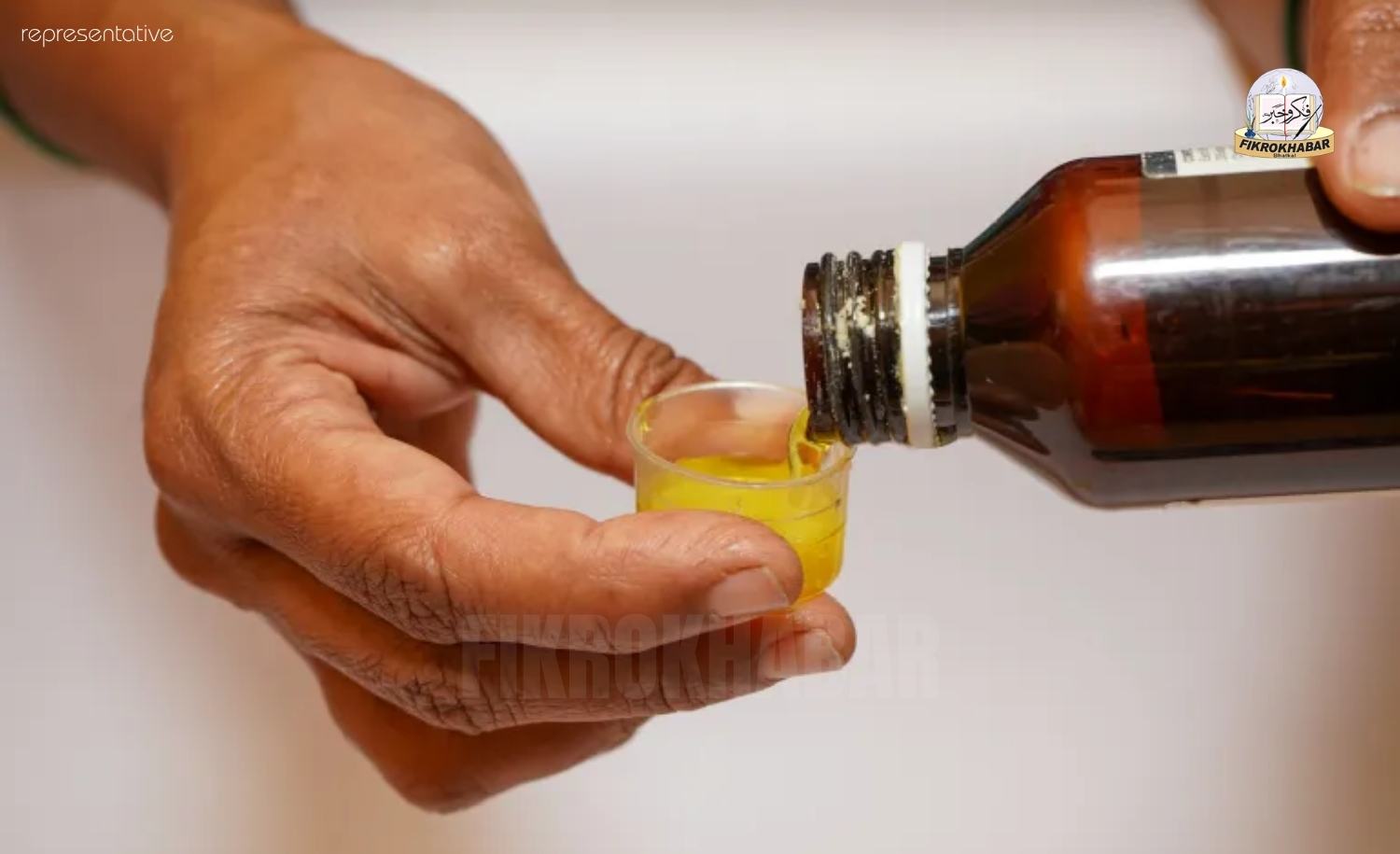

In a major move aimed at protecting public health, the central government has announced that cough syrups and all other orally administered liquid medicines can no longer be sold without a doctor’s written prescription.
The nationwide notification was issued by the Ministry of Health and Family Welfare on Tuesday following a series of tragic incidents last year in which several children died after consuming contaminated cough syrups. The new rule effectively ends the practice of purchasing such medicines over the counter without medical consultation.
The decision has been implemented through an amendment to the Drugs Rules, 1945, officially titled the Drugs (Fifth Amendment) Rules, 2026. The amendment was notified in the Official Gazette on June 9 and removes all types of syrups from the list of medicines exempted under Schedule K.
Until now, medicines listed under Schedule K enjoyed certain exemptions from strict pharmacy and sales regulations. Authorities believe that these exemptions were being misused, allowing substandard and potentially dangerous medicines to enter the market.
The regulation follows a series of alarming incidents reported last October in the states of Madhya Pradesh and Rajasthan. Several children suffered sudden kidney failure and lost their lives after consuming cough syrups available in the market.
Subsequent investigations by the Directorate General of Health Services and medical experts revealed that the syrups contained dangerously high levels of Diethylene Glycol, a toxic chemical. Laboratory tests reportedly found concentrations exceeding 48 percent, while internationally accepted safety standards permit only trace amounts of up to 0.1 percent.
The findings sparked widespread public concern and criticism, particularly regarding the safety of medicines consumed by children. In response, the government consulted the Drugs Technical Advisory Board and reviewed expert recommendations, public feedback, and objections before approving the new regulations.
According to the notification, the rules came into effect immediately upon publication in the Gazette. Medical store owners, distributors, and manufacturers found violating the new requirements may face strict legal action.
Health experts and public health advocates have welcomed the decision, calling it an important step toward preventing future tragedies. However, they have also urged authorities to ensure that people living in remote rural areas and underserved communities are not deprived of access to essential medicines due to limited availability of doctors.
Experts stress that strengthening drug quality monitoring systems and ensuring affordable healthcare access for low income families remain critical to preventing similar incidents in the future.
The government has also directed drug controllers across all states to intensify inspections of medical stores and verify medicine stocks under enhanced monitoring measures.