
Delhi Police Transfers Jantar Mantar Case Against CJP Leaders to Crime Branch
Ashutosh Ranka and Saurav Das receive a two day extension of judicial custody as party leaders and opposition figures question the proceedings.
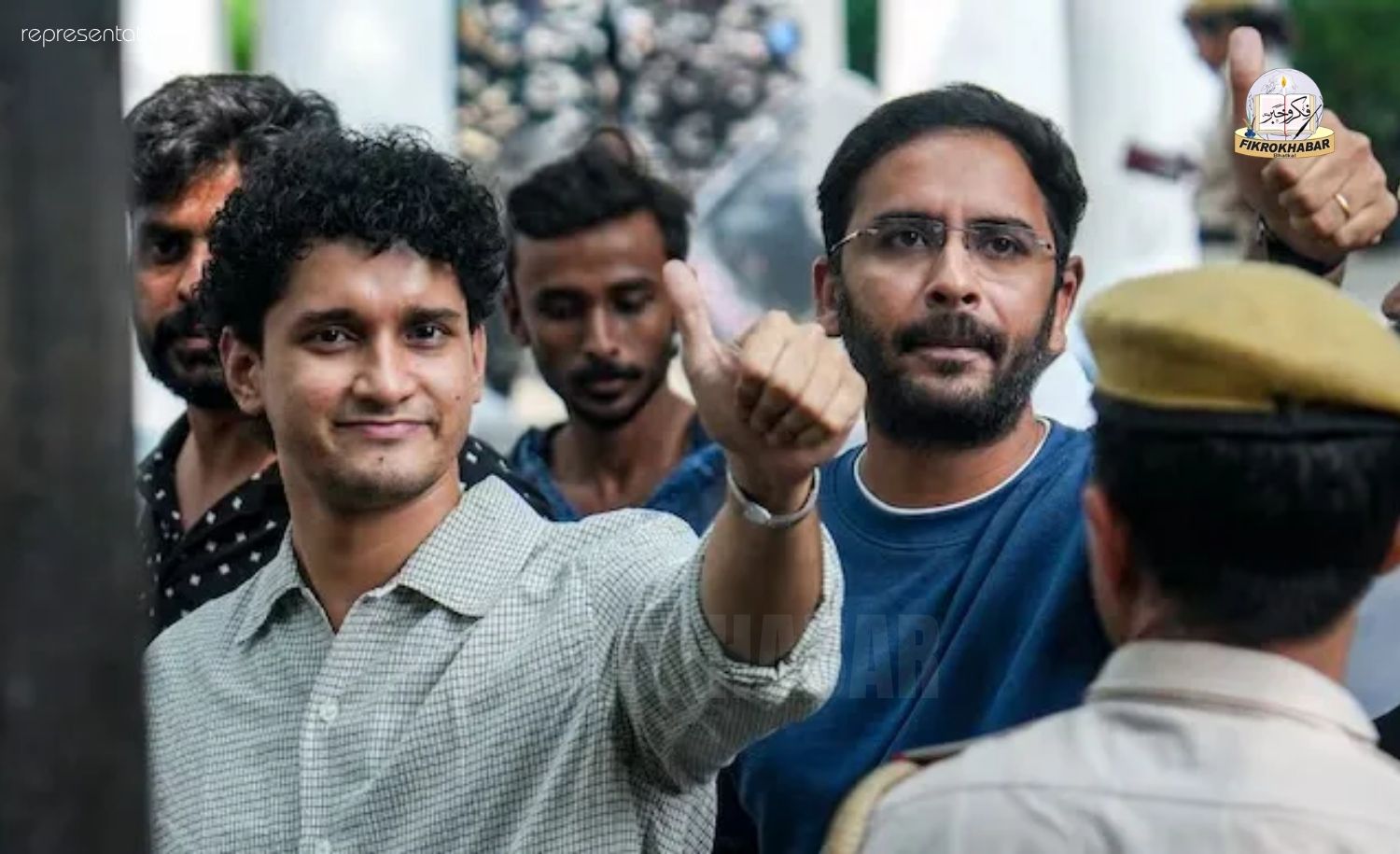

New Delhi: The Delhi Police have transferred the trespassing case against Cockroach Janata Party (CJP) co convenors Ashutosh Ranka and Saurav Das to the Crime Branch’s Inter State Cell for further investigation. The move came shortly after a Special Executive Magistrate extended their judicial custody by two days on Monday.
Ranka and Das were arrested last week over allegations that they entered the Jantar Mantar area through private premises after the site had been withdrawn as a designated protest venue. Police alleged that the protesters raised slogans against Chief Election Commissioner Gyanesh Kumar, unfurled the national flag and obstructed officials from performing their duties.
Their associate, Ajinkya Shinde, was released on a personal bond and a surety of Rs 5,000, with instructions to maintain peace and good behaviour for six months. Ranka and Das, meanwhile, were remanded to custody for another two days after their sureties were rejected.
CJP founder Abhijeet Dipke questioned the continued detention of the two leaders, saying their first offence was allegedly waving the national flag at Jantar Mantar and refusing to back down. He praised them for maintaining their morale despite spending several days in jail.
CJP legal head Ratna Singh also criticised the proceedings, describing them as an attempt to suppress dissent. The party said it would challenge the custody order before higher judicial forums and questioned the rejection of the leaders’ sureties.
Trinamool Congress MP Saket Gokhale also raised concerns over the legal basis of the detention. In a post on X, he questioned the role of a Special Executive Magistrate, whom he described as an Assistant Commissioner of Police rank officer, in extending the leaders’ custody.
Gokhale alleged that the arrangement raised concerns about the police exercising authority in proceedings involving individuals arrested by the same force. He also claimed that there was no FIR against the two leaders and questioned the legal grounds for their continued detention.
The case has triggered a wider debate over the treatment of protesters, the use of executive magistrate powers and the legal safeguards available to people detained during demonstrations.