
All India Muslim Personal Law Board Opposes Uttarakhand Madrasa Bill, Call It Unconstitutional
Joint statement warns of legal challenge, says proposed law violates minority rights under the Constitution
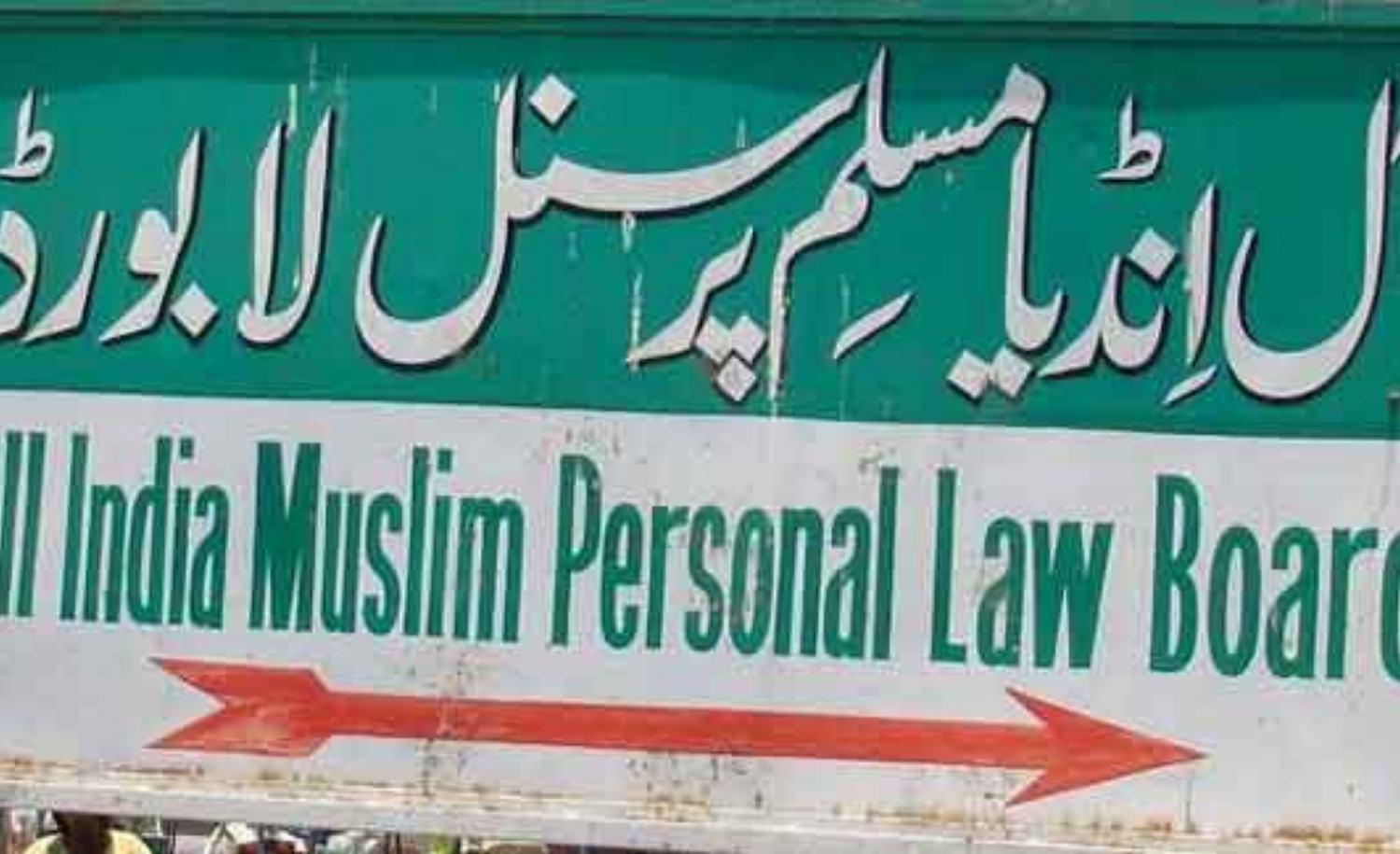

Prominent Muslim organisations and religious leaders have strongly opposed the Uttarakhand government’s proposed madrasa bill, describing it as unconstitutional and against the fundamental rights guaranteed in India.
In a joint statement issued in New Delhi on April 27, leaders from the All India Muslim Personal Law Board, Jamiat Ulama-i-Hind, and Jamaat-e-Islami Hind, along with other groups, rejected the bill outright. They stated that the Constitution of India guarantees religious freedom under Articles 25 and 26, while Article 30 gives minorities the full right to establish and manage their own educational institutions.
The leaders expressed concern that the proposed law would make it mandatory for madrasas to register with a government education board. They argued that this would lead to direct interference in their internal affairs. They also objected to provisions allowing authorities to control what religious subjects can be taught and to impose a government approved curriculum.
According to the statement, such measures go against the spirit of a secular state and could undermine the religious identity of the Muslim community. The leaders described the move as part of a broader pattern of policies that target minority rights.
The statement highlighted the historical role of madrasas in India, noting their contribution from the freedom struggle to nation building. It emphasized that protecting their autonomy is a collective responsibility.
The issue is currently being heard in the Uttarakhand High Court. The leaders made it clear that if required, they will approach the Supreme Court of India to defend constitutional rights.
Among the signatories were Maulana Khalid Saifullah Rahmani, Syed Sadatullah Husaini, Maulana Arshad Madani, Maulana Mahmood Asad Madani, Maulana Obaidullah Khan Azmi, Maulana Fazlur Rahim Mujaddidi, Maulana Bilal Abdul Hai Hasani Nadvi, and Asghar Ali Imam Mehdi Salafi. All leaders reaffirmed their commitment to protecting madrasa autonomy and said the community would remain united in this legal and constitutional struggle.