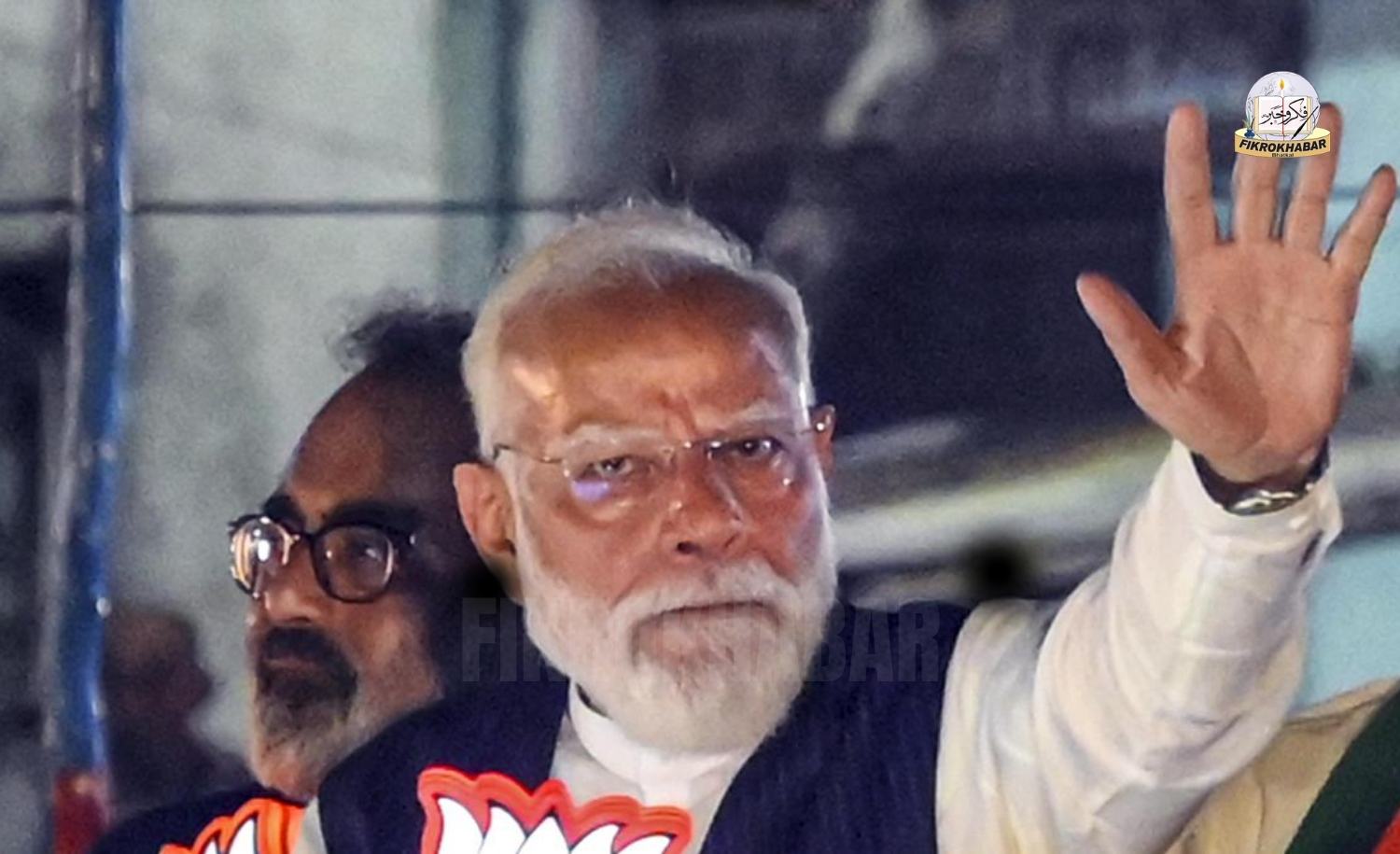
Yogi Adityanath Links Halal Product Sales to ‘Love Jihad’ and Terror Funding, Sparking Controversy
UP Chief Minister claims profits from halal-certified goods fund terrorism and religious conversions, defending state ban on halal products.
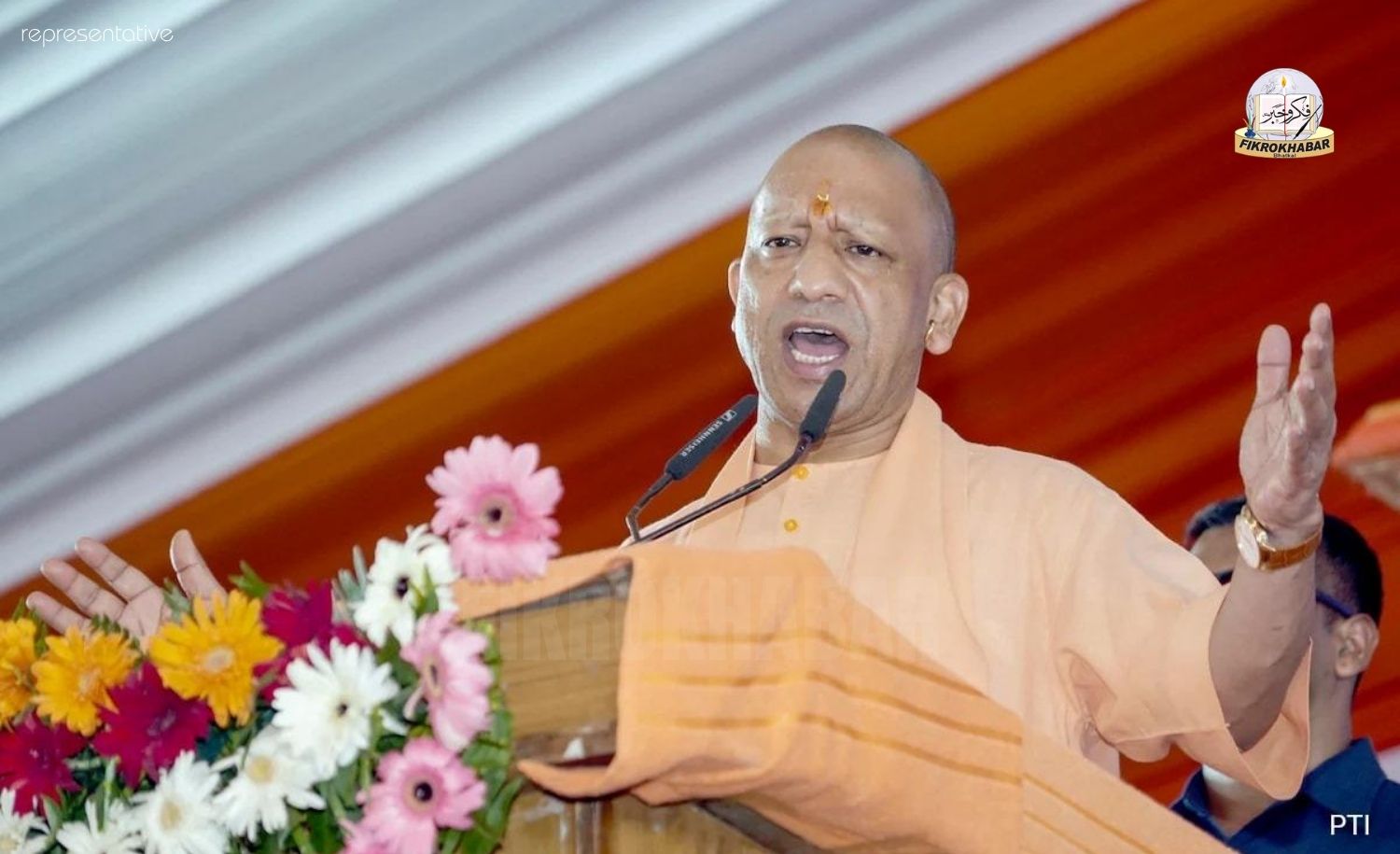

Uttar Pradesh Chief Minister Yogi Adityanath has stirred controversy by alleging that profits generated from the sale of halal-certified products are being used to finance terrorism, ‘love jihad,’ and religious conversions in India. Speaking at an event marking the centenary of the Rashtriya Swayamsevak Sangh (RSS) on Tuesday, Yogi claimed that the halal market in India involves transactions worth around ₹25,000 crore.
The term ‘halal,’ which means ‘permissible’ in Arabic, primarily refers to food products that comply with Islamic dietary laws. However, the BJP leader linked the sale of these certified goods to a political narrative of ‘love jihad’ a term used by some Hindutva groups alleging that Muslim men lure Hindu women into relationships to convert them to Islam. Notably, the Ministry of Home Affairs has informed Parliament that ‘love jihad’ has no legal definition under Indian law.
In November 2023, the Uttar Pradesh government banned the sale, production, storage, and distribution of halal-certified food products. On Tuesday, Yogi Adityanath defended this decision, alleging that even clothing and soap products were being sold under halal certification in the state, though no official agency has authorized such certifications. He warned that action would be taken against those exploiting consumers under the guise of halal certification.
Following UP’s ban, several petitions were filed in the Supreme Court, including by Halal India Private Limited and Jamiat Ulama-e-Hind’s Halal Trust, challenging the constitutional validity of the government’s notification. In January, the state government argued in court that halal certification agencies were charging exorbitant fees, with the total market potentially worth several lakh crore rupees. Solicitor General Tushar Mehta, representing Uttar Pradesh, remarked in court, “No one objects to halal meat. But you would be surprised— even cement, iron rods, and bottled water are being labeled halal!”
Responding to these claims, legal counsel for the petitioners stated that the central government’s policy provides detailed guidelines for halal certification applicable to various products beyond meat. While some countries have formal legal frameworks for halal food certification, others rely on private organizations issuing these certificates. In India, no government authority officially grants halal certification; instead, private groups and religious organizations provide them.
Many food manufacturers seek halal certification primarily for export purposes, as it is legally required in many Muslim-majority countries. However, research by Scroll.in found that many such products often enter the domestic market to avoid additional packaging costs. For vegetarian products, the ingredients and production lines are often the same whether certified halal or not.