US Tariffs Threaten Tamil Nadu’s Export Industries, CM Stalin Warns PM Modi
Chief Minister flags massive order cancellations, job losses, and a deepening crisis in textile, leather, and footwear sectors.
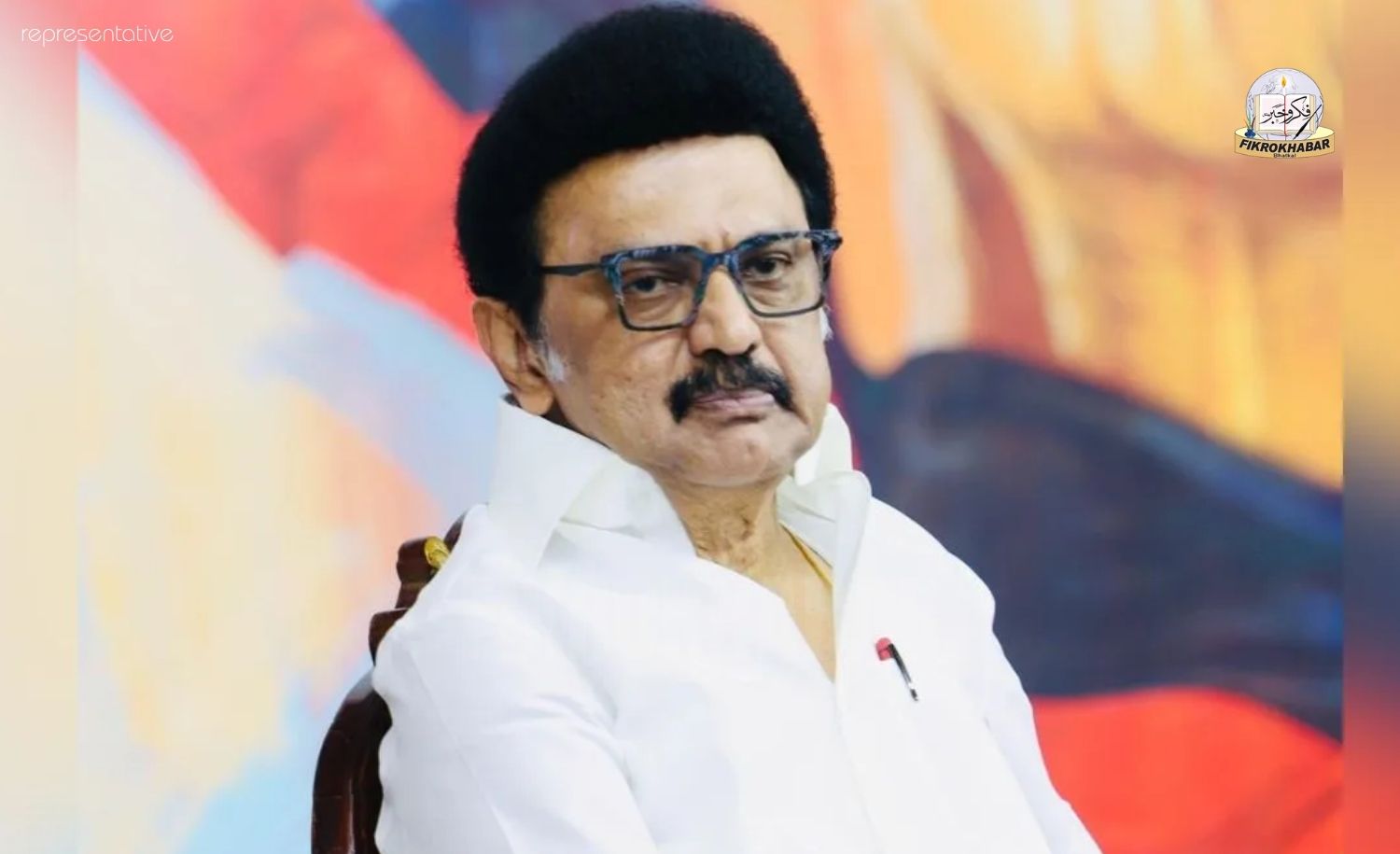

Tamil Nadu Chief Minister M K Stalin has written to Prime Minister Narendra Modi, warning that steep tariffs imposed by the United States on Indian exports are pushing some of the state’s most employment-intensive industries into a severe crisis, with potential consequences for the national economy.
In his letter, Stalin said the sharp increase in tariffs has led to a sudden fall in export orders, including large-scale cancellations, resulting in financial losses running into thousands of crores of rupees. He described the 50 per cent tariffs as “punitive” and said they are causing serious harm to key sectors such as textiles, apparel, leather, and footwear.
These industries, he noted, form the backbone of India’s export manufacturing ecosystem and provide livelihoods to millions of workers. Tamil Nadu alone accounts for about 28 per cent of India’s textile and apparel exports, employing nearly 75 lakh people. The state also contributes around 40 per cent of the country’s leather and footwear exports, supporting over 10 lakh jobs.
Highlighting the situation in Tiruppur, known as the Knitwear Capital of India, Stalin said exporters have reported confirmed order losses worth nearly ₹15,000 crore. Production has been cut by up to 30 per cent across many units, while new orders are declining rapidly. According to him, exporters in Tiruppur, Coimbatore, Erode, and Karur are collectively facing daily revenue losses of around ₹60 crore, pushing several small and medium enterprises to the brink of collapse. A similar situation is unfolding in footwear hubs such as Vellore, Ranipet, and Tirupatthur.
The Chief Minister said exporters are being forced to offer steep discounts just to retain overseas buyers, which is squeezing profit margins and weakening long-term competitiveness. He warned that the impact is already being felt on the ground, with layoffs, delayed wages, and growing uncertainty affecting workers and their families.
Stalin also expressed concern that international buyers are increasingly shifting orders to countries like Vietnam, Bangladesh, and Cambodia, which currently enjoy a tariff advantage. Once these markets are lost, he said, it would be extremely difficult to win them back due to entrenched global supply chains.
Calling the situation not just an economic challenge but a looming humanitarian issue, Stalin cautioned that the long-term impact could severely affect employment prospects, particularly for young people and women who form a large part of the workforce in these sectors.