UN Body Calls Umar Khalid’s Detention ‘Arbitrary’, Seeks Immediate Release
UN experts say activist’s imprisonment violates fundamental rights, urge India to grant compensation.
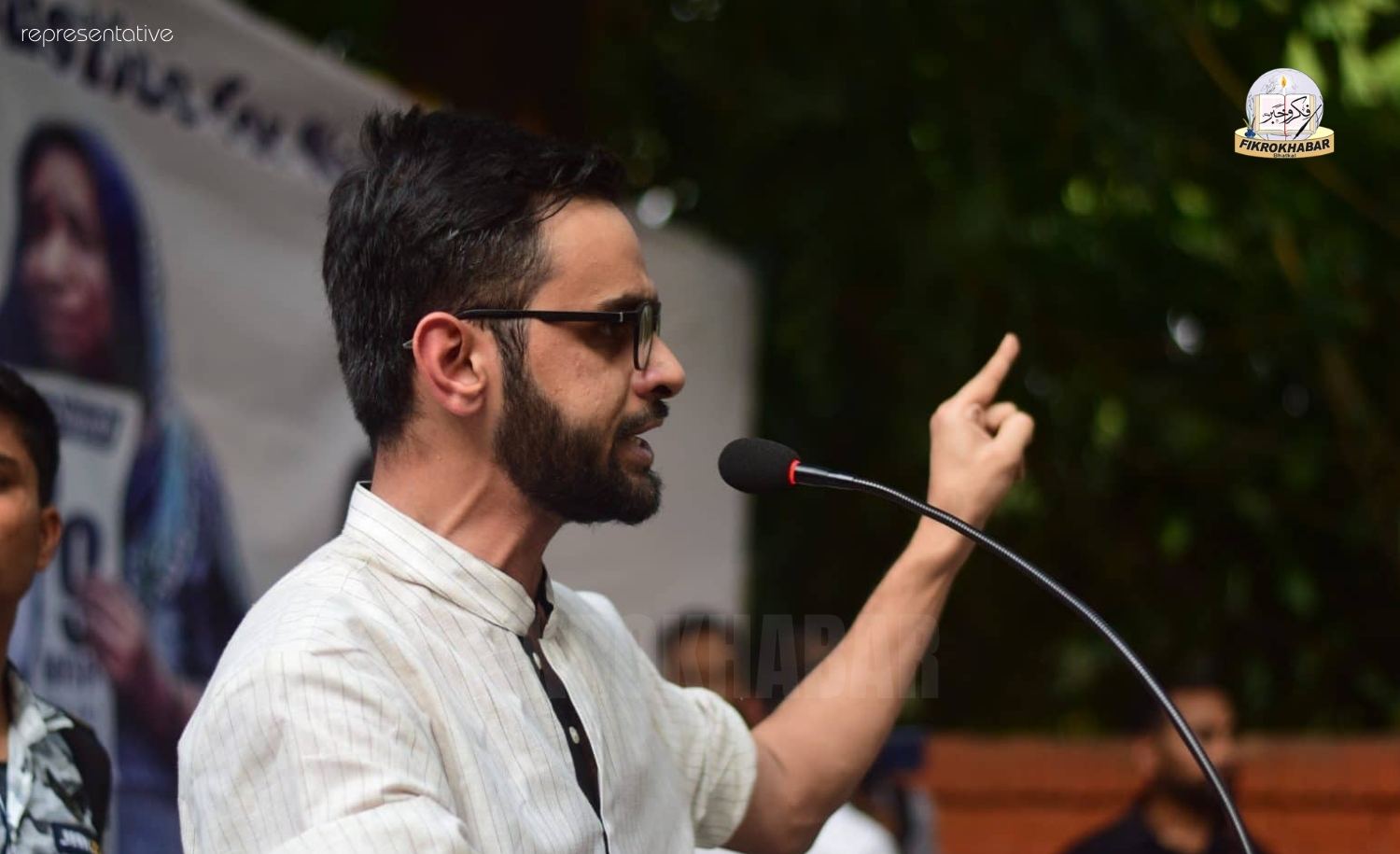

New Delhi: The United Nations Working Group on Arbitrary Detention (UNWGAD) has stated that the continued imprisonment of activist Umar Khalid is “arbitrary” and lacks any legal basis under international law.
After spending more than five years in jail, Khalid’s detention has been classified by the UN body under multiple categories of arbitrary detention. The UNWGAD noted that his loss of liberty is linked to his exercise of fundamental rights, including freedom of expression, peaceful assembly, association, and participation in public affairs.
Khalid was arrested in 2020 during nationwide protests against the Citizenship Amendment Act, a controversial law that critics argue discriminates against Muslims by excluding them from a fast-track citizenship process. Since his arrest, he has remained in prison, with his bail applications repeatedly rejected. Notably, even after more than five years, his trial has not yet begun.
The UN experts emphasized that the activities Khalid was involved in are protected under international human rights law. They have called on the Indian government to release him immediately and provide compensation along with other legal remedies.
The case was brought before the UNWGAD by the Human Rights Foundation (HRF), which filed a petition in March 2025. The organization argued that Khalid’s detention is baseless, discriminatory, and a consequence of his peaceful activism.
According to HRF, the case involves serious violations of fair trial standards, including the use of vague legal provisions and prolonged pretrial detention. The UN body had formally communicated these concerns to the Indian government, but no response was received.
Commenting on the development, HRF Legal and Research Officer Hannah Van Dijcke said the UN opinion is significant, as it challenges the legitimacy of Khalid’s detention. She alleged that authorities created an appearance of legality through extensive documentation and multiple charges, despite lacking a lawful basis.
The UNWGAD’s findings add international attention to the case, raising concerns over human rights and due process in prolonged detentions.