The Birth of Israel and the Loss of Palestine


The birth of Israel and the accompanying loss experienced by Palestinians form a deeply intertwined story of displacement, struggle, and resilience that continues to shape the Middle East today.
Ancient Era and Pre-Israel Palestine
- Palestine has been home to various communities for millennia, with Palestinians having rich cultural roots deeply connected to the land.
- Over 2,000 years ago, the Jewish people were living in Palestine but faced oppression under the Roman Empire, which ultimately led to their exile and widespread diaspora.
Islamic Rule and Coexistence
- Palestine later came under the rule of the Islamic Caliphate, where Muslims became the majority population. Under Caliph Umar ibn al-Khattab’s leadership, Jews were permitted to return and live peacefully alongside Muslims and Christians, fostering centuries of coexistence.
Colonization and Rising Tensions
- The decline of the Ottoman Empire and the British Mandate period marked a turning point for Palestine, as external powers imposed new political frameworks.
- Zionist movements advocating for a Jewish homeland gained international support, increasing tensions with the Palestinian population, who faced growing displacement and loss of land.
The Nakba and Palestinian Displacement
- The establishment of the state of Israel in 1948 resulted in the Nakba, meaning catastrophe in Arabic, where hundreds of thousands of Palestinians were forcibly uprooted from their homes.
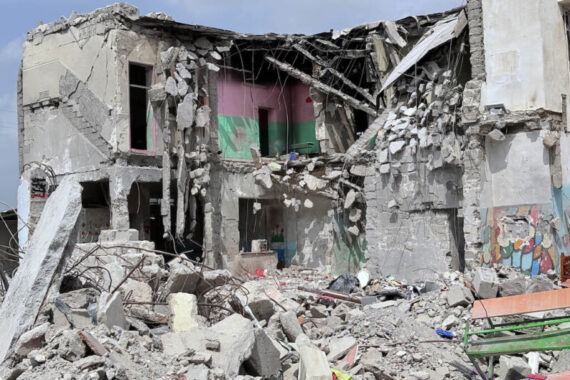
- Many Palestinian villages were destroyed or repurposed, creating a vast refugee crisis and a profound sense of loss among Palestinians whose ancestral lands were taken.
- This event is a cornerstone of Palestinian collective memory and a source of ongoing calls for justice and the right of return.
Continuing Struggles and Resilience
- Despite decades of occupation, restrictions, and conflict, Palestinians maintain a strong connection to their homeland and cultural identity.
- They continue to demand recognition, rights, and peaceful resolution to their plight, seeking international support for their cause.
Key Highlights
- Palestinians are the indigenous people with longstanding ties to Palestine, whose loss resonates deeply across generations.
- The birth of Israel, while fulfilling Jewish aspirations for statehood, involved significant displacement and upheaval for Palestinians.
- The Nakba remains a pivotal moment marked by mass displacement, denied return, and the ongoing struggle for homeland and rights.
Understanding this perspective is fundamental to any discussions on peace, justice, and the future of the region. It underscores the human impact behind political conflicts and stresses the importance of resolving Palestinian grievances for lasting peace.
The short URL of the present article is: https://english.fikrokhabar.com/4all