Sonia Gandhi Questions Government’s Silence on Reported Killing of Ali Khamenei
Congress leader calls for parliamentary debate, says silence undermines India’s foreign policy principles.
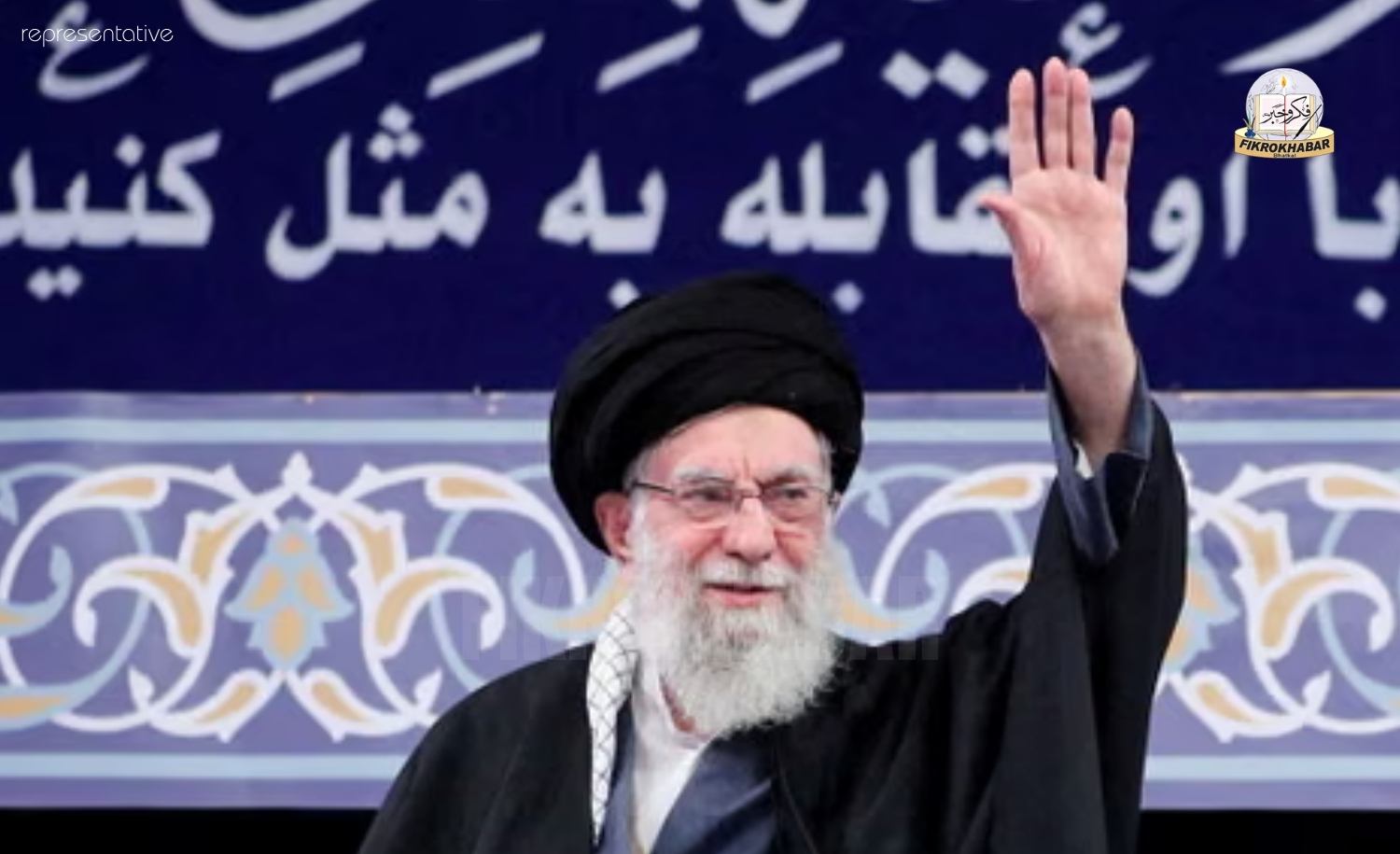

Congress Parliamentary Party Chairperson Sonia Gandhi has raised concerns over the Union government’s response to the reported killing of Iran’s Supreme Leader, Ayatollah Ali Khamenei, in alleged attacks by Israel and the United States. She has demanded a detailed discussion in Parliament on the issue.
In an opinion article published in a newspaper, Gandhi criticised what she described as the Modi government’s silence, saying it should not be mistaken for neutrality. According to her, such silence amounts to stepping back from responsibility and raises serious questions about the direction and credibility of India’s foreign policy.
She stated that India’s diplomatic approach has historically been guided by principles such as sovereign equality, non-interference, and peaceful resolution of conflicts. Remaining silent in the face of such developments, she argued, appears inconsistent with those long-standing principles.
Gandhi noted that on March 1, Iran confirmed that its Supreme Leader had been killed a day earlier in targeted strikes allegedly carried out by the United States and Israel. She described the incident as the killing of a sitting head of state during ongoing diplomatic negotiations, calling it a grave disruption in international relations. She urged the government to allow a comprehensive debate in Parliament.
The Congress leader further alleged that the Government of India neither clearly condemned the killing nor responded firmly to what she termed a violation of Iran’s sovereignty. She pointed out that Prime Minister Narendra Modi, in his initial reaction, criticised Iran’s retaliatory action against the United Arab Emirates without explicitly mentioning the US-Israeli strikes. In a later statement, the Prime Minister expressed general concern and called for dialogue and diplomacy, though negotiations had already been underway prior to the attacks.
Gandhi also argued that the killing of a head of state without a formal declaration of war and during a diplomatic process violates Article 2(4) of the United Nations Charter, which prohibits the use of force against the territorial integrity or political independence of any country. She warned that if the world’s largest democracy fails to register a principled objection to such actions, it could contribute to the erosion of international norms.
She further noted that Prime Minister Modi had returned from a visit to Israel just 48 hours before the incident, during which he reaffirmed support for the government of Benjamin Netanyahu. According to Gandhi, at a time when several countries of the Global South and some BRICS partners are distancing themselves, India’s position could send a troubling message internationally.