Sadqa-e-Fitr,: A Review of Its Wisdoms, Key Issues, and Social Importance

By: Atiqur Rahman Dangi Nadwi
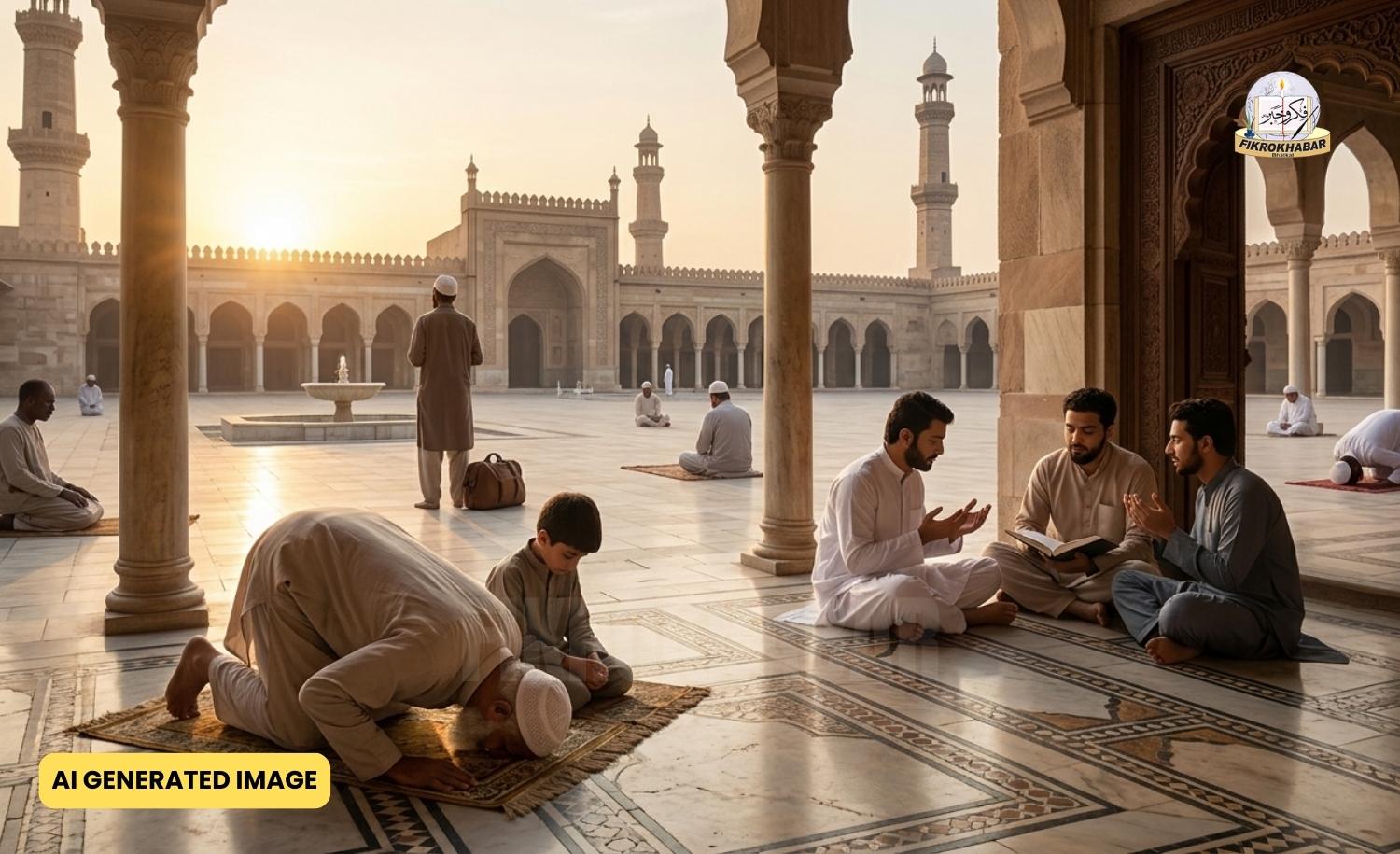
Sadqa-e-Fitr, or Fitrana, is one of those beautiful acts in Islam that comes at the very end of Ramadan. It’s given by every Muslim who has enough beyond their basic needs for Eid day and night. And it’s not just for ourselves we give it on behalf of those we care for too, like our wife and children. In a simple way, it reminds us that our lives aren’t just about “me,” but also about the people around us.
But Fitrana is much more than just giving something it carries a feeling. Islam teaches us that happiness should be shared. Eid is not meant to be enjoyed by only a few; it’s meant to be felt by everyone. And honestly, it’s painful to think that while some of us are celebrating, wearing new clothes, and enjoying food, there are others who might be worrying about how they’ll even manage a meal. Sadqa-e-Fitr steps in right here—it makes sure that no one is left behind on Eid.
The Prophet ﷺ explained its beauty so simply. Ibn Abbas (may Allah be pleased with them) narrated that Sadqa-e-Fitr cleanses our fast from any careless or wrong words we may have fallen into, and at the same time, it provides food for those who are in need. And he taught us something important if it’s given before the Eid prayer, it’s accepted properly, but if delayed, it becomes just a normal charity.
Think about that for a moment through one small act, two things happen. Our own Ramadan gets completed and purified, and at the same time, someone else’s Eid becomes easier and happier. Because no matter how much we try, we all slip up during Ramadan in small ways. Fitrana gently covers those shortcomings. And on the other side, it brings relief to those who might otherwise feel left out.
The Prophet ﷺ also made it clear that this is for everyone young or old, man or woman—so that the whole community becomes part of this shared care. He instructed that it should be given before people leave for Eid prayer, so that by the time Eid begins, everyone has something.
In the Shafi‘i school, the amount is one sa‘, which today is roughly around 2 to 2.5 kilograms of food. Some scholars say slightly less, some slightly more but the idea is simple: give from what people actually eat. If rice is common in your area, then give rice. The goal is not just to “give,” but to give in a way that truly helps.
It can be given during Ramadan, but it becomes necessary once the moon of Eid is seen and it should be given before the Eid prayer. Timing matters, because this act is meant to prepare everyone for Eid, not come after it.
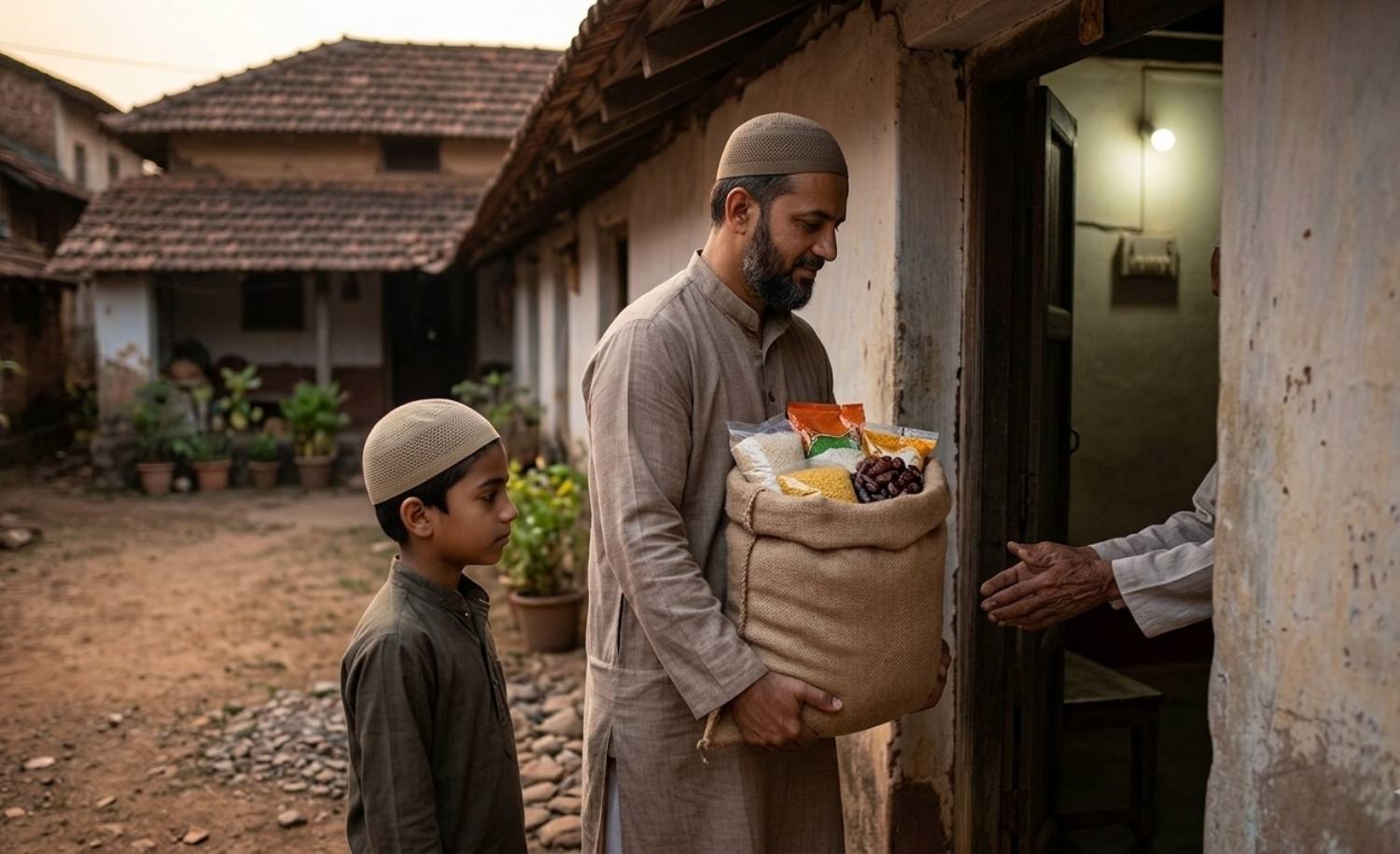
The people who receive it are the same as those eligible for Zakat—the poor and those in need. And in some places, like Bhatkal, you’ll find something really beautiful: people quietly working in the last days of Ramadan, identifying families who need help, and delivering food to their homes before Eid. Especially those who never ask, who stay silent out of self-respect—they are cared for in such a gentle and dignified way that no one even knows. This is the روح (spirit) of Islam.
At the end of the day, Sadqa-e-Fitr is not just about giving food—it’s about softening hearts. It brings together worship, care, and humanity. It teaches us to look beyond ourselves, to feel for others, and to make sure no one is forgotten.
So when we give Fitrana, it shouldn’t feel like a burden it should feel like a chance. A chance to complete our Ramadan beautifully, and a chance to put a smile on someone else’s Eid.
May Allah give us the understanding to do it the right way, at the right time, and with the right heart. Ameen.
This Article is Translated by: Shaima Peshimam