Rahul Gandhi Questions Lack of Data on SC, ST Share in Public Contracts
Opposition leader raises concerns over transparency and inclusion in government spending on major public works
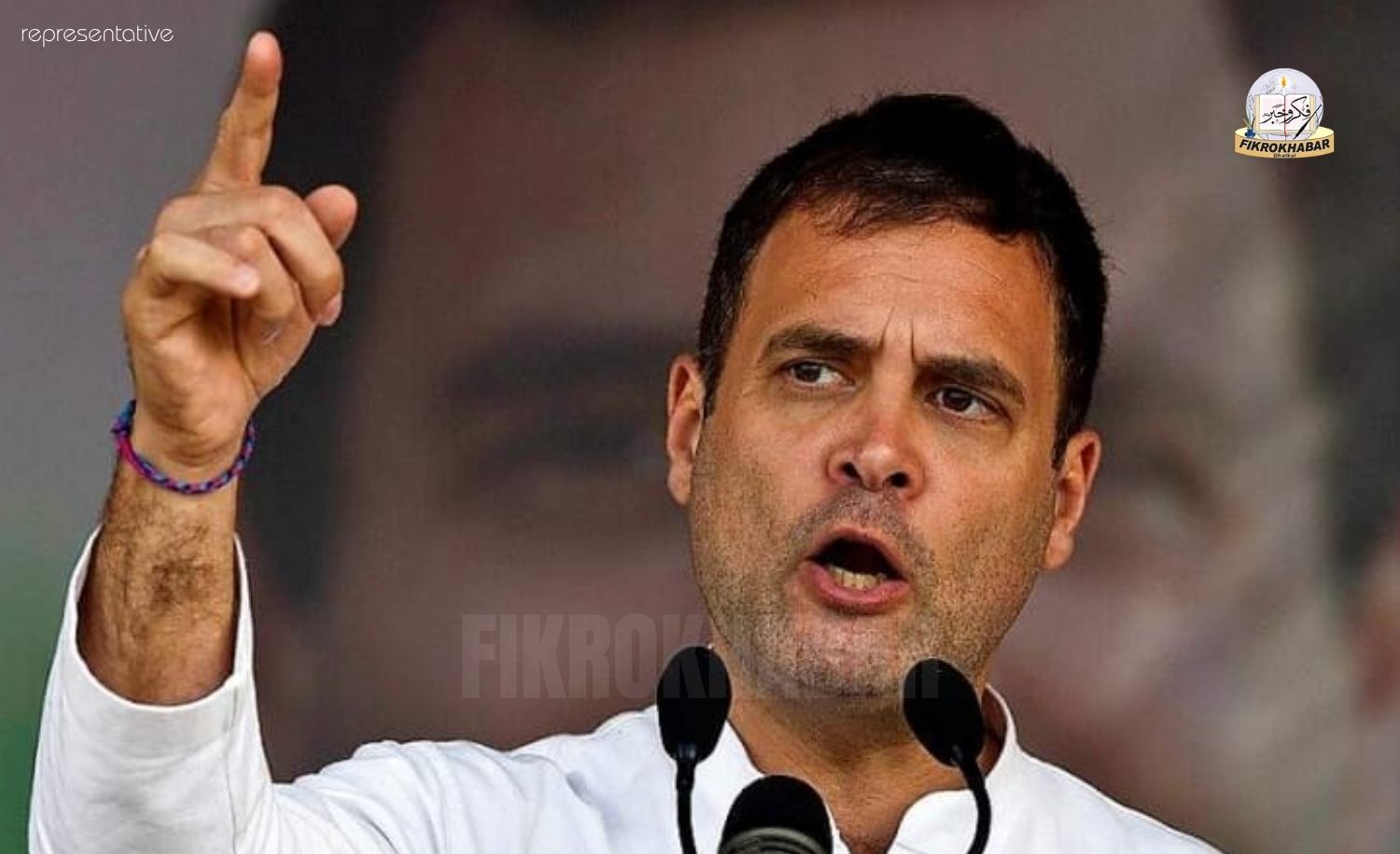

Leader of Opposition Rahul Gandhi has raised serious concerns over the Union government’s admission that it does not maintain records on how many public works contracts go to entrepreneurs from Scheduled Castes, Scheduled Tribes, and Other Backward Classes.
The issue came to light after the government informed Parliament that it does not track the social background of contractors involved in public projects. These contracts accounted for spending of around ₹16,500 crore in the past year.
In a post on social media, Gandhi said he had asked for a clear breakdown of beneficiaries from marginalised communities in major tenders. He described the government’s response as troubling, saying it pointed to a deeper issue rather than a simple administrative gap.
According to him, the absence of such data reflects a broader system that excludes disadvantaged groups from accessing large-scale economic opportunities. He argued that this undermines the principles of social and economic justice.
Gandhi also questioned why entrepreneurs from Bahujan communities appear to be missing from some of the country’s biggest public contracts. He called for greater transparency in how these contracts are awarded.
The debate comes against the backdrop of procurement policies introduced under Prime Minister Narendra Modi. These policies require that 25 percent of government purchases be made from micro, small, and medium enterprises, with 4 percent reserved for businesses owned by SC and ST entrepreneurs.
However, the government clarified that these rules apply only to procurement of goods and services, not to public works contracts. Such contracts are typically awarded through open bidding processes, and there is currently no central system to record the social category of contractors.
Gandhi said this gap raises larger questions about equal access to government opportunities and whether marginalised communities are being fairly represented in high-value projects.