Over 52,000 Indians Return from Gulf Region in a Week as West Asia Tensions Escalate
MEA says thousands of Indians travelled home between March 1–7 after flights resumed amid the ongoing regional conflict.
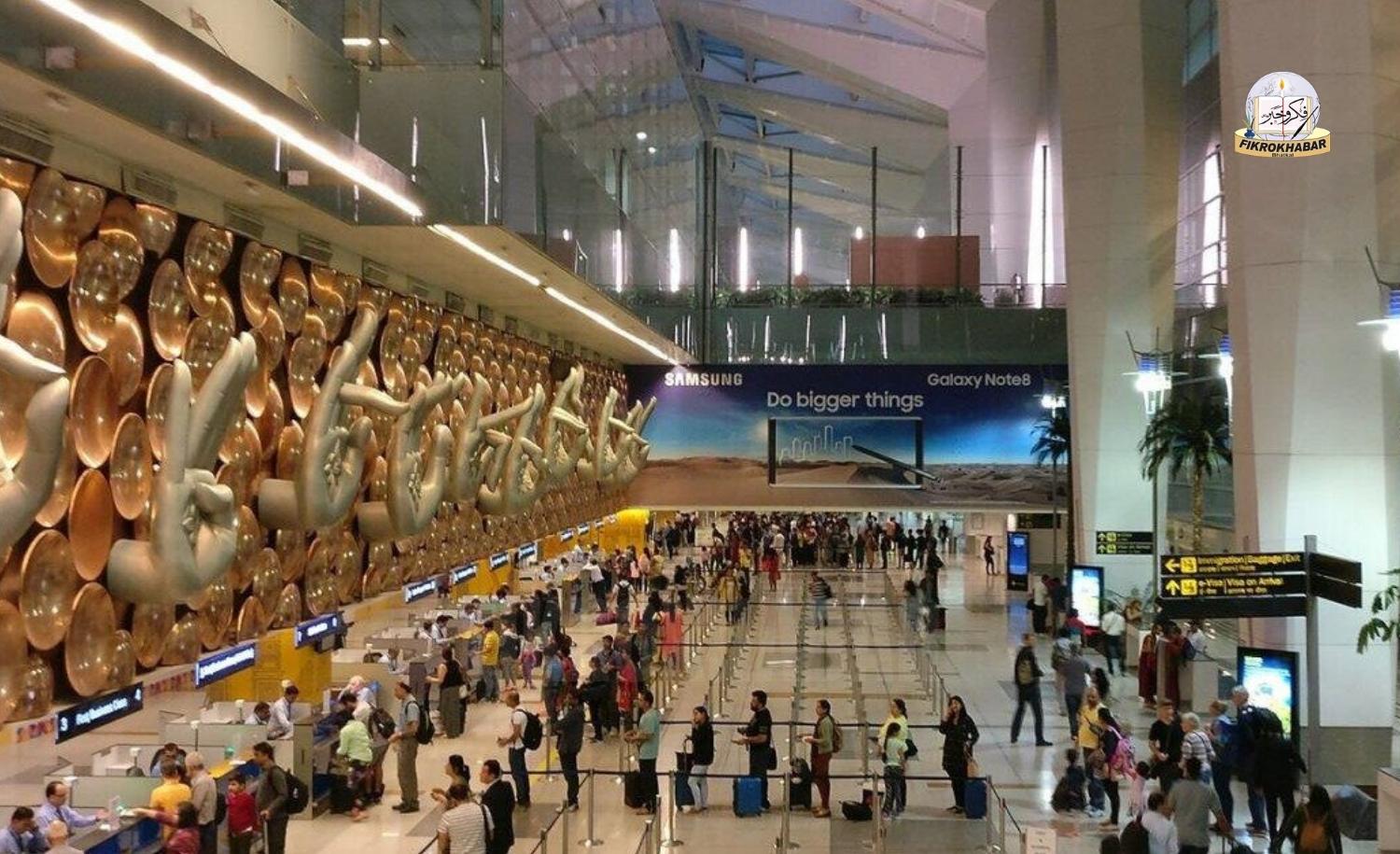

More than 52,000 Indian citizens have returned home from Gulf countries within a week as tensions continue to rise in West Asia, the Ministry of External Affairs (MEA) said on Saturday.
According to MEA spokesperson Randhir Jaiswal, the Indian government is closely monitoring developments in the region and focusing on the safety of Indian nationals who were stranded during transit or short-term visits.
Air travel in parts of the region had been disrupted due to the escalating conflict, but the recent partial reopening of airspace has allowed several Indian and international airlines to resume commercial and special flights.
The MEA stated that between March 1 and March 7, 2026, more than 52,000 Indians travelled back to India from the Gulf region using these services. Out of them, 32,107 passengers flew on Indian airlines.
Officials said more flights are expected to operate in the coming days to help additional passengers return safely.
The ministry has advised Indian nationals currently in the region to strictly follow guidelines issued by local authorities and remain in contact with Indian diplomatic missions. Indian embassies and consulates have also set up 24-hour helplines to assist citizens facing difficulties.
To further support affected people, the MEA has established a Special Control Room that is responding to queries from Indians abroad as well as their families in India.
The situation in West Asia has worsened since the military campaign launched by the United States and Israel against Iran on February 28, 2026. The attacks involved airstrikes on multiple locations inside Iran, raising fears of a wider regional conflict.
One of the most tragic incidents reported during the strikes was the bombing of the Shajareh Tayyebeh girls’ elementary school in Minab, which led to widespread condemnation internationally.
Iranian officials also reported that several senior military figures were killed in the strikes, including high-ranking commanders of the Islamic Revolutionary Guard Corps (IRGC), along with other top defence officials.
In retaliation, Iran launched missile and drone attacks targeting US military bases in several Gulf countries, including Kuwait, Saudi Arabia, the United Arab Emirates, and Jordan. Iran also carried out direct strikes against Israel shortly after the initial attacks, further intensifying the conflict.
The escalating hostilities have already resulted in significant humanitarian and geopolitical consequences. Reports indicate that more than 1,300 people have died in Iran, while US forces have also suffered casualties, including at least three troops killed and several others injured.
Large-scale displacement has also been reported, with around 100,000 people fleeing the capital city Tehran during the early days of the conflict.
The attack on the school in Minab has drawn strong international reaction, with United Nations human rights experts condemning the strike and calling for an independent investigation into the incident.
Beyond the humanitarian impact, the conflict is also raising economic concerns. Disruptions near the strategically important Strait of Hormuz have triggered fears of possible disruptions to global oil supplies, which could lead to a spike in oil prices and further economic instability.