Opposition Criticizes US–India Interim Trade Agreement, Claims It Favors America
Congress and CPI(M) allege that India’s trade concessions primarily benefit the U.S., raising concerns for farmers and domestic industries.

The recently released US–India joint statement on an Interim Trade Agreement has drawn sharp criticism from opposition parties, who described the deal as a “betrayal” of Indian farmers and industries. Some leaders even claimed that Prime Minister Narendra Modi had “surrendered” to U.S. interests.
The joint statement, however, described the agreement as a “historic milestone,” emphasizing a framework for “reciprocal and mutually beneficial trade” and underscoring the countries’ commitment to balanced economic cooperation.
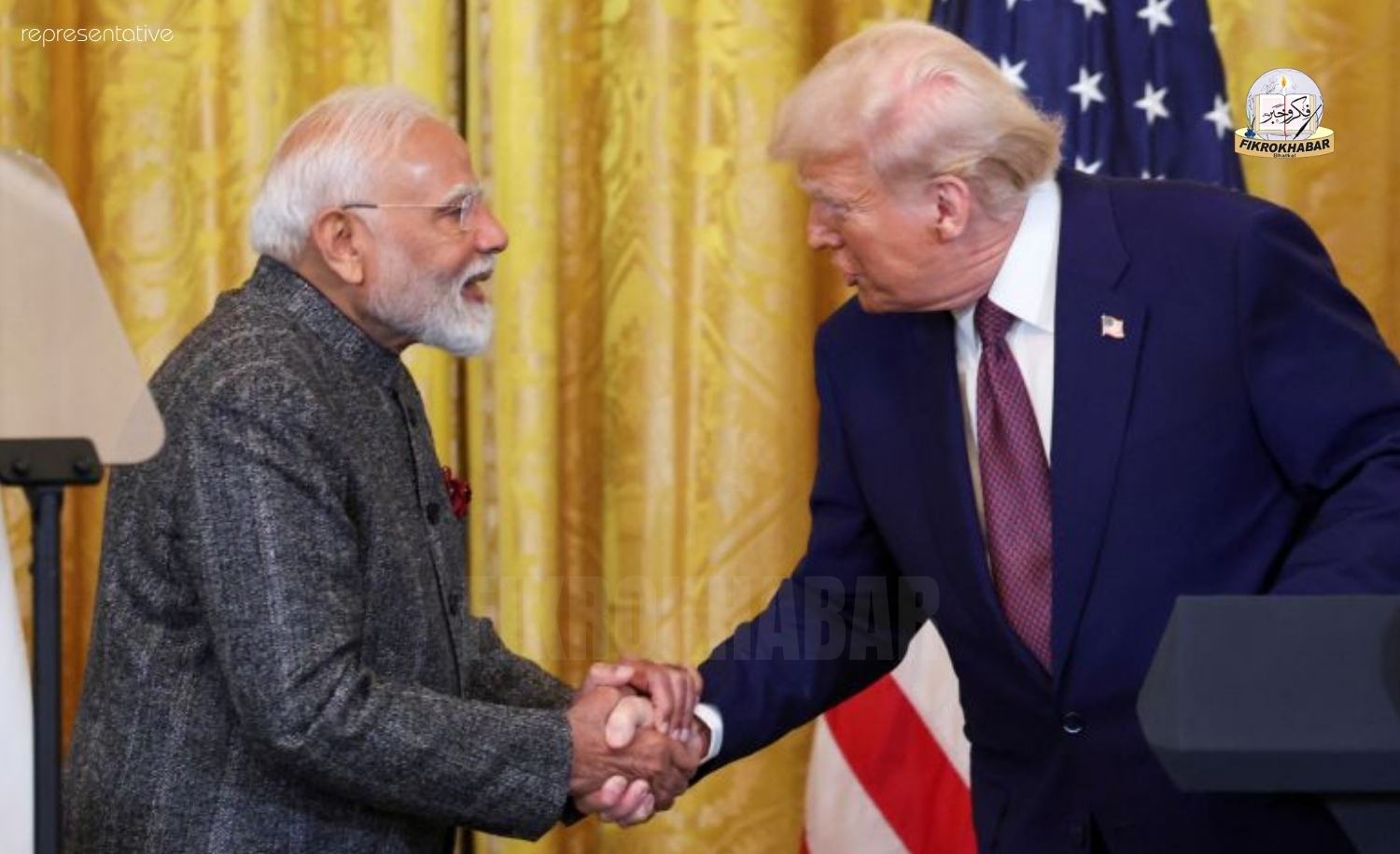
Negotiations for the interim deal began on February 13, 2025, between Modi and former U.S. President Donald Trump, as part of efforts to finalize a broader Bilateral Trade Agreement (BTA).
Under the agreement, India will reduce or remove tariffs on a wide range of U.S. industrial goods and agricultural products, including dried distillers’ grains, red sorghum, tree nuts, fresh and processed fruits, soybean oil, wine, and spirits. The deal also addresses non-tariff barriers affecting U.S. medical devices and ICT products.
In return, the United States will impose an 18 percent tariff on selected Indian exports, including textiles, apparel, leather goods, plastics, rubber, chemicals, home décor, artisanal products, and certain machinery. If the interim agreement is fully implemented, the U.S. will remove tariffs on goods such as generic pharmaceuticals, gems, diamonds, and aircraft parts, and provide preferential rates for Indian automotive parts. Some outcomes for Indian generic drugs will depend on the results of a U.S. Section 232 investigation.
Both countries have agreed to provide preferential market access in sectors of mutual interest, set rules of origin to ensure benefits go primarily to India and the U.S., and review tariffs if trade conditions change. India also plans to purchase $500 billion worth of U.S. goods over the next five years, including energy products, aircraft, technology products, and coking coal. Cooperation is expected to expand in technology sectors like GPUs and digital trade.
Prime Minister Modi described the deal as “great news for India and the U.S.,” noting that it would strengthen “Make in India,” create jobs, and build resilient supply chains.
However, opposition leaders have questioned the deal’s benefits for India. Congress leader Jairam Ramesh said the statement lacked concrete details and argued that Indian farmers could face significant losses due to tariff reductions. He also suggested that U.S. duties on Indian exports might increase, while Indian imports from the U.S. could triple.
CPI(M) MP John Brittas labeled the agreement a “betrayal of farmers,” arguing that the agricultural concessions highlighted in the statement seemed intended as a warning from the U.S. Congress further criticized the government, claiming the deal compromises Indian farmers, manufacturers, energy independence, and technological self-reliance.
The official Indian National Congress handle on X (formerly Twitter) stated, “After reading it, it is clear that Modi has sold the country into the hands of the United States,” and warned that the deal could lead to significant losses for Indian farmers, traders, and industries.