Muslim Personal Law Board Opposes Plea Against Islamic Inheritance Law, Calls It “Mischievous”
AIMPLB says petition challenging Islamic inheritance rules violates constitutional protection of religious freedom.
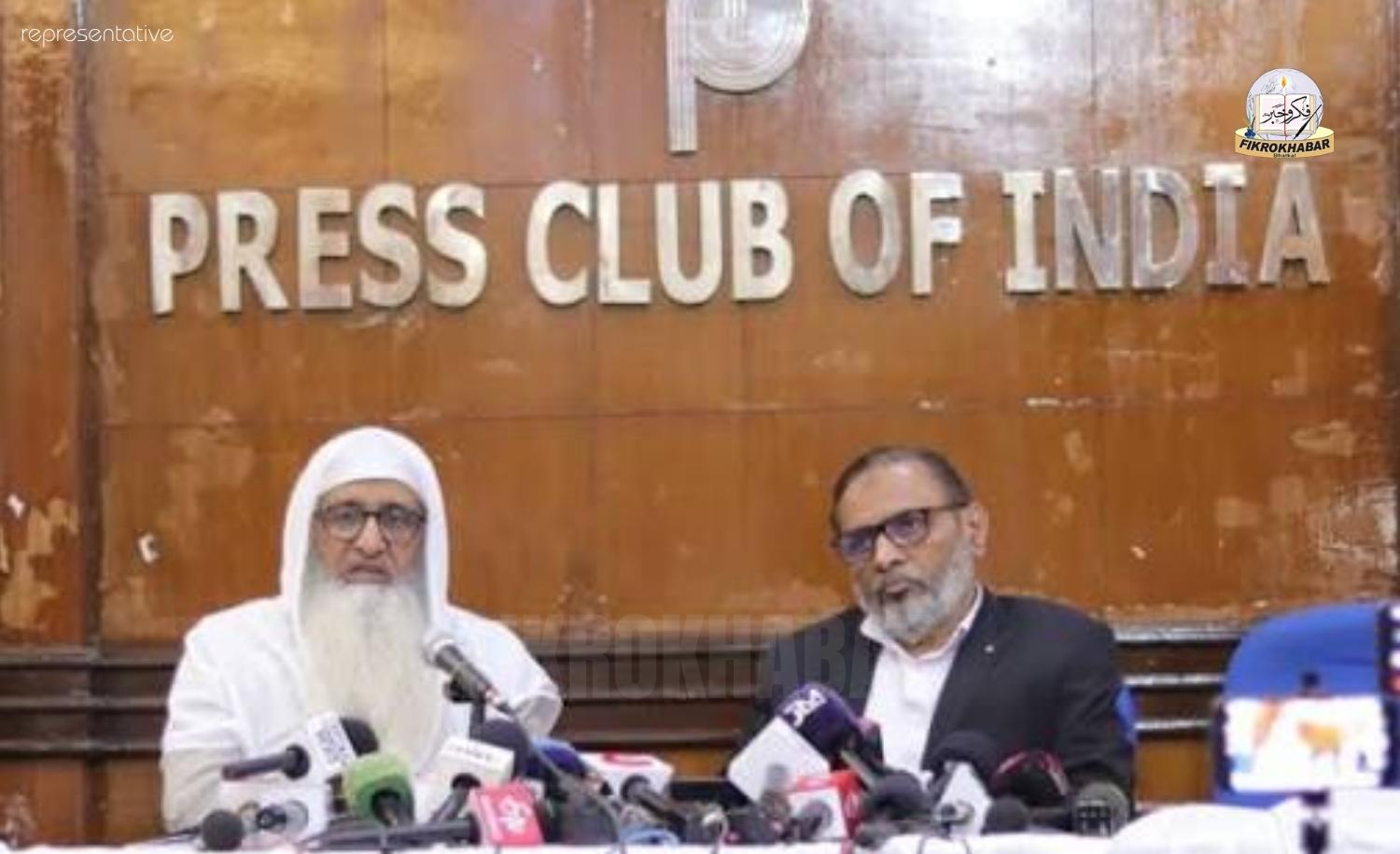

The All India Muslim Personal Law Board (AIMPLB) has strongly opposed a petition filed in the Supreme Court of India seeking to invalidate Islamic inheritance law, describing the move as “mischievous” and contrary to the constitutional guarantee of religious freedom.
In a statement released to the media on Thursday, AIMPLB spokesperson S. Q. R. Ilyas criticised a plea reportedly submitted by the Naya Nari Foundation, which argues that Islamic inheritance rules discriminate against Muslim women.
Rejecting the claim, the Board said the petition is baseless and violates Article 25 of the Constitution of India, which guarantees citizens the right to freely practise and propagate their religion.
Ilyas pointed out that the Bombay High Court had previously clarified in the State of Bombay v. Narasu Appa Mali case that personal laws are not subject to constitutional scrutiny. According to him, this legal precedent supports the protection of religious personal laws.
He also rejected the argument that Islamic inheritance rules do not qualify as an essential religious practice. Ilyas said Islamic family laws are derived directly from the Qur’an and the Sunnah—the teachings and traditions of the Prophet—making their observance obligatory for Muslims.
Responding to allegations of discrimination, the AIMPLB spokesperson said Islam grants equal dignity to men and women while assigning them different roles and responsibilities. He explained that under Islamic law, men are responsible for providing financial support and covering household expenses, while women are not required to contribute financially and may use their personal income as they wish.
Ilyas also referred to remarks attributed to the Chief Justice of India suggesting that such issues could be addressed through a Uniform Civil Code. He argued that Article 44 of the Constitution of India, which mentions the Uniform Civil Code under the Directive Principles of State Policy, serves only as a guideline and cannot be imposed on Muslims without their consent.
The Board has urged the Supreme Court to dismiss the petition challenging Islamic inheritance law.