Muslim Personal Law Board Calls UCC in Gujarat and Uttarakhand ‘Unconstitutional’
AIMPLB raises concerns over religious freedom, transparency, and timing of Uniform Civil Code laws
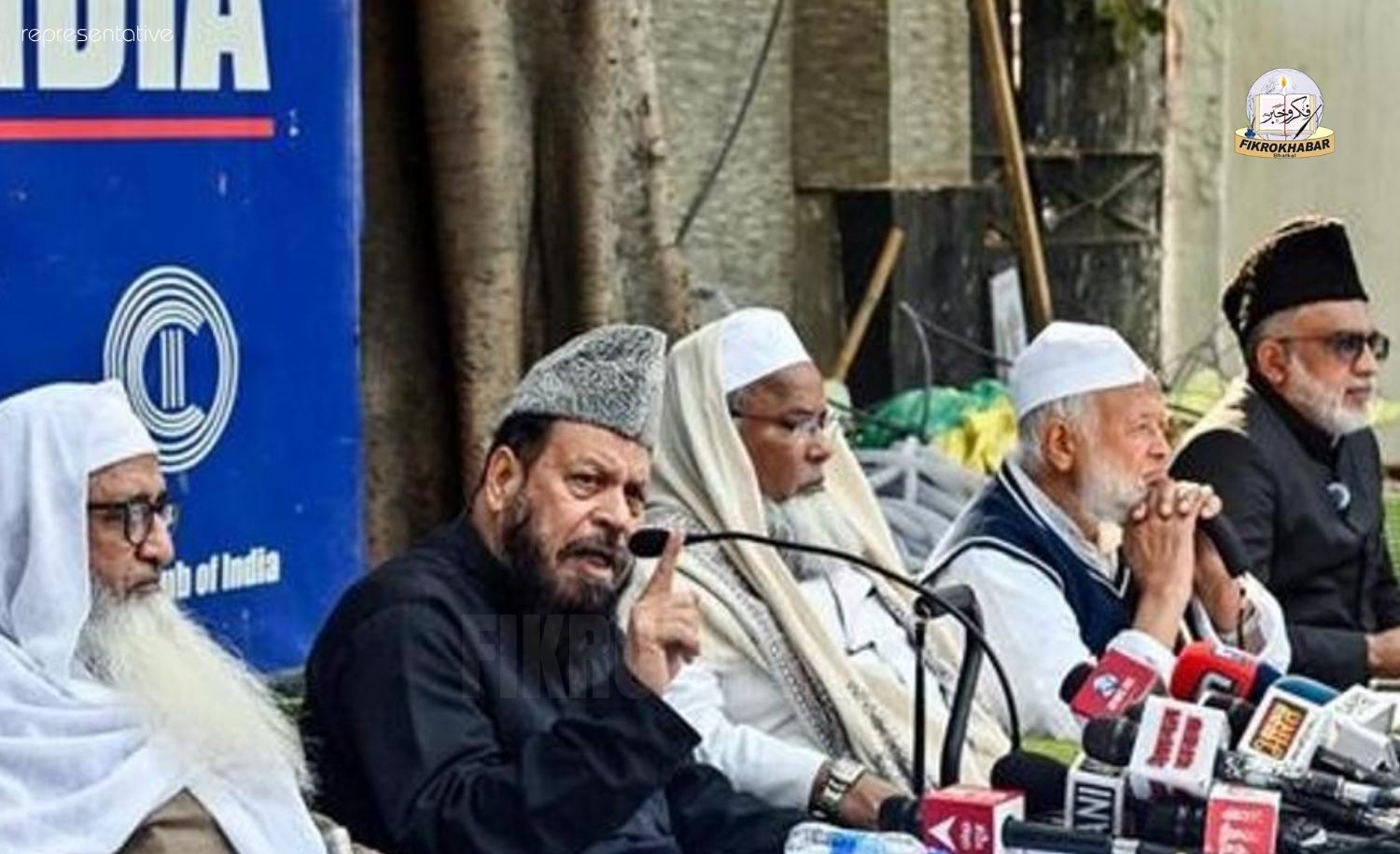

The All India Muslim Personal Law Board has strongly criticised the implementation of the Uniform Civil Code in Uttarakhand and the recently passed bill in Gujarat, describing the move as unconstitutional and a violation of fundamental rights.
Speaking at a press conference in New Delhi, senior members of the Board said the Gujarat legislation, which is awaiting the Governor’s approval, raises serious constitutional and legal concerns. They argued that although it is presented as a Uniform Civil Code, it does not meet the standards set by the Constitution.
The Board stated that the law infringes upon rights guaranteed under Part III of the Constitution, including religious freedom, equality, and personal liberty. It also highlighted that Article 44, which mentions the Uniform Civil Code, is part of the Directive Principles of State Policy and is not legally enforceable like fundamental rights.
According to the Board, a true Uniform Civil Code should apply equally across the country. However, the Gujarat law excludes Scheduled Tribes and certain protected communities, making it neither uniform nationwide nor within the state itself.
Referring to debates from the Constituent Assembly, the Board said B. R. Ambedkar had assured that such a law would not be imposed without public consent. It also pointed out that both the 21st Law Commission of India and 22nd Law Commission of India had invited public feedback on the issue, and that the Board had formally submitted its objections.
The AIMPLB noted that the 21st Law Commission had earlier observed that a Uniform Civil Code was neither necessary nor desirable under the existing conditions.
The Board also questioned the transparency of the consultation process in Gujarat. It said that although a committee was formed to gather public opinion, its findings have not been made public, raising doubts about whether the process was genuinely consultative.
Further, the organisation alleged that the law attempts to impose majority cultural norms on minority communities, particularly Muslims. It argued that personal matters such as marriage, divorce, inheritance, and succession are central to Islamic practices, and that interference in these areas violates constitutionally protected religious freedoms.
The Board claimed that certain aspects of Islamic personal law have been invalidated or criminalised under the new framework, while alternative systems based on majority practices are being enforced.
It also raised concerns about the timing of the legislation, suggesting that it may be politically motivated in light of upcoming elections. According to the Board, this creates an impression that constitutional decision making is being influenced by electoral considerations.
The AIMPLB has called for an immediate halt to the implementation of the Uniform Civil Code in both states and demanded a thorough constitutional review. It emphasised that any reform in personal laws should involve wide consultation with all stakeholders and follow due legal process.
The Gujarat Assembly recently passed the Uniform Civil Code Bill, 2026, which proposes a common legal framework governing marriage, divorce, succession, and live in relationships, regardless of religion. The law would apply within the state and to residents outside Gujarat, while exempting Scheduled Tribes and certain protected groups.
Opposition parties, including the Indian National Congress, have criticised the bill, alleging it was rushed ahead of the 2027 elections and interferes with religious practices, especially those of the Muslim community. Some leaders have called it discriminatory and indicated plans for protests and legal challenges.
Earlier, in 2024, Uttarakhand became the first state in India to implement a Uniform Civil Code.