Modi, Trump Discuss Middle East Crisis; Stress Importance of Strait of Hormuz
Leaders highlight need for open sea routes as tensions threaten global energy and trade
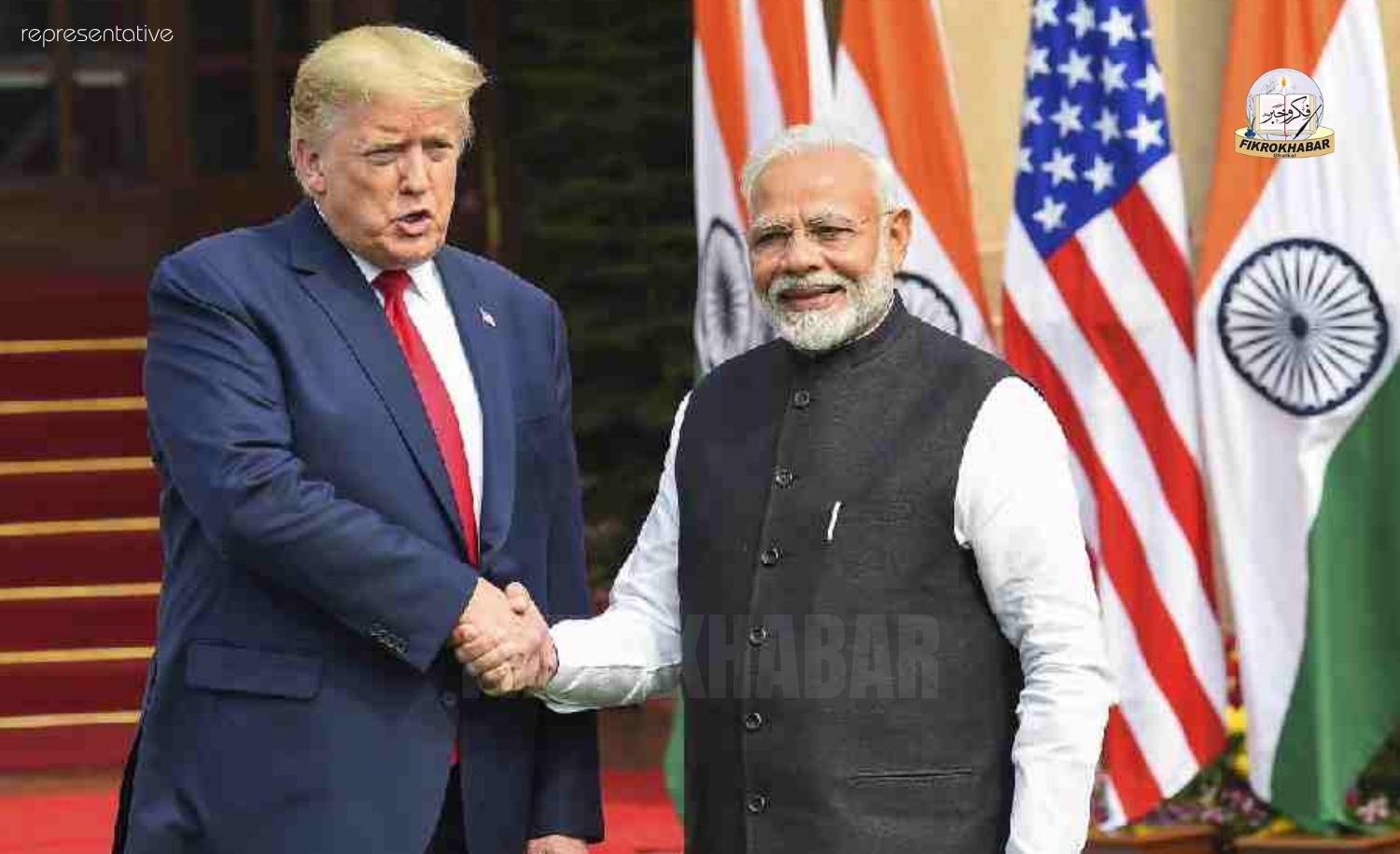

Prime Minister Narendra Modi and US President Donald Trump held a phone conversation on Tuesday to discuss the escalating situation in the Middle East, with a focus on maintaining stability in the strategically important Strait of Hormuz.
According to US envoy to India Sergio Gor, the two leaders emphasized the importance of keeping the vital shipping route open and secure. The Strait of Hormuz, located between the Persian Gulf and the Gulf of Oman, is one of the world’s most critical energy corridors.
Shortly after the call, Modi described the conversation as a “useful exchange.” He reiterated India’s position in favor of de-escalation and an early return to peace in the region. The Prime Minister stressed that ensuring free and secure access through the Strait of Hormuz is crucial for global stability. Both leaders agreed to remain in contact regarding ongoing efforts to restore peace.
Meanwhile, President Trump said earlier that he had given Iran additional time to reopen the Strait, extending a previous deadline. He also indicated that the US would delay potential strikes on Iranian energy infrastructure for five days, while diplomatic efforts continue.
Trump noted that discussions between the United States and Iran have been “productive,” suggesting there may be room for a broader resolution to the ongoing tensions in West Asia.
The conflict has already begun affecting multiple sectors, including aviation, shipping, and energy supplies. The near-disruption of the Strait of Hormuz is particularly significant for India, as nearly 40% of its crude oil imports pass through this route.
Addressing Parliament a day earlier, Modi acknowledged that the crisis has created serious challenges for the country. However, he assured that India’s economic fundamentals remain strong and that there are sufficient reserves of essential resources such as petroleum, fertilisers, and coal to manage potential disruptions.