Mahmood Madani’s Remarks on Judiciary, ‘Jihad’ and ‘Ghar Wapsi’ Spark Major Political Controversy
The Jamiat Ulema-e-Hind chief’s sharp critique of state institutions and rising anti-Muslim narratives triggers intense national debate.
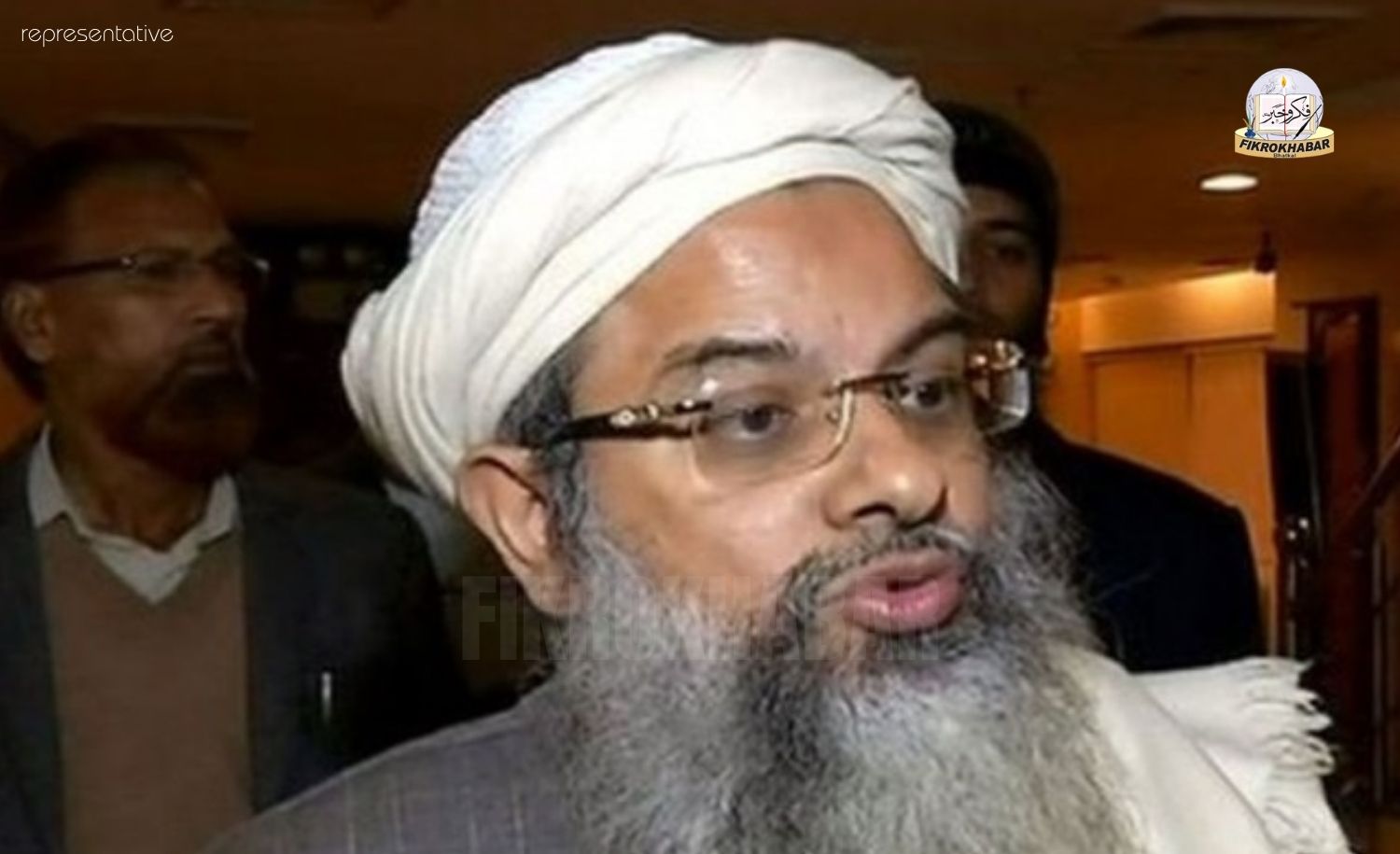

Jamiat Ulema-e-Hind (JUH) president Maulana Mahmood Madani has ignited a nationwide political storm after delivering a strongly worded speech in Bhopal, where he accused the Supreme Court, the central government and various ideological groups of undermining the rights of India’s minorities. His comments have reopened long-standing debates about secularism, judicial neutrality and the treatment of Muslims in the country.
Speaking at a JUH event, Madani claimed that India’s constitutional institutions were not protecting minority rights as they should. He said several recent developments pointed to a “systematic campaign” to target Muslims, including the misuse of religious terms, the reopening of protected temple–mosque disputes, and the selective application of anti-conversion laws.
Concerns Over Judicial Independence
Madani delivered one of his strongest critiques of the judiciary, saying the Supreme Court is “supreme” only when it firmly upholds constitutional values. He pointed to judgments such as the Babri Masjid verdict, the triple-talaq ruling and ongoing litigation over the Gyanvapi and Mathura disputes as examples that have weakened minority trust in the courts.
He argued that cases protected under the Places of Worship Act, 1991 should not be reopened, and said recent trends created the perception that judicial decisions sometimes align with majoritarian expectations. While he did not name any judges, he said the judiciary must remain free from political influence.
Defending the Meaning of ‘Jihad’
A significant portion of Madani’s speech focused on how the term “jihad” has been distorted in political and media narratives. He criticised labels such as “love jihad,” “land jihad,” and “economic jihad,” saying these terms were used strategically to vilify Muslims.
Madani emphasised that in Islamic tradition, “jihad” refers to moral and lawful resistance against injustice— not violence. He said Indian Muslims reject extremist interpretations and remain committed to constitutional and peaceful means of struggle.
‘Ghar Wapsi’ and Alleged Double Standards
Madani also questioned what he described as a double standard in the enforcement of anti-conversion laws. He said while Muslim or Christian religious outreach often faces legal scrutiny, large-scale “ghar wapsi” programmes—where Muslims or others are converted to Hinduism—take place openly and with political support.
He argued that this disparity weakens the spirit of secularism and raises serious concerns about equal treatment of all faiths. He also highlighted frequent FIRs, raids and restrictions on Muslim preachers, contrasting them with the leniency shown to groups conducting mass conversions under the banner of “ghar wapsi.”
Bulldozers, Boycotts and Social Pressure
Madani said Muslims across India were facing discrimination in multiple forms, including mob violence, hate speech, targeted boycotts and bulldozer demolitions. He described growing symbolic pressures—such as demands to chant particular slogans or publicly prove patriotism—as “coercive nationalism.”
Such developments, he warned, threaten India’s pluralistic character. “We love our country, but we will not surrender our religious dignity,” he said.
A Warning About Rising Marginalisation
Calling the present environment “highly sensitive,” Madani said Muslim youth were growing up in a climate of fear and constant scrutiny. He urged political leaders to consider the long-term consequences of alienating a community that has historically worked for the nation’s progress.
Despite the challenges, he stressed that Indian Muslims remain committed to peace and constitutional principles.
Political Reactions
Madani’s speech drew swift and sharply divided reactions.
From BJP leaders and allied groups:
They accused him of making divisive remarks and attempting to provoke the Muslim community by invoking “jihad,” even though he clarified its meaning. Several leaders claimed he had undermined public confidence in the judiciary and demanded legal action.
From Muslim organisations and civil-society groups:
Many supported his concerns about discrimination and political interference in religious matters. Some, however, noted that using the term “jihad” could be misinterpreted in the current climate. Activists questioned why criticism from Muslim leaders is often labelled “anti-national,” while similar critiques by others are accepted as part of democratic discourse.
An Ongoing National Debate
Madani’s remarks have intensified discussions on key issues, including judicial independence, rising hate campaigns, the implementation of the Places of Worship Act, secularism, anti-conversion laws and the widening trust deficit between institutions and minority communities.
Whether the government or Supreme Court responds to these allegations remains unclear. But Madani’s comments have already sparked renewed debate across political circles, community organisations and civil society.