Kerala POCSO Case: BJP Leader Padmarajan Sentenced to Life Imprisonment Till Death
Special Court in Thalassery delivers rare life-till-death sentence for repeated sexual assault of 10-year-old student.
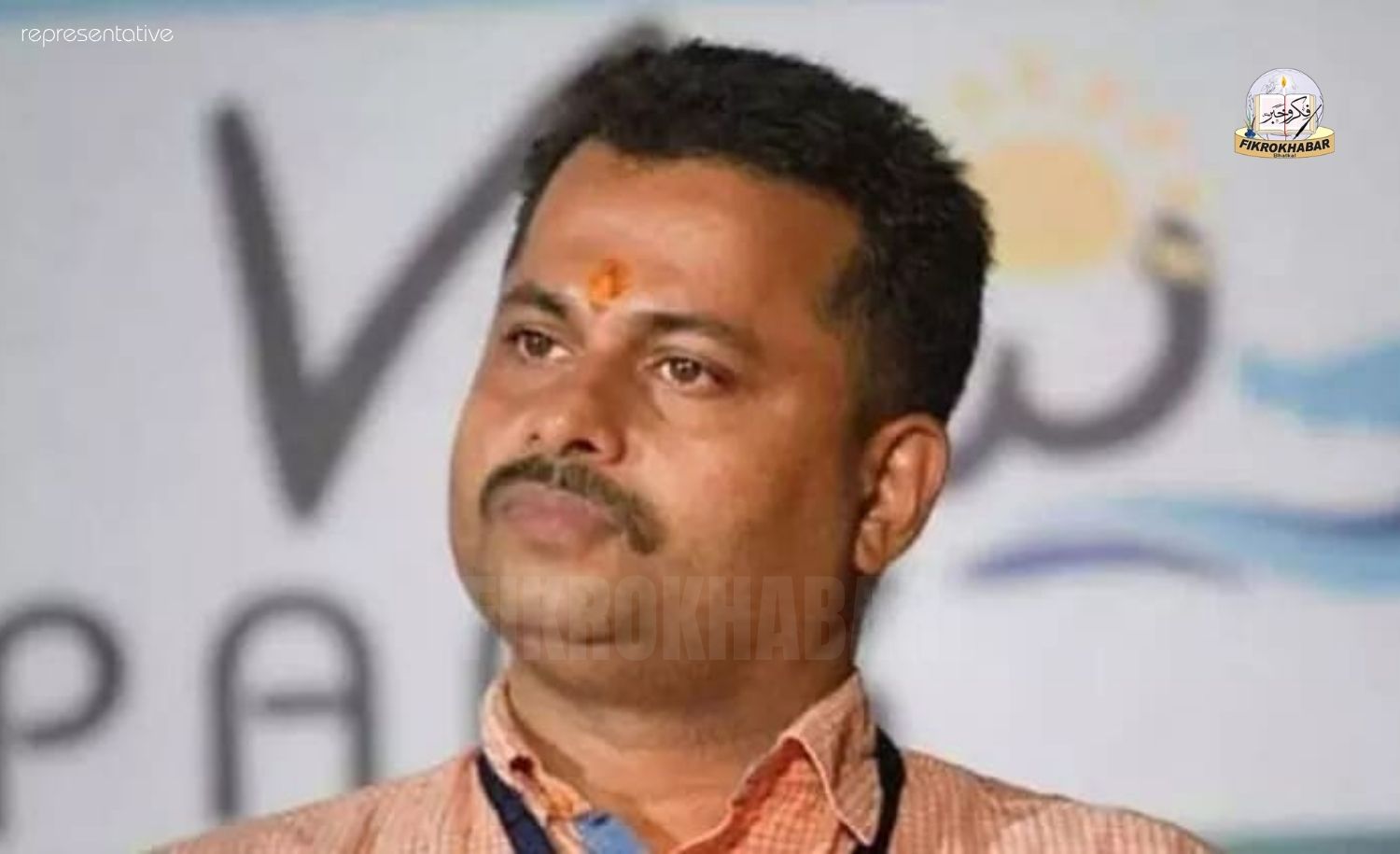

A POCSO Special Court in Thalassery on Friday sentenced BJP leader and schoolteacher K. Padmarajan, also known locally as Pappan Master, to life imprisonment till the end of his natural life for repeatedly sexually assaulting a 10-year-old student.
The verdict came a day after Judge M.T. Jalajarani found him guilty in the 2020 Palathayi child sexual abuse case. In addition to the life-till-death sentence, the court imposed two separate 20-year rigorous imprisonment terms under Sections 5 and 6 of the POCSO Act, along with a total fine of ₹2 lakh. Failure to pay will add an extra year of imprisonment.
Padmarajan, 49, was a former Thrippangottur panchayat president and a district leader of a Sangh-affiliated teachers’ organisation. The survivor was a Class 4 student at the school where he taught. According to the prosecution, he assaulted the child multiple times, both inside a school toilet and at another location to which she had been taken.
The case surfaced in March 2020 after Childline alerted police. A formal complaint followed on March 18, leading to Padmarajan’s arrest on April 15. Initial investigations by Kannur police booked him under IPC Section 376 and POCSO Sections 5 and 6.
However, the probe soon became controversial. Senior officers, including IG Sreejith, were accused of weakening the case by highlighting minor inconsistencies in the child’s testimony. At one stage, the Crime Branch removed POCSO charges altogether and filed a diluted chargesheet under minor IPC and Juvenile Justice Act sections. This shift triggered strong public protests across Kerala.
The child’s mother later approached the Kerala High Court, alleging political influence and interference. The case took a decisive turn when then-Taliparamba DYSP Rathnakumar reinvestigated the matter, using scientific evidence. Blood traces found in the school restroom helped re-establish the charges, and the POCSO sections were reinstated in the final report.
Prosecutors described Friday’s judgment as “the most appropriate punishment,” saying it acknowledged the trauma the child endured. They noted that the survivor lost years of schooling due to the psychological impact of the abuse.
Several activists, lawyers, and investigation team members welcomed the verdict, calling it a “victory of truth” and an affirmation that even marginalized victims can secure justice despite powerful attempts to derail the case. Many highlighted the role of sustained public pressure and civil society vigilance in ensuring that the investigation stayed on track.
Welfare Party state general secretary Jabeena Irshad, who was involved in the protests, said the verdict was the result of persistent public action. She recalled that during the lockdown, campaigners launched online and home-based protests to keep the case in public view. “The truth has finally prevailed,” she said.
When the court asked for the defence’s final stand, they claimed the case was fabricated and sought leniency, citing Padmarajan’s family circumstances. The court rejected the plea, stating that the gravity of the crime committed by a teacher entrusted with a child’s safety—required exemplary punishment.
While the prosecution had even sought the death penalty, the court emphasized that the life-till-death sentence accounts for both the crime’s severity and the systematic attempts to sabotage the case.
According to Advocate Ameen Hasan, the Palathayi case will be remembered as an example of civil society overcoming political pressure and institutional hurdles to secure justice for a vulnerable child.