Kerala Girl Quits School Over Hijab Ban; Father Cites Mental Distress, Thanks Govt for Support
Family withdraws student from St. Rita’s School after hijab row; education minister slams school for mishandling the issue.
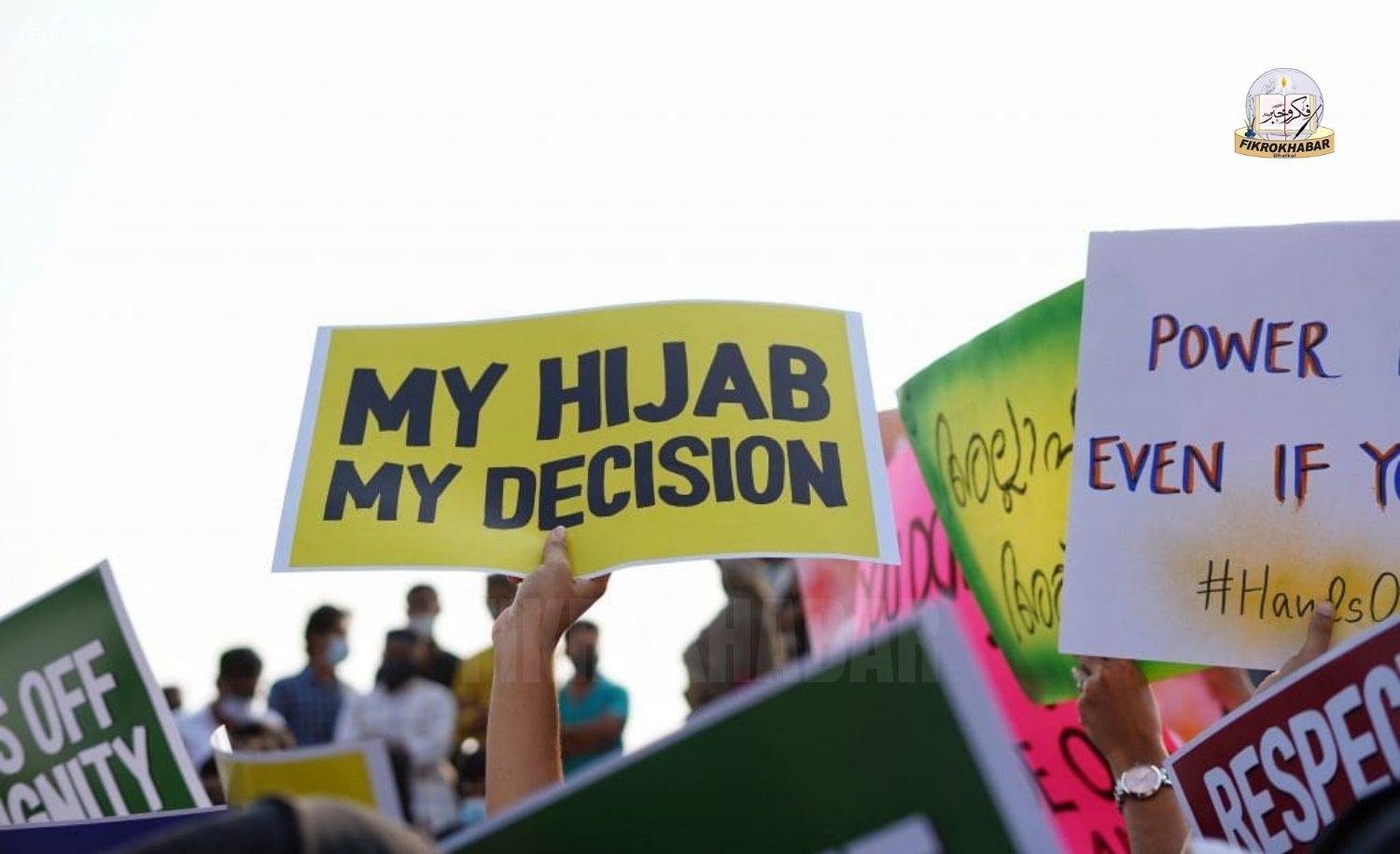

Kochi: A hijab controversy at a private school in Kerala has taken a serious turn, with the family of an 8th-grade student choosing to withdraw her from school due to what they describe as “unbearable mental pressure” on the child. The case has sparked statewide debate on religious freedom, school autonomy, and the role of government in ensuring inclusive education.
PM Anas, the father of the student at St. Rita’s School in Palluruthy, told reporters that his daughter was left anxious and fearful after being denied permission to wear the hijab at school. “She was mentally disturbed and asked me if she could stop going there. We agreed because her well-being is more important than anything else,” he said.
The issue began when Anas requested that his daughter be allowed to wear the hijab as part of her religious practice. According to him, the school authorities flatly refused. While he appreciated the Kerala government’s and the education minister’s supportive response to their complaint, the school did not change its stance.
The father alleged that his daughter faced discrimination not just from the school but also from some members of the local community. “When she went wearing the hijab, some nuns claimed it scared other students even though they themselves cover their heads,” he said. “We were made to feel like we were doing something wrong.”
He further claimed that certain political leaders and local representatives pressured the family to back off, painting them as the instigators of unrest. “The pressure on my child became too much. I can’t send her back to a place where she feels unsafe.”
Anas also criticized the school for its handling of the situation. “When I went to pick her up, she was standing in the sun, outside the classroom. They say she wasn’t removed let them check the CCTV footage,” he said. “When we took admission, there was no mention of a hijab ban.”
Govt Slams School Management
Kerala’s Education Minister, reacting strongly to the development, held the school management accountable. “If a child is mentally distressed, the school will be held responsible,” he said, adding that schools must adhere to constitutional and legal protections for students’ rights.
He emphasized that the state will take action based on the Kerala Education Rules (KER), which regulate private schools. “No institution is above the law,” he warned. “You cannot deny education to a child over a headscarf.”
The minister had earlier directed the school to allow the student to wear the hijab and demanded a report on the incident. He also accused the school’s Parent-Teacher Association (PTA) and management of acting with “political motives” to challenge the state government.
School Denies Allegations, Defends Policy
School Principal Sr. Heleena Albin claimed that the dress code was clearly communicated during admission and that the student was only asked “in a loving way” to comply. She rejected the education department’s findings, which stated that the school’s rulebook made no mention of a hijab ban.
Sr. Heleena maintained that the student was not expelled and remains officially enrolled. She also announced the school’s plan to approach the High Court, arguing that schools have the right to set their own uniform policies as per existing legal precedents.
Church Leaders Join the Debate
The controversy has drawn responses from religious leaders as well. Bishop Yuhanon Mar Milithios of the Malankara Orthodox Syrian Church questioned the logic of banning hijabs for students while allowing other visible religious symbols. “If headscarves are banned, will crosses, bangles, or bindis be next?” he asked.
Aftermath and Broader Concerns
St. Rita’s School, which had temporarily shut down following the uproar, reopened after two days. However, the incident has reignited public debate over religious expression in educational institutions, the autonomy of private schools, and the importance of protecting children’s mental health.
The father’s final words were both emotional and cautionary: “No child should have to go through what mine went through. Schools should not treat any student or parent in a way that causes such pain.”