Jukaku Shamsuddin: The Visionary Leader Who Helped Shape Modern Bhatkal
A lawyer, educationist, and former Deputy Minister of Mysore State whose selfless service transformed Bhatkal’s future.
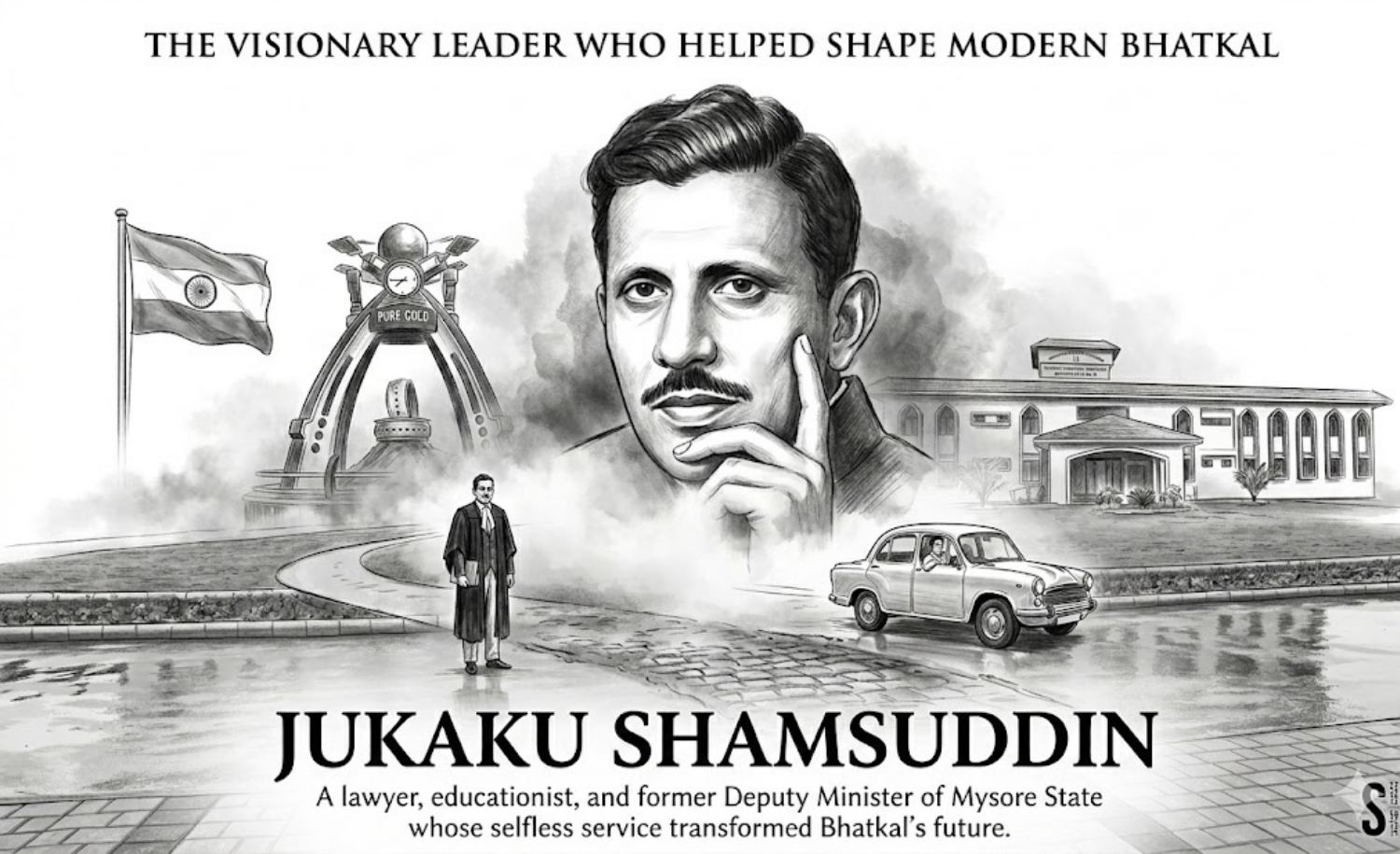

Jukaku Shamsuddin remains one of the most respected public figures in the history of Bhatkal. Born in 1913 in the coastal town of Bhatkal in present-day Karnataka, he rose from humble beginnings to become a prominent political leader, lawyer, and educationist. His life story reflects dedication, integrity, and an unwavering commitment to public welfare.
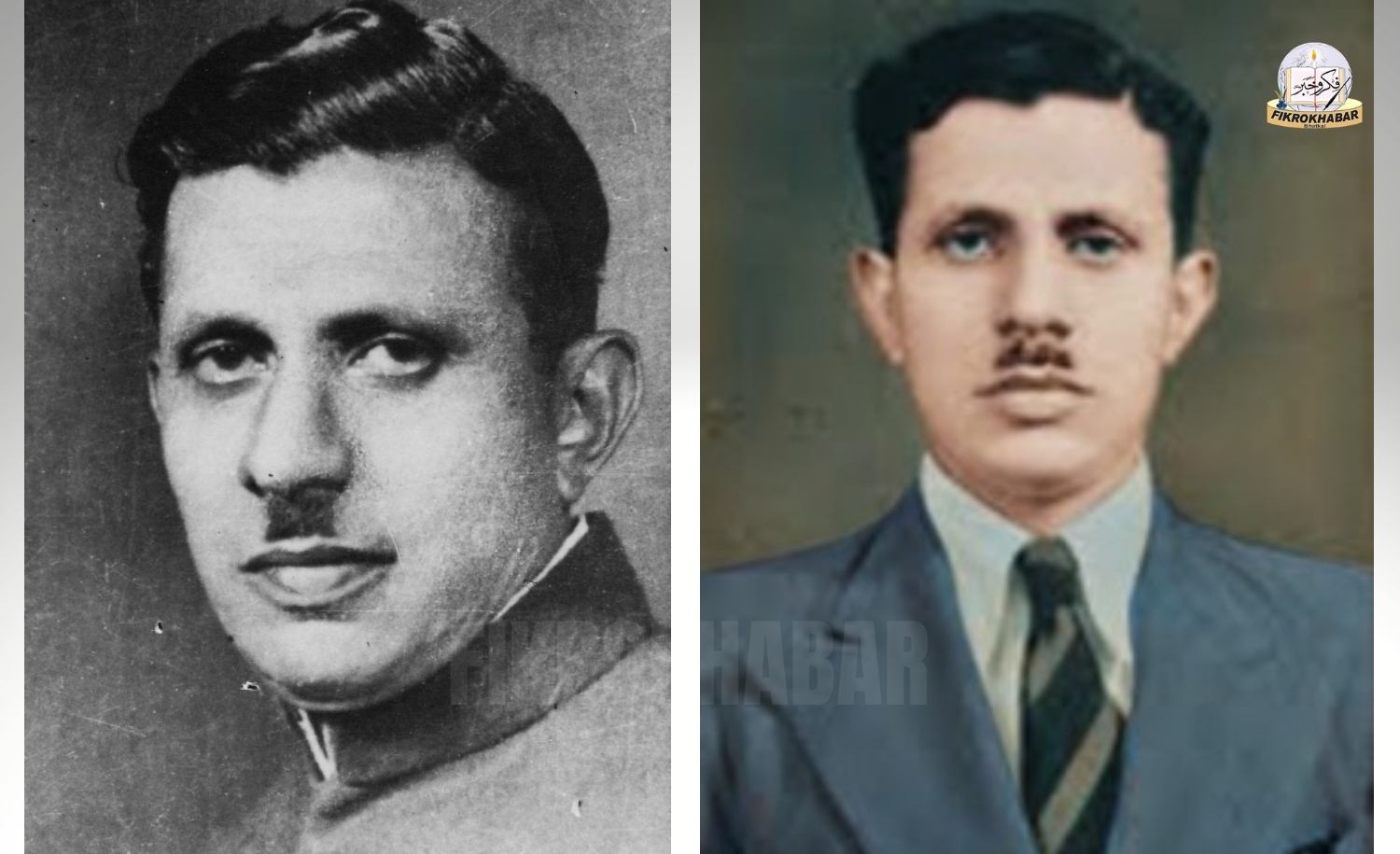
Early Life and Education
At a time when Bhatkal lacked basic facilities such as electricity, proper roads, and higher educational institutions, young Shamsuddin dared to dream beyond limitations. The town had only a higher primary school when he completed his early education. Recognizing his determination, local philanthropist M.M. Siddique supported the orphaned boy’s studies and helped him enroll at Gibbs High School in Kumta.
Shamsuddin later earned a Bachelor of Arts degree from Kolhapur and completed his LLB from Poona University. Alongside his formal education, he also studied Arabic under local scholars, balancing modern education with religious learning. Upon returning to Bhatkal, he became the first and for several years, the only qualified lawyer in the town.
Legal Career and Public Service
As a lawyer, Shamsuddin was known for his honesty and compassion. He often took up cases regardless of his clients’ financial background, sometimes working for little or no fee if he believed the case was just. His dedication earned him immense respect across communities.
He was later appointed Public Prosecutor in Kumta, strengthening his reputation throughout the Karwar district. In 1946, the people of the region elected him to the Assembly of the Bombay Presidency. His effective representation brought him into contact with national leaders of the time.
Although he did not win in the 1951 elections, his public service continued uninterrupted. He was elected President of the Bhatkal Municipality and also served as General Secretary of Anjuman Hami-e-Muslimeen, a leading educational organization in the town.
Transforming Bhatkal
During his tenure as Municipal President, Bhatkal saw major improvements. The town received its first tarred roads, a sewage system, and a cottage hospital. These developments marked the beginning of modern civic infrastructure in the region.
Following the reorganization of states, he was elected to the Mysore State Assembly. He later served as Deputy Finance Minister in the Mysore government under Chief Minister B.D. Jatti. With this appointment, he became the first minister from Bhatkal.
Development of the Karwar district remained his top priority. Electricity and telephone services were introduced to Bhatkal during his tenure. Roads that were previously unusable during monsoons were improved. Municipal limits were expanded, new residential colonies were established, and street lighting was installed all contributing to a better quality of life for residents.
In his later term, he was given charge of the Power portfolio and played a significant role in advancing regional electrification projects, helping towns and industries grow.
Commitment to Education and Faith
Beyond politics, Shamsuddin was deeply committed to education. His leadership in Anjuman strengthened its institutions, laying the foundation for generations of students to pursue modern and professional studies.
Despite holding high office, he lived a simple and disciplined life. Known for his strong faith, he never neglected his religious duties, even during his busy years in government.
Family and Legacy
He married Zubeidah Begum, the daughter of his benefactor. Together they had six daughters and four sons. His children and grandchildren went on to pursue higher education and professional careers across India, the Middle East, Europe, and the United States.
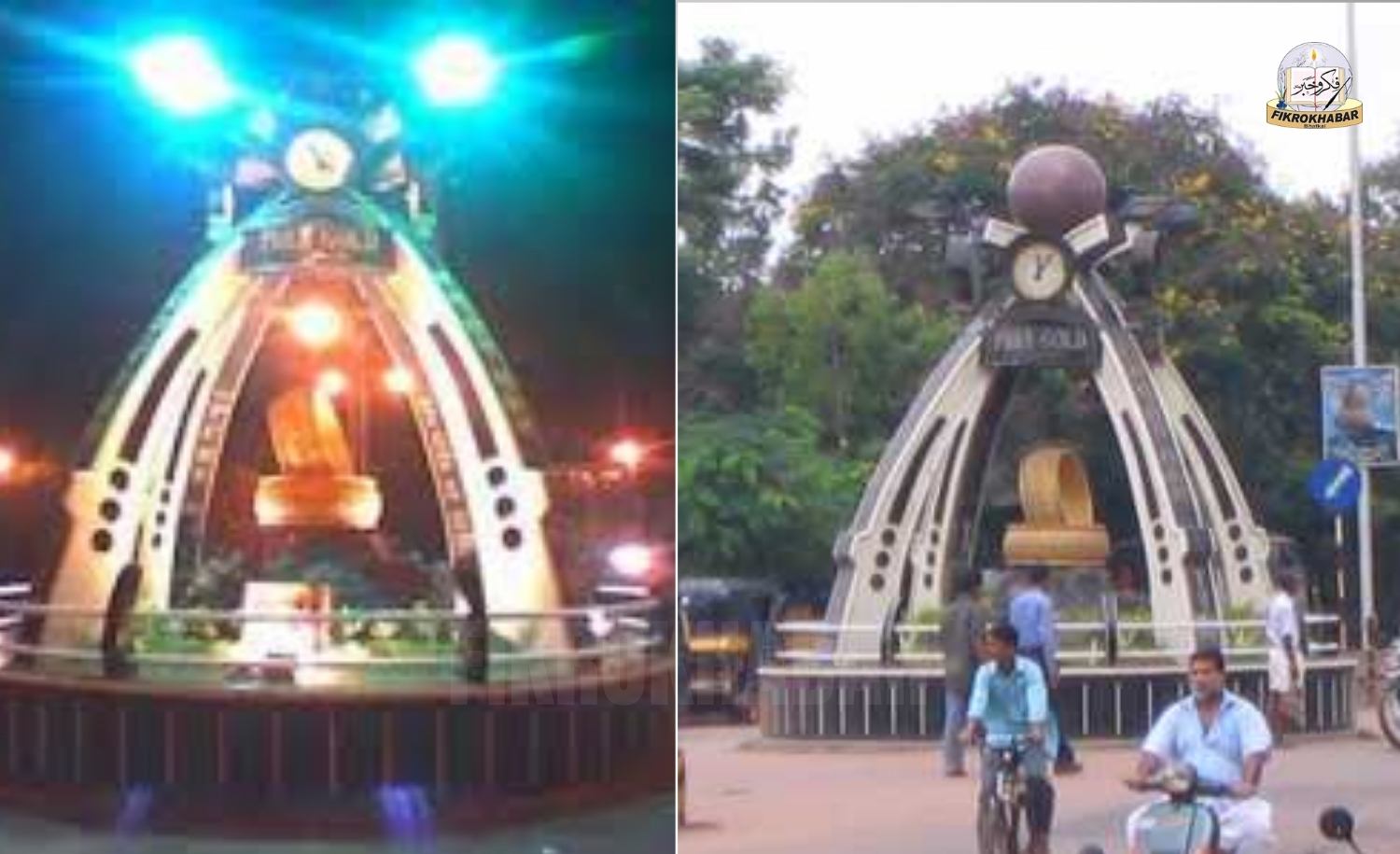
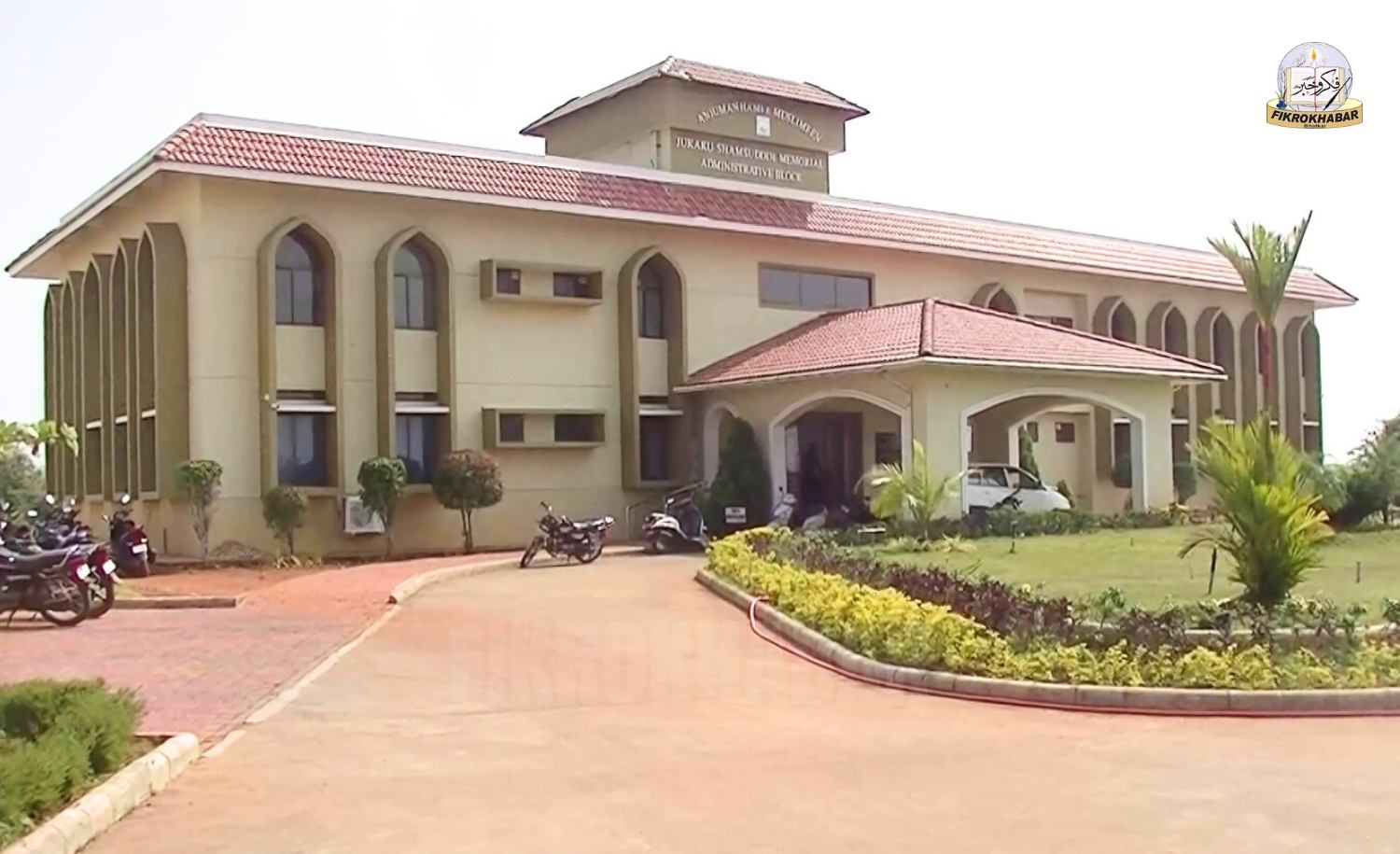
Jukaku Shamsuddin passed away in 1964, leaving behind a legacy of integrity and service. Today, his memory continues to live on in Bhatkal. The Jukaku Shamsuddin Memorial Administrative Block at Anjuman Abad stands in his honor. The town’s iconic Shamsuddin Circle, located on National Highway 66, is named after him and remains one of Bhatkal’s most recognized landmarks.
More than a political leader, Jukaku Shamsuddin is remembered as a “son of the soil” a man who placed public interest above personal gain and helped lay the foundation for modern Bhatkal.