Jamaat-e-Islami Hind President Expresses Concern Over PM Modi’s Israel Visit Amid Gaza Crisis
JIH says absence of clear condemnation of violence in Gaza has caused “deep disappointment”.
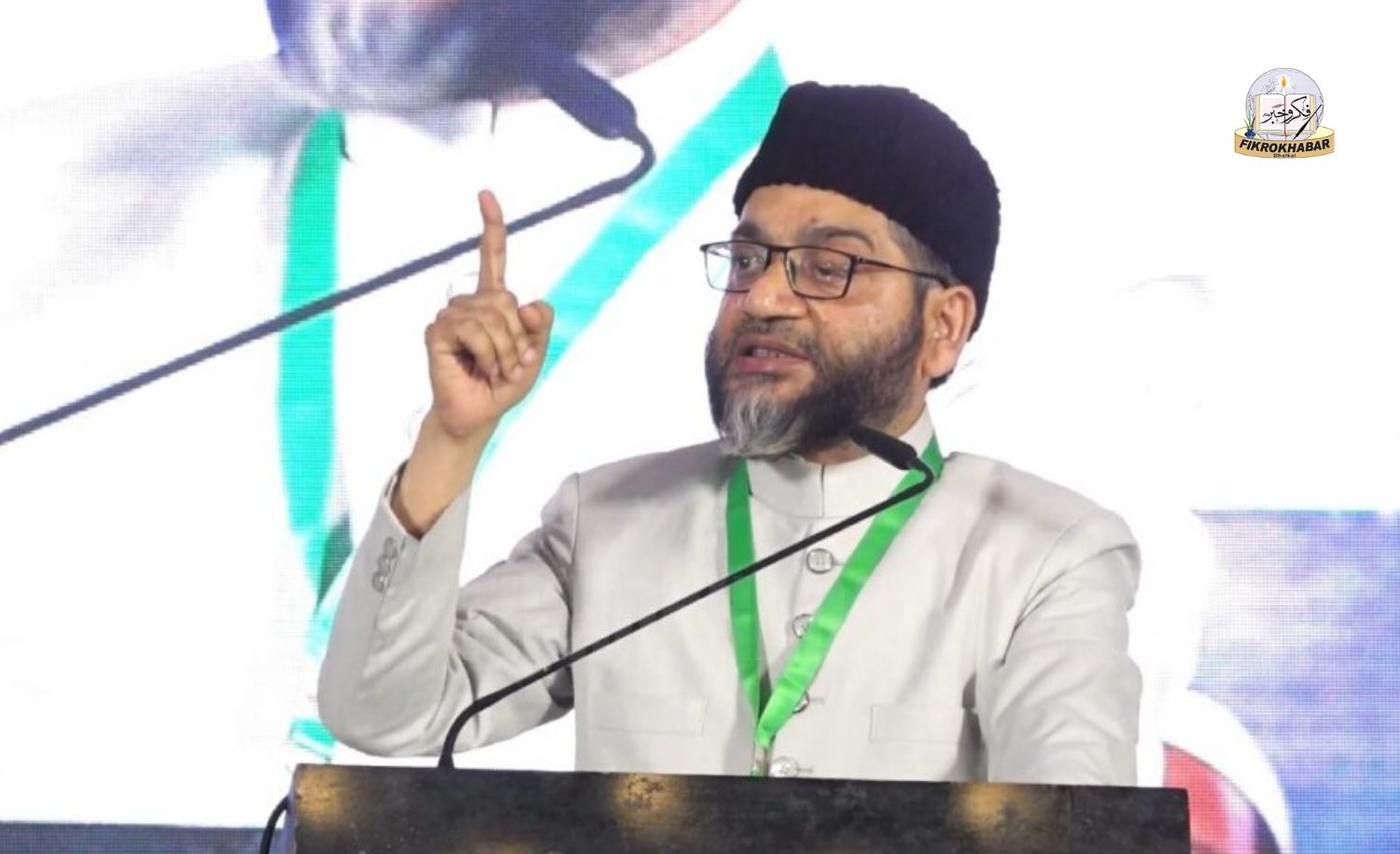

New Delhi: The President of Jamaat-e-Islami Hind (JIH), Syed Sadatullah Husaini, has expressed “profound disappointment and grave concern” over Prime Minister Narendra Modi’s recent visit to Israel, stating that it came at a time when Gaza is facing a severe humanitarian crisis.
In a statement to the media, Husaini said the Prime Minister’s public engagements with Israeli leadership had disappointed many Indians who view India as a historic voice for justice and the oppressed. He said that at a time when several international human rights organisations and United Nations officials have criticised Israel’s actions in Gaza, the absence of what he described as a “clear and unambiguous condemnation” was “unexpected and painful.”
The JIH President noted that India has historically opposed apartheid, colonial occupation and racial discrimination, and said the country’s moral stature in global affairs was built on values of justice, compassion and solidarity with the oppressed.
Referring to the Palestinian issue, Husaini said that Israel’s occupation of Palestinian territories and the ongoing violence in Gaza represent a “grave moral crisis for humanity.” He argued that symbolic gestures of warmth toward Israeli leadership, without equally clear articulation of concern for Palestinian suffering, had caused anguish among many Indians.
He further stated that India’s freedom struggle was rooted in resistance to colonial domination and injustice, and that India’s global standing has long been associated with its commitment to truth, justice and human dignity. Any perceived moral ambiguity in the face of large-scale suffering, he said, risks weakening that legacy.
Reaffirming JIH’s position, Husaini said the organisation has consistently supported the legitimate rights of the Palestinian people and opposed colonial occupation and apartheid, describing its stance as based on universal moral principles rather than political expediency.
He concluded by saying that India’s true strength lies not only in its economic and strategic influence, but also in its moral voice, which he urged the country’s leadership to uphold during moments of global crisis.