Islamic Scholar Issues Stark Warning on the Dangers of Debt and Its Spiritual Consequences
In a powerful Jummah sermon, Maulana Zakariya Barmawer outlines the severe Islamic stance on unpaid loans and extravagant borrowing.
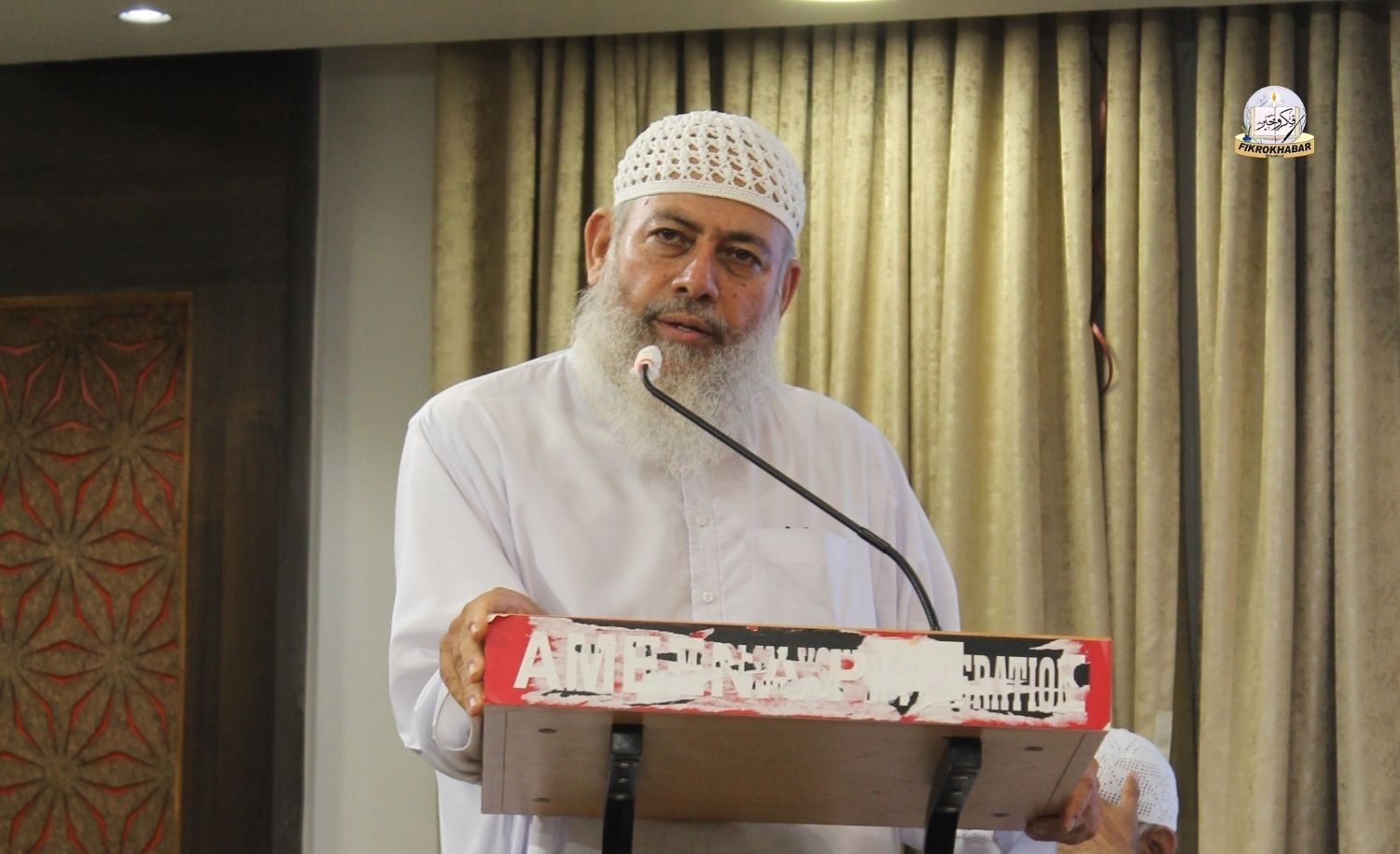

In a sermon delivered at Madeena Masjid in Bhatkal, Islamic scholar Maulana Zakariya Barmawer Nadvi delivered a compelling address on the critical Islamic perspective regarding debt (qarz), warning of its spiritual and worldly dangers.
The scholar began by emphasizing that Islam provides a complete guide to life, noting that classical texts of Islamic law dedicate far more space to transactions and social dealings (mu’amalat) than to acts of worship (ibadat). This, he stated, underscores the faith’s deep concern for ethical financial conduct.
Maulana Zakariya clearly distinguished between giving a loan, which is a virtuous act, and taking one, which he described as a source of “nightly grief and daily disgrace.” He narrated a profound historical precedent, stating that the Prophet Muhammad (PBUH) would refuse to lead the funeral prayer for a deceased person who had outstanding debts, unless a relative or someone else stepped forward to settle them. This practice, the scholar explained, highlights the gravity with which Islam views financial obligations.
The sermon took a serious turn as the scholar addressed the root causes of problematic debt in modern times. He critiqued the culture of extravagance and showing off, where individuals take loans often interest-bearing (haraam) loans from banks—to fund lavish weddings, buy expensive cars, or maintain lifestyles beyond their means. “When a poor person tries to imitate the rich,” he cautioned, “the need for debt arises, and then he often resorts to forbidden loans.”
Citing a Hadith, Maulana Barmawer delivered one of his most poignant warnings: even a martyr (shaheed) who dies in the path of God will have all their sins forgiven—except their unpaid debts. This, he stressed, demonstrates the unique and severe spiritual weight of unsettled financial obligations.
He also provided guidance for both lenders and borrowers. Lenders were advised to show leniency and patience to those in genuine hardship, even to the point of forgiveness, an act of great virtue. Borrowers were urged to take loans only out of necessity, with a firm intention to repay, and to do so promptly.
The scholar concluded with a fervent plea for the community to settle their debts and avoid incurring unnecessary ones, reminding the congregation that on the Day of Judgment, wealth will be meaningless, and only good deeds and bad deeds will matter. He prayed for protection from the burden of debt and the oppression of creditors.
Source: Jummah sermon at Madeena Masjid, Bhatkal, by Maulana Zakariya Barmawer Nadvi.