Iran Shuts Down Airspace for Hours Amid Rising US Tensions
Commercial flights were grounded and diverted as Iran closed its skies without warning, raising concerns about potential military activity in the region.
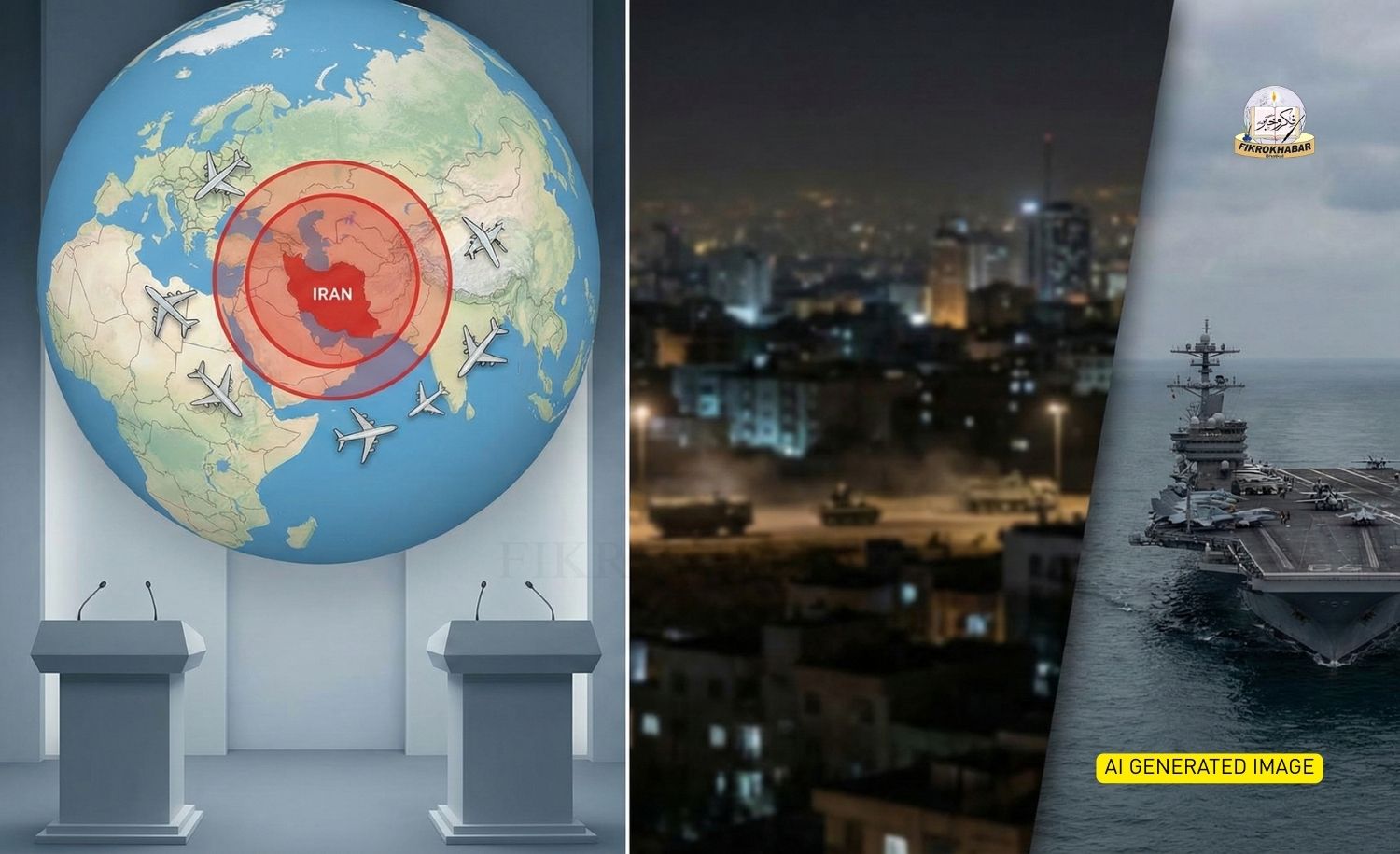

Iran unexpectedly closed its airspace to all commercial flights early Thursday morning, leaving airlines scrambling to reroute planes. The shutdown lasted more than four hours and ended just after 7 a.m. local time, with no official explanation provided by Iranian authorities.
The closure affected a crucial air corridor used by airlines traveling between East and West. International carriers were forced to fly around Iranian territory, taking longer routes either to the north or south of the country.
This isn’t the first time Iran has taken such action. The country previously shut its airspace during its 12-day conflict with Israel in June and during earlier exchanges of fire in the Israel-Hamas war. However, there were no immediate signs of active fighting this time.
Aviation safety experts quickly warned airlines about the potential risks. SafeAirspace, a website that tracks dangerous airspace, noted that many carriers have already reduced or stopped flying through the region. The organization raised concerns about possible missile launches or increased air defense activity that could put civilian aircraft at risk.
Iran has a troubling history with commercial aviation safety. In 2020, Iranian forces mistakenly shot down Ukraine International Airlines Flight PS752, killing all 176 people on board. Iranian officials initially denied responsibility before eventually admitting to the tragic error.
Military Movements in the Gulf
The airspace closure happened alongside other concerning developments. The United States advised some personnel at a major military base in Qatar to evacuate. Similarly, the US Embassy in Kuwait temporarily stopped its staff from visiting several American military installations in the country.
Mixed Messages from Washington and Tehran
US President Donald Trump made unclear statements Wednesday about potential American action against Iran. He told reporters that he had been informed Iran stopped planned executions, though he didn’t provide details. Just a day earlier, Trump had told Iranian protesters that “help is on the way” and promised his administration would respond to the Iranian government’s violent response to demonstrations.
Meanwhile, Iran’s Foreign Minister Abbas Araghchi appeared to take a softer approach. In an interview with Fox News, he encouraged diplomatic talks over military action. “Between war and diplomacy, diplomacy is a better way,” Araghchi said, while acknowledging Iran hasn’t had positive experiences dealing with the United States in the past.
Deadly Crackdown on Protests
The tension comes as Iran continues to face massive nationwide protests. The head of Iran’s judiciary recently stated that authorities must quickly punish thousands of detained protesters. Human rights groups are warning that mass executions could happen soon.
According to the US-based Human Rights Activists News Agency, at least 2,615 people have been killed in the government’s crackdown on demonstrations. This death toll is higher than any other period of unrest in Iran in recent decades, comparable only to the violence during the country’s 1979 Islamic Revolution.
The situation remains unstable, with the international community watching closely for any signs of further escalation between Iran and the United States.