India–US Trade Pact to Open $30 Trillion Market for Indian Exporters: Piyush Goyal
Commerce minister says interim agreement will boost MSMEs, farmers, and job creation while protecting sensitive sectors.
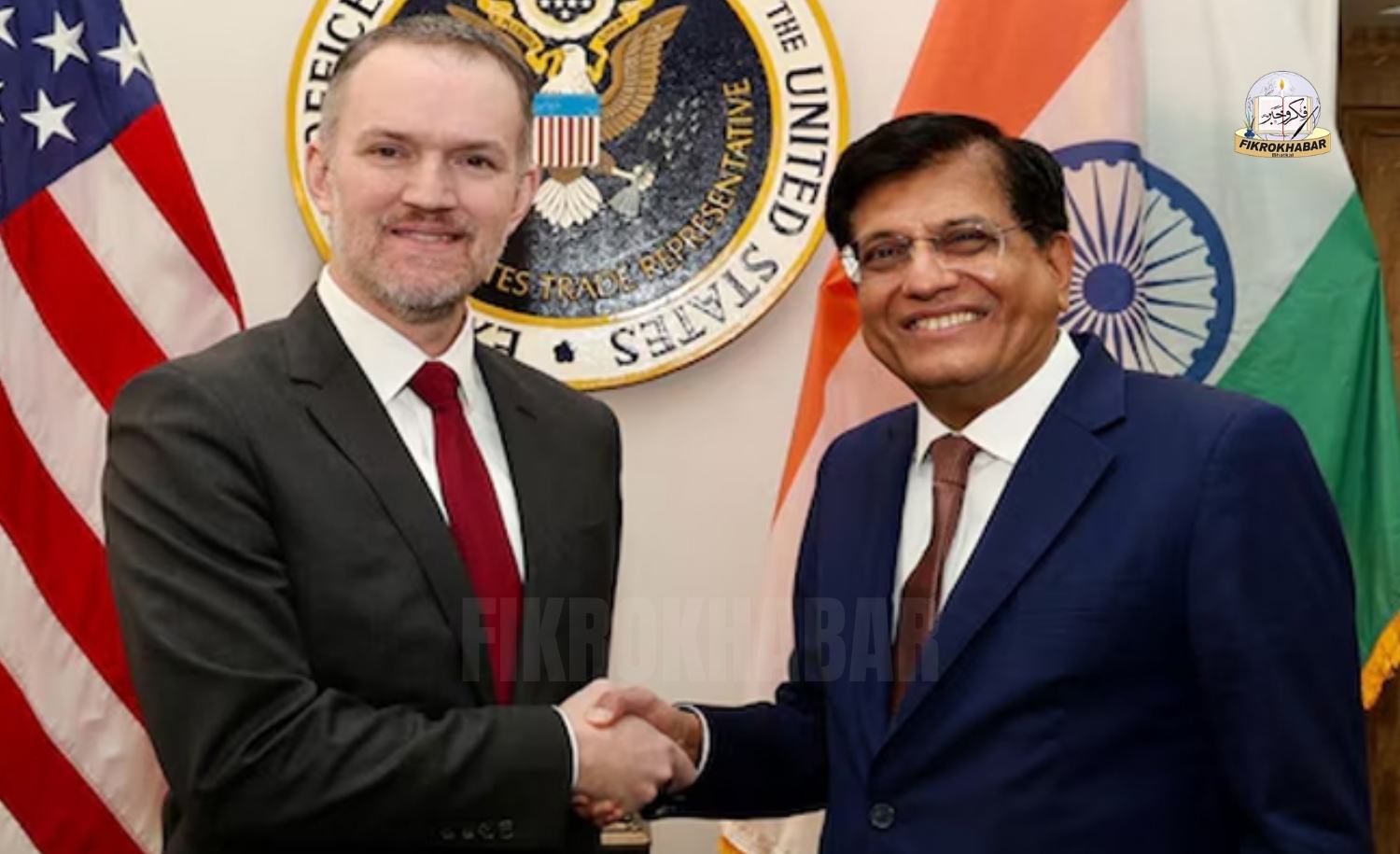

India’s proposed trade agreement with the United States is expected to open access to a $30 trillion market for Indian exporters, particularly benefiting small businesses, farmers, and fishermen, Commerce and Industry Minister Piyush Goyal said on Saturday.
According to the minister, the expansion of exports under the agreement will generate lakhs of new employment opportunities, especially for women and young people across the country.
In a social media post, Goyal said that under the leadership of Prime Minister Narendra Modi, India has reached a framework for an interim trade agreement with the US. He said the deal would significantly enhance market access for Indian exporters.
As part of the framework, the United States will reduce reciprocal tariffs on Indian goods to 18 per cent. This move is expected to create major export opportunities in sectors such as textiles and apparel, leather and footwear, plastic and rubber products, organic chemicals, home décor items, handicrafts, and select categories of machinery.
The minister also said that import duties will be reduced to zero on several key products, including generic medicines, gems and diamonds, and aircraft components. This, he added, will further strengthen India’s export competitiveness and support the government’s Make in India initiative.
India will also receive specific exemptions on aircraft parts, tariff rate quotas for auto components, and negotiated outcomes for generic pharmaceuticals, which are expected to result in tangible export gains in these sectors.
At the same time, Goyal emphasised that the agreement fully protects India’s sensitive agricultural and dairy sectors. He said products such as maize, wheat, rice, soybeans, poultry, milk, cheese, ethanol, tobacco, certain vegetables, and meat will remain safeguarded to ensure farmers’ interests and rural livelihoods are not affected.
The proposed trade pact is being projected by the government as a balanced agreement aimed at expanding exports while protecting key domestic sectors.