How Polarisation Politics Turn Owaisi Into a Long-Term Asset for the BJP
A closer look at how sustained communal polarisation and media narratives may be reshaping Indian politics to the BJP’s advantage.

Across many parts of India today, especially among Muslim youth, there is a visible sense of anger, fear, humiliation, and political alienation. At the same time, there is a growing emotional attachment to a particular leader and party. This shift has not happened suddenly, nor is it the result of one speech, one election, or one riot. It is the outcome of a long-term political strategy built on polarisation.
To understand the present political climate, the key question is not simply why the BJP is hostile toward Muslims. The more important question is why this hostility continues even after the party has consolidated power at the Centre and in several states. When the government exercises strong influence over institutions such as investigative agencies, the police, administration, media, and universities, why does communal tension remain central to political messaging?
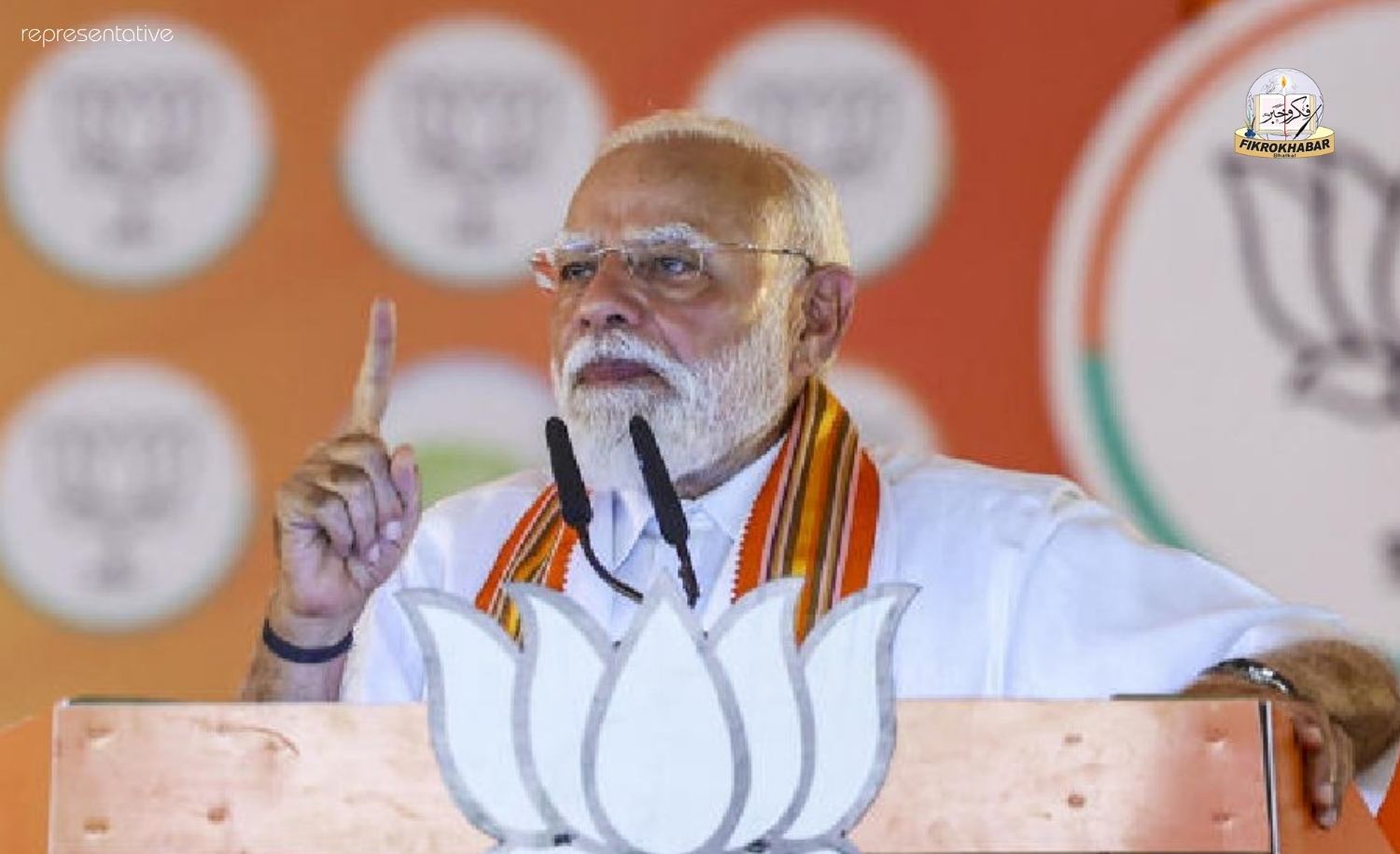
The answer lies in electoral strategy. For long-term political dominance, the BJP requires a constant “enemy” that can be used to mobilise the majority population. Over the years, Muslims have been positioned as this threat. Fear, suspicion, and anger help consolidate votes, particularly when elections are framed as a choice between “us” and “them.”
Initially, this strategy relied heavily on historical narratives. Mughal rulers like Aurangzeb and Babur were repeatedly invoked during elections, portrayed as symbols of oppression. But over time, these references began to lose their emotional impact on younger voters. A new approach was needed — one rooted in contemporary politics rather than distant history.
This led to the emergence of a new phase: the projection of a modern Muslim political identity with a visible, outspoken leader. The idea was simple — if Muslims are pushed into a separate political space with a distinct leader, Hindu consolidation would follow naturally on the opposite side. This form of direct polarisation benefits the BJP electorally.
Communal riots have played a crucial role in sustaining this environment. In India, many major riots have been preceded by deliberate provocation. From Bhagalpur and Meerut to Muzaffarnagar and Gujarat, multiple inquiry reports and court cases have pointed to the involvement of Hindutva groups. Yet, over time, public memory has blurred, and blame has often shifted toward so-called secular parties.
The Bhagalpur riots remain a striking example. Provocative religious processions were taken through Muslim neighbourhoods, tensions were deliberately escalated, and a massacre followed. Despite well-documented evidence, many young Muslims today believe that secular political parties were responsible for the violence.
Repeated cycles of riots, police action, lack of justice, and media trials create deep frustration within a community. Eventually, a question emerges: Who speaks for us? This demand for representation did not arise organically — it was shaped by years of exclusion and fear.
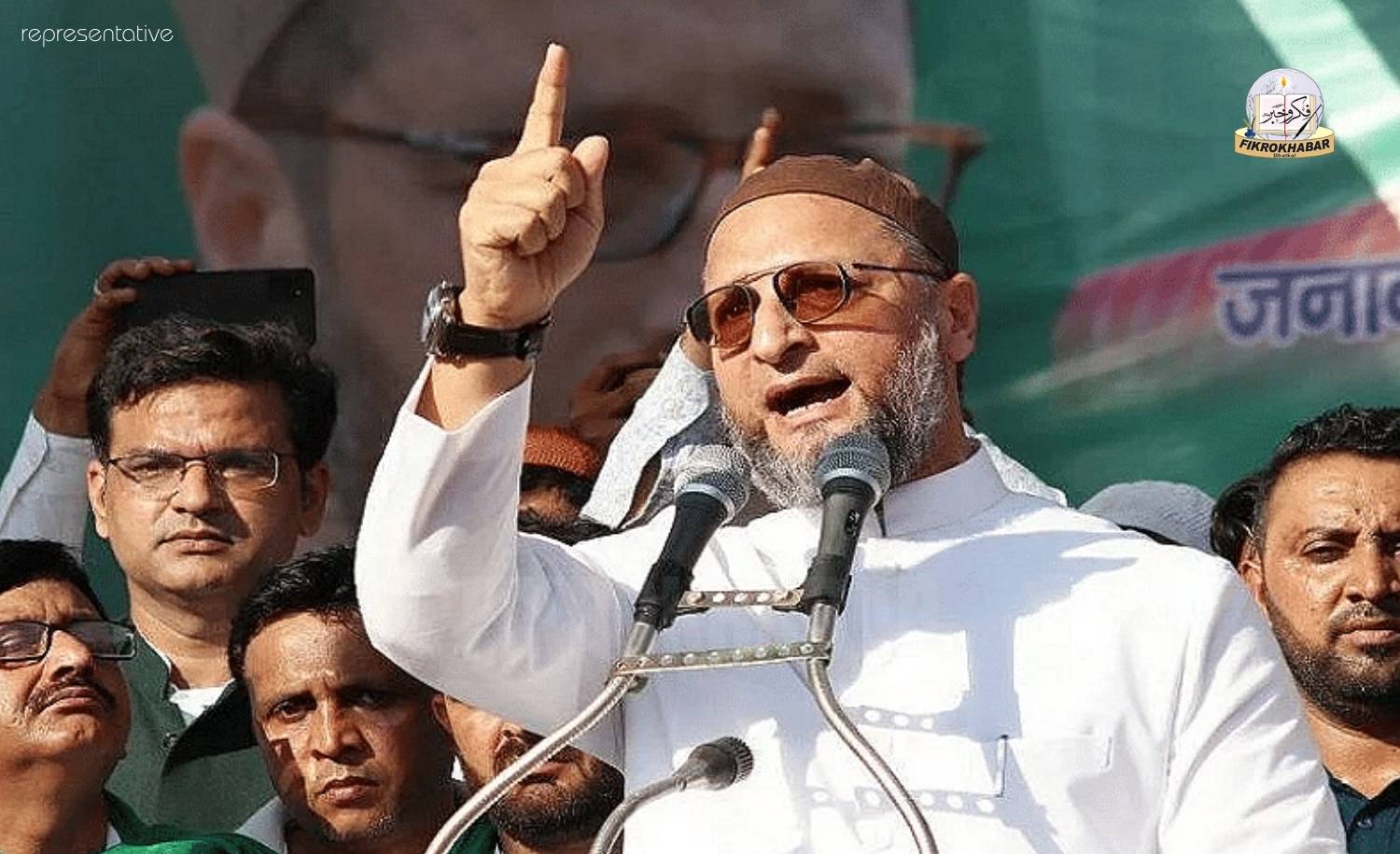
Once this demand existed, a political supply followed. Although AIMIM leader Asaduddin Owaisi had been active in politics for decades, his national media presence expanded rapidly in recent years. He began appearing regularly in television debates and was projected as the primary Muslim voice on national issues. During elections, particularly in states like West Bengal, media narratives often framed contests as “Owaisi versus regional leaders,” giving him disproportionate visibility despite limited electoral presence.
For many young Muslims watching television, seeing someone who spoke their language and expressed their anger created a powerful emotional connection. Over time, this cemented a political hero figure. Meanwhile, the BJP remained positioned as an indirect beneficiary rather than the main target of this anger.
Controversies such as restrictions on religious clothing, bulldozer demolitions, mob lynchings, and hate speech intensified feelings of injustice. Yet, frustration was often directed toward secular parties like the Congress or the Samajwadi Party, rather than toward the ruling party. Political roles became fixed: one leader as the defender, others as betrayers.
The electoral strategy of contesting mainly Muslim-majority constituencies further reinforces this pattern. When Muslim votes are divided, secular candidates lose, and the BJP gains. Whether Owaisi wins or loses, the larger outcome often favours the ruling party by deepening polarisation.
The long-term consequences are serious. Shared Hindu–Muslim political spaces are shrinking. Secular politics is weakening. Muslims are increasingly pushed into political and social isolation. Meanwhile, polarisation strengthens the BJP’s hold on power.
The larger concern goes beyond any single community. If voters continue to overlook those who benefit from communal divisions and instead turn against forces advocating shared politics, the damage will not be limited to Muslims alone. It will erode the foundations of India’s democratic and pluralistic system.