Gujarat Assembly Passes Uniform Civil Code Bill Amid Opposition Protests
New law aims to standardise personal laws across communities, but faces strong criticism from Congress and other opposition parties.
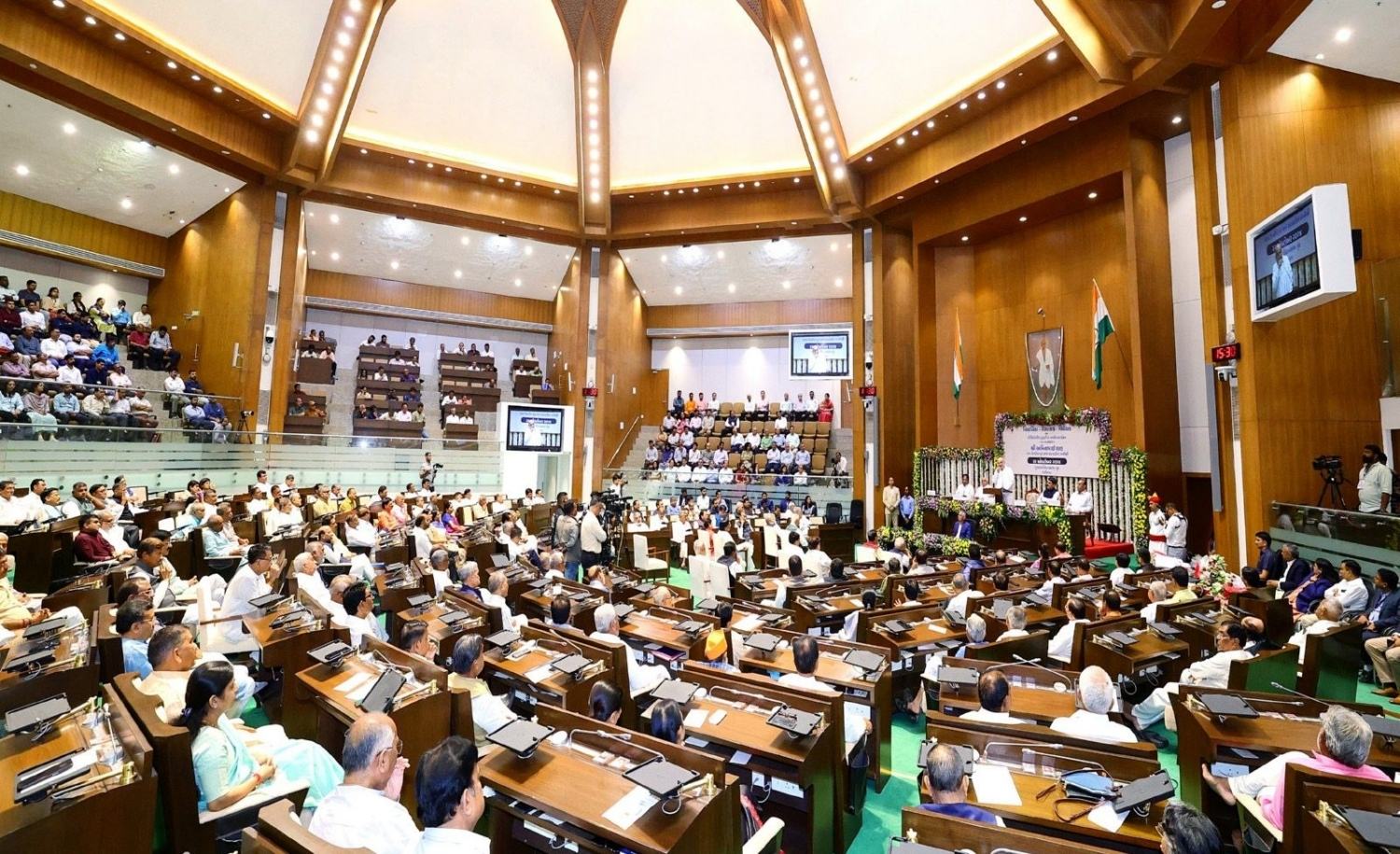

The Gujarat Assembly on Tuesday passed the Gujarat Uniform Civil Code (UCC) Bill, 2026, introducing a common legal framework for matters such as marriage, divorce, inheritance, and live-in relationships, regardless of religion.
The bill, which will apply to residents of Gujarat as well as those living outside the state, excludes Scheduled Tribes (STs) and certain groups whose customary practices are protected under the Constitution.
The legislation was approved by a majority vote, despite opposition from the Congress and the Aam Aadmi Party (AAP), both of which had urged the government to send the bill to a select committee for further review.
Chief Minister Bhupendra Patel, who presented the bill, said it is based on constitutional principles and aims to ensure equality and legal clarity. He highlighted key provisions, including mandatory registration of marriages within 60 days, with penalties of up to ₹10,000 for non-compliance.
The law also introduces strict measures against forced or fraudulent marriages, with penalties of up to seven years in jail. Bigamy and polygamy will also attract similar punishment.
Another significant provision is the mandatory registration of live-in relationships. Failure to do so could result in up to three months of imprisonment or a fine of ₹10,000. Patel stated that this measure is intended to provide legal protection, especially for women.
Additionally, the bill ensures equal inheritance rights for sons and daughters and establishes uniform procedures for divorce across communities.
With this move, Gujarat becomes the second state in India, after Uttarakhand, to pass a Uniform Civil Code law.
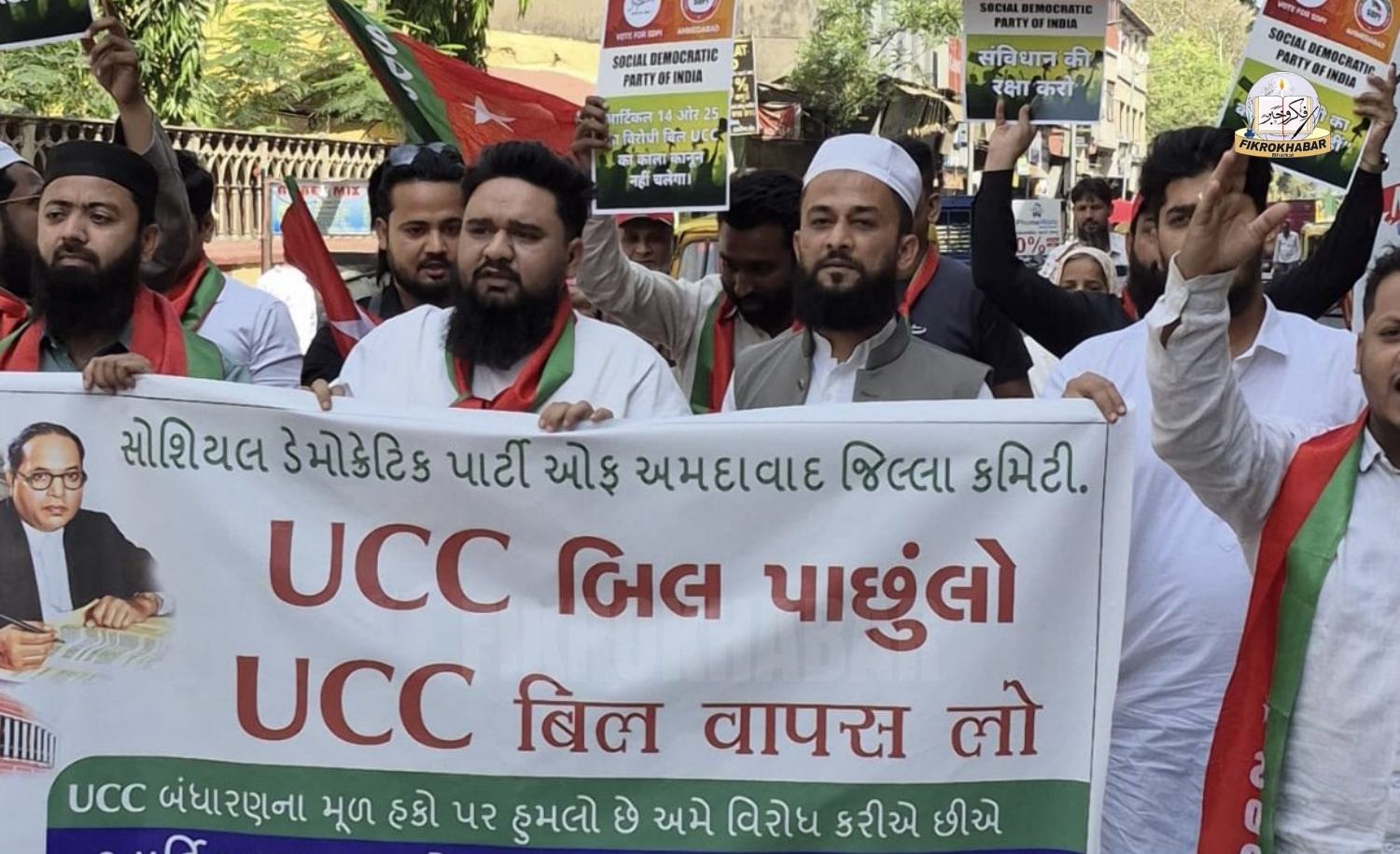
However, the opposition has strongly criticised the legislation. Congress leaders argued that the bill was introduced in haste, possibly with an eye on the 2027 Assembly elections. They also raised concerns about its constitutional validity.
Some lawmakers expressed apprehension that the law could interfere with religious practices, particularly those related to marriage and inheritance in the Muslim community. They indicated plans to protest and challenge the legislation in court.