Govt Allows Non-Muslim Refugees to Stay in India Without Passport If They Arrived Before 2025: MHA

New Delhi:
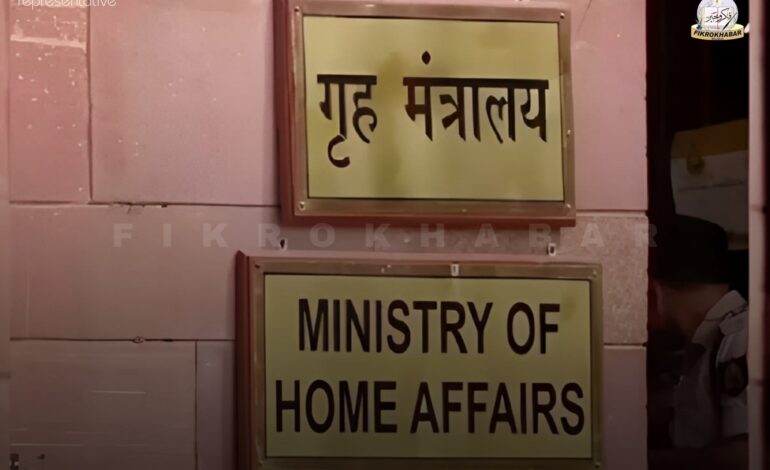
The Union Home Ministry has issued a fresh directive allowing members of six minority communities from Pakistan, Afghanistan, and Bangladesh to remain in India without valid travel documents — provided they entered the country on or before December 31, 2024.
This decision, announced Monday, applies to Hindus, Sikhs, Buddhists, Jains, Parsis, and Christians who fled religious persecution or fear of persecution in their home countries. The move significantly updates the framework established under the Citizenship Amendment Act (CAA), which had earlier set the entry cut-off date as December 31, 2014.
The order, issued under the newly enacted Immigration and Foreigners Act, 2025, does not automatically grant these individuals citizenship, but it provides them legal protection from deportation even in the absence of a passport or visa.
The directive reads:
“A person belonging to a minority community in Afghanistan, Bangladesh, and Pakistan — namely, Hindu, Sikh, Buddhist, Jain, Parsi, and Christian — who was compelled to seek shelter in India due to religious persecution or fear of religious persecution and entered India on or before December 31, 2024, shall be exempted from passport and visa requirements.”
The Immigration and Foreigners Act, 2025, which came into effect the same day, aims to consolidate laws governing the entry, stay, and exit of foreigners in India. It provides the central government broad authority to set conditions for visas, registration, and deportation of foreign nationals.
No Citizenship Promise, but Legal Stay Allowed
Unlike the CAA — which allows Indian citizenship for non-Muslim minorities who entered before 2014 — the new rule does not grant a direct path to citizenship for those arriving after that date. Instead, it offers a legal safeguard for people already living in India without documentation, giving them temporary protection from immigration violations.
Muslims Remain Excluded
As with the CAA, Muslims remain excluded from the new provision. This continued exclusion has reignited debate around the secular nature of Indian citizenship laws. The CAA, passed in 2019 and implemented in 2024, sparked nationwide protests due to fears of discrimination and concerns over the potential impact when combined with the National Register of Citizens (NRC).
Critics argued that the law violated the Indian Constitution’s secular principles by linking citizenship with religion. Supporters of the legislation maintain it is a humanitarian effort aimed at protecting persecuted minorities in neighboring Islamic countries.
The Ministry of Home Affairs has not clarified whether those covered under this new order will eventually be considered for naturalization or citizenship, nor has it addressed the legal pathway for individuals not included in these six communities.
With this shift, the government appears to be extending temporary relief to undocumented non-Muslim refugees while maintaining its stance on religious qualifications for citizenship.
Source: Union Home Ministry Order, Government of India