Despite Forming 17% of Bihar’s Population, Muslim Representation Remains Minimal in Assembly Polls
Major parties, including BJP, JD(U), and RJD, disappoint Muslim voters with limited ticket allocation despite their significant share in the state’s population.

Patna: In the ongoing Bihar Assembly elections for 243 seats, the issue of Muslim representation has once again come to the forefront. Despite forming nearly 17% of the state’s population, Muslims have been given only a token presence by most major political parties.
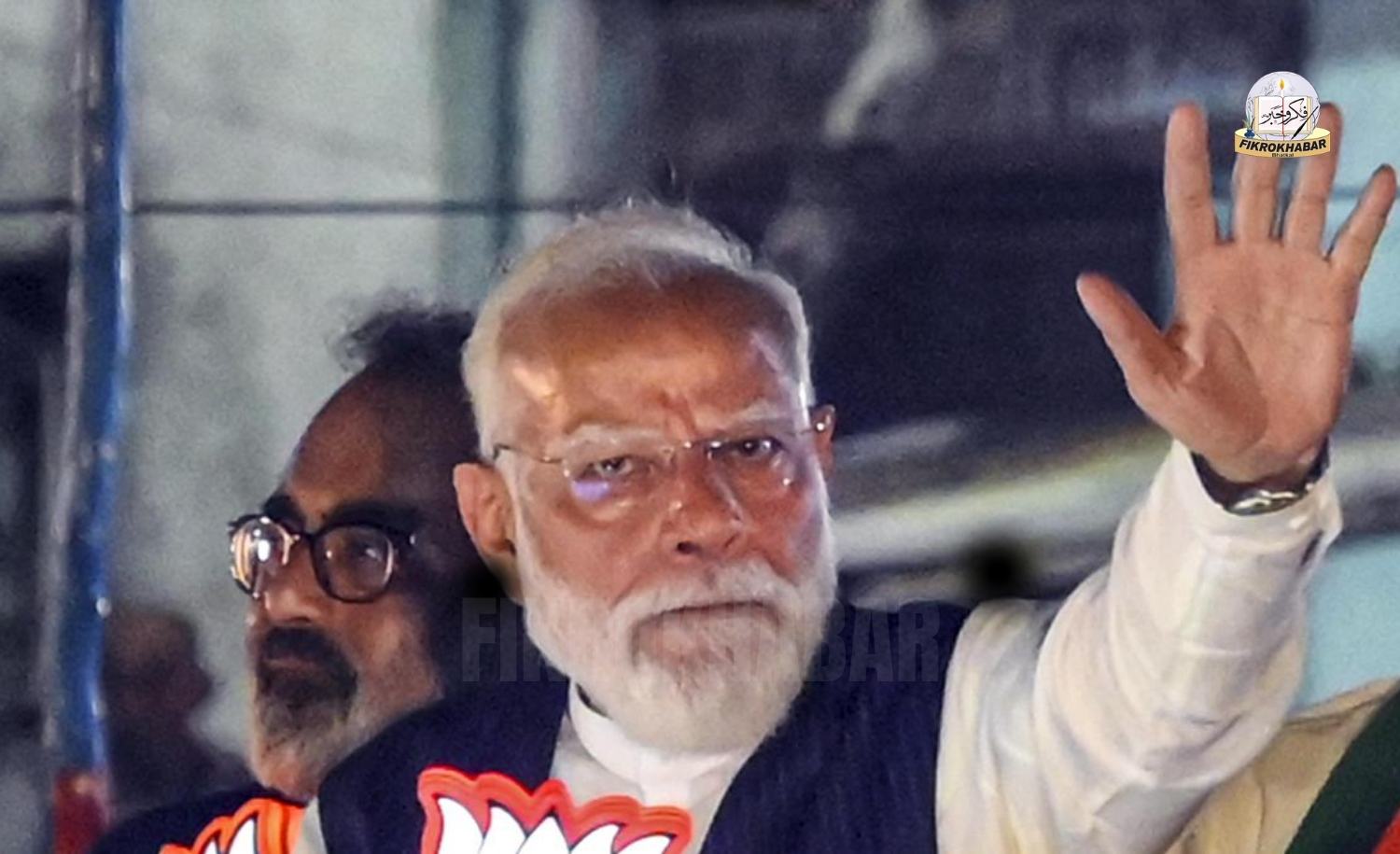
The Bharatiya Janata Party (BJP) has not fielded a single Muslim candidate, while its allies — Janata Dal (United) and Lok Janshakti Party (Ram Vilas) — have nominated only four and one Muslim candidates, respectively.
On the opposition side, Rashtriya Janata Dal (RJD) led by Tejashwi Yadav has so far allotted tickets to 18 Muslim leaders, and the Congress has given four tickets to Muslim candidates. Meanwhile, Asaduddin Owaisi’s AIMIM has fielded 21 Muslim candidates out of its 23 announced nominees. Prashant Kishor’s Jan Suraaj Party, which had earlier promised to field 40 Muslim candidates, has also fallen short of that commitment in its released list.
Muslim Population and Representation
As per the 2011 Census, Bihar had 1.75 crore Muslims, accounting for 16.87% of the state’s total population. However, political parties that often champion the slogan “Jiski jitni abaadi, uski utni hissedari” (representation in proportion to population) have failed to reflect that in their candidate lists.
BJP’s Track Record
The BJP’s exclusion of Muslim candidates comes as no surprise to political observers. The party currently has no Muslim MPs in either the Lok Sabha or the Rajya Sabha. Analysts say this reflects the BJP’s long-standing approach toward minority representation.
What has drawn more attention, however, is the JD(U) fielding only four Muslim candidates. Analysts expected Chief Minister Nitish Kumar to give greater representation to the minority community, given his earlier attempts to balance communal politics. But his alignment with the BJP appears to have cost him his popularity among Muslim voters.
RJD’s Representation Strategy
The RJD, traditionally seen as a secular party that has long enjoyed strong Muslim support, has also disappointed many within the community. The party, which is contesting 143 seats, has given over 50 tickets to Yadav candidates, accounting for more than one-third of its total.
According to the 2022 caste-based survey, Yadavs constitute 14.26% of Bihar’s population — around 1.86 crore people. Yet, they have received around 40% of RJD’s tickets, while Muslims, who make up nearly 17%, have been allotted far fewer seats than their demographic share.
Muslims Losing Political Ground
Political commentators argue that Bihar’s political landscape has evolved to favor caste-based and community-specific parties representing Scheduled Castes (SCs), Scheduled Tribes (STs), Extremely Backward Classes (EBCs), and Other Backward Classes (OBCs).
Each of these groups now has its own strong political voice, but Muslims, despite being one of the largest minorities, lack a unified political platform. This fragmentation, analysts say, has led to a steady decline in Muslim representation and influence in Bihar’s political arena.