Delhi Court Grants Sharjeel Imam 10-Day Interim Bail to Attend Brother’s Wedding
JNU scholar, jailed since 2020 in the Delhi riots conspiracy case, allowed temporary release from March 20 to March 30.
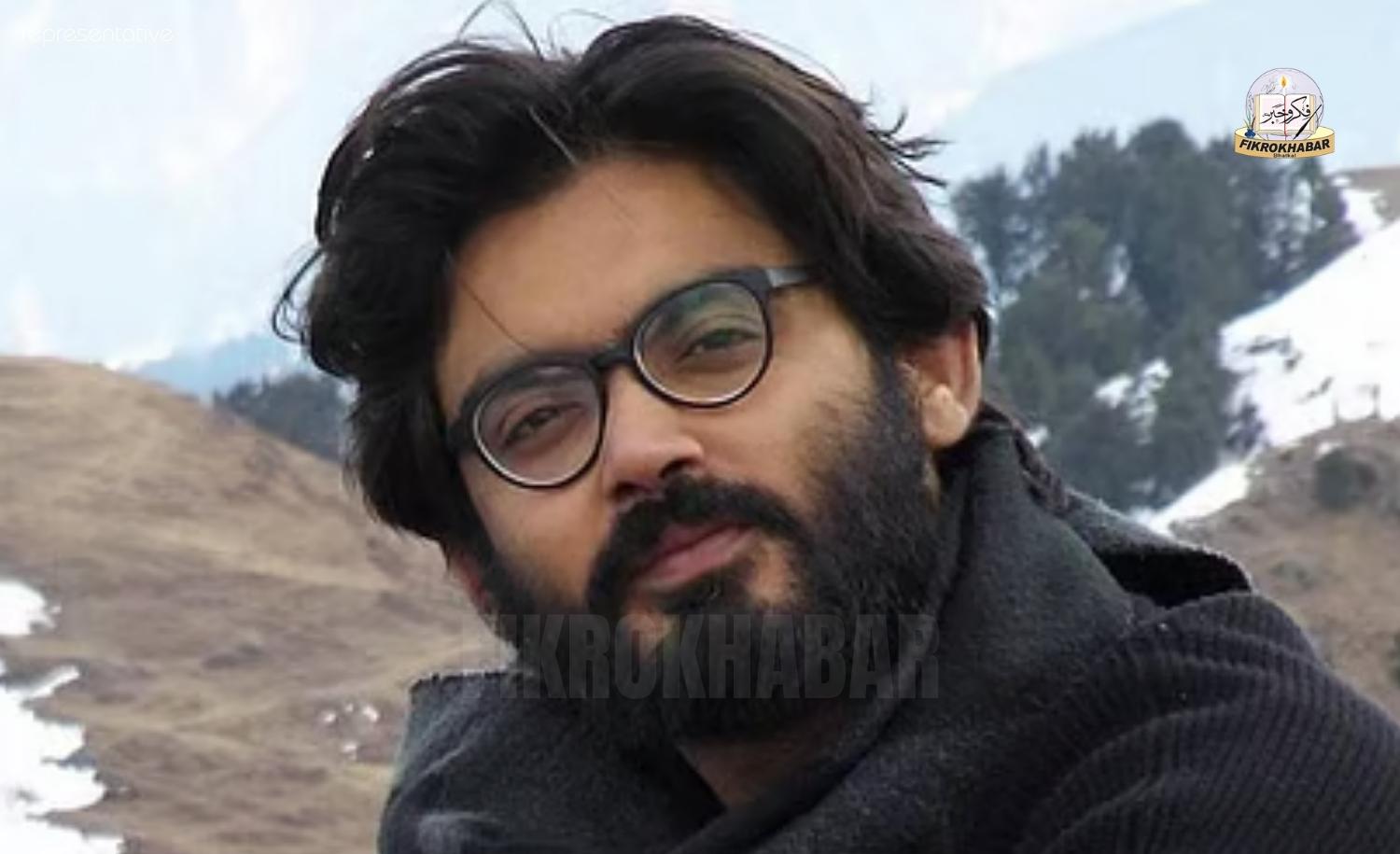

New Delhi: A Delhi court on Monday granted 10 days of interim bail to Sharjeel Imam in connection with the alleged larger conspiracy case linked to the 2020 North-East Delhi violence.
Additional Sessions Judge Sameer Bajpai of the Karkardooma Courts allowed the temporary relief so that Imam can attend his brother’s wedding. According to the court order, the interim bail will be effective from March 20 to March 30, 2026.
The court directed Imam to furnish a personal bond of ₹50,000 along with two sureties of the same amount to secure his release during this period.
While granting the relief, the court imposed several conditions. Imam has been instructed not to contact any witnesses or individuals related to the case. He must share his mobile phone number with the investigating officer and keep it active at all times. The court also barred him from interacting with the media or using social media platforms during the bail period.
Additionally, he has been told to meet only family members, relatives, and friends, and to remain either at his residence or at the wedding venues mentioned in his application.
Sharjeel Imam, a research scholar at Jawaharlal Nehru University (JNU), was arrested on January 28, 2020, during nationwide protests against the Citizenship Amendment Act (CAA). He has spent nearly six years in jail since his arrest and faces charges including sedition and offences under the Unlawful Activities (Prevention) Act (UAPA).
The case against him is part of a larger investigation into the violence that broke out in North-East Delhi in February 2020. Authorities allege that several student activists and protest organisers were involved in a conspiracy that led to the clashes.
Several individuals have been named in the case, including Tahir Hussain, Umar Khalid, Khalid Saifi, Ishrat Jahan, Meeran Haider, Gulfisha Fatima, Shifa-Ur-Rehman, Asif Iqbal Tanha, Shadab Ahmed, Tasleem Ahmed, Saleem Malik, Mohd Saleem Khan, Athar Khan, Safoora Zargar, Faizan Khan, Devangana Kalita, and Natasha Narwal.
Imam, now 36, was booked in multiple cases across Delhi, Uttar Pradesh, Assam, Manipur, and Arunachal Pradesh over speeches delivered during protests against the CAA and the proposed National Register of Citizens (NRC).
The Citizenship Amendment Act, passed in 2019, provides a fast-track path to Indian citizenship for non-Muslim migrants—Hindus, Sikhs, Buddhists, Jains, Parsis, and Christians—from Pakistan, Afghanistan, and Bangladesh who entered India before December 31, 2014. Critics argue that the law discriminates on religious grounds by excluding Muslims and violates constitutional guarantees of equality.
During the protests, Imam had called for “chakka jam”, or road blockades, as a form of civil protest. Police later accused him of delivering inflammatory and secessionist speeches and charged him in the Jamia protest case as well as the Delhi riots conspiracy case under UAPA.
Imam is also widely associated with the Shaheen Bagh protest, a nearly 100-day sit-in demonstration led largely by women that became a symbol of opposition to the CAA.
Originally from Jehanabad in Bihar, Imam graduated from the Indian Institute of Technology (IIT) Bombay and worked briefly as a software engineer before pursuing higher studies at JNU. He later completed a Master’s degree in Modern History and Philosophy, qualified the National Eligibility Test (NET), and received the Maulana Azad National Fellowship.
In total, eight FIRs were filed against him across several states. Courts have granted him bail in seven of those cases, including some involving sedition and UAPA charges. However, he continues to remain in jail in the Delhi violence conspiracy case after his bail plea was denied.
Recently, four co-accused in the case — Gulfisha Fatima, Shifa-Ur-Rehman, Mohd Saleem Khan, and Meeran Haider — were released after spending more than 2,000 days in prison.
Meanwhile, the Supreme Court has denied bail to several others accused in the case, including Sharjeel Imam, Umar Khalid, Athar Khan, Khalid Saifi, Tahir Hussain, Salim Malik, and Tasleem Ahmed, stating that a prima facie case under UAPA exists.
The prolonged detention of several accused without trial has drawn criticism from human rights organisations, legal experts, and sections of civil society, who argue that extended incarceration under anti-terror laws raises concerns about due process and civil liberties.