Daily Prayers Not Allowed at Thirupparankundram Hill; Permission Only for Eid Prayers
Supreme Court upholds Madras High Court ruling in Karthigai Deepam dispute
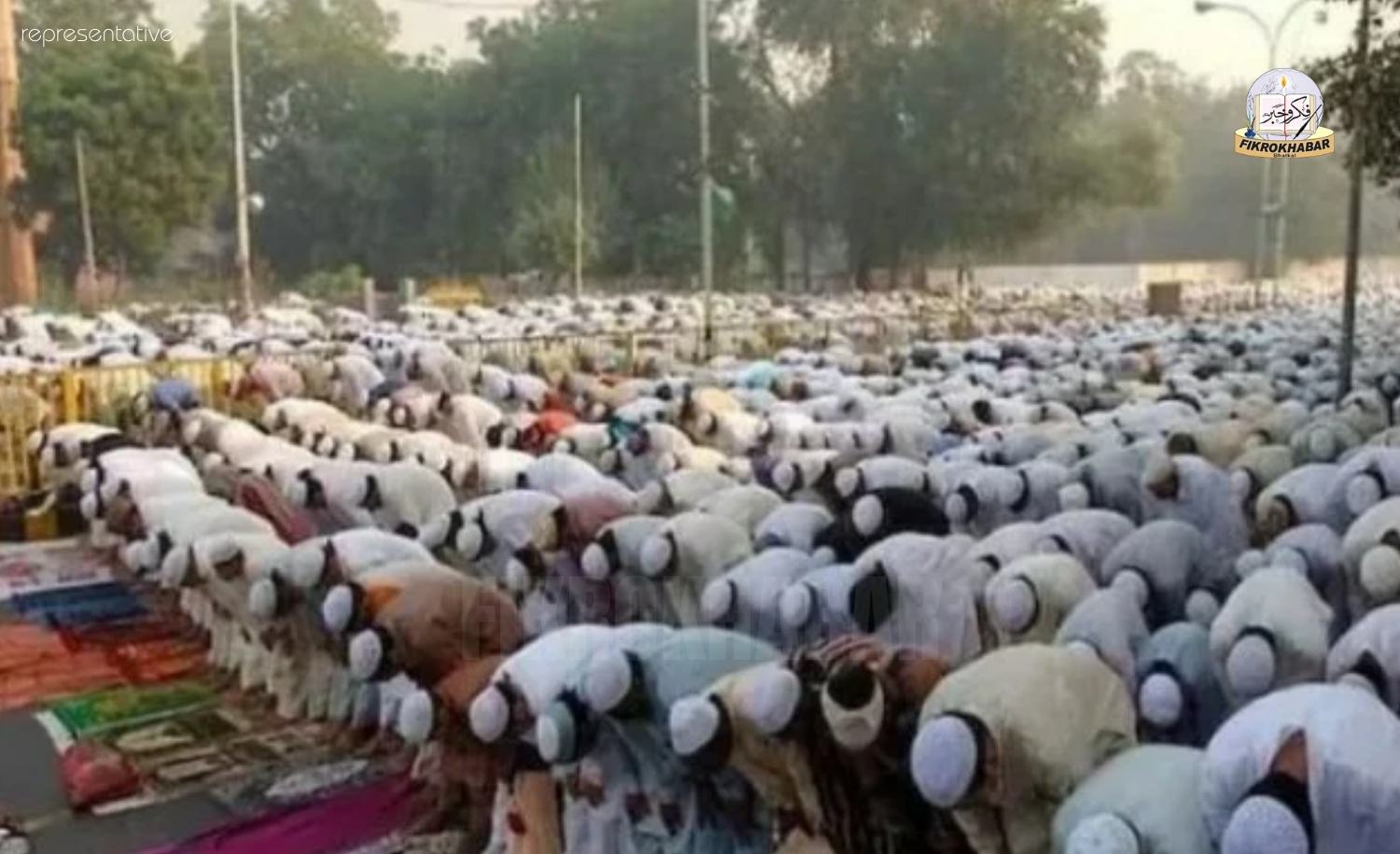

The Supreme Court has upheld the Madras High Court’s decision in the Karthigai Deepam dispute related to Thirupparankundram Hill, ruling that Muslims will not be allowed to offer daily prayers at the site. According to the order, prayers may be offered only on Ramzan (Eid-ul-Fitr) and Eid-ul-Adha (Bakrid) at the Nellithoopu area of the hill.
The court clarified that permission for regular, daily namaz at the location has not been granted. With this ruling, the Supreme Court declined to interfere with the Madras High Court’s earlier judgment, effectively maintaining the restrictions.
Thirupparankundram Hill’s Nellithoopu area is associated with the Sikandar Badusha Aulia Dargah, which claims ownership of the land. At the foothill of the same hill stands the Subramania Swamy Temple, and the hill itself is traditionally regarded by followers of Sanatan Dharma as the sacred abode of Lord Subramania. Due to the presence of both the temple and the dargah on the hill, disputes have arisen over religious practices such as offering prayers and animal sacrifice.
In October last year, the Madras High Court had imposed a ban on animal sacrifice in the area and also denied permission for daily prayers by the Muslim community. Challenging this decision, an imam associated with the dargah filed a petition before the Supreme Court.
A bench comprising Justice Aravind Kumar and Justice P. B. Varale heard the matter and refused to interfere with the High Court’s order, observing that the decision struck a reasonable balance.
It is also noteworthy that in December last year, the Madras High Court had allowed the lighting of lamps at a spot called Deepathon near the dargah. That order triggered controversy, with the Tamil Nadu government citing concerns over law and order and refusing to implement the directive. The High Court later initiated contempt proceedings against the state government for non-compliance.