Congress Calls India-US Trade Pact an ‘Ordeal’, Targets PM Modi After US Court Ruling
Opposition questions timing of interim deal as US Supreme Court strikes down Trump’s global tariffs.
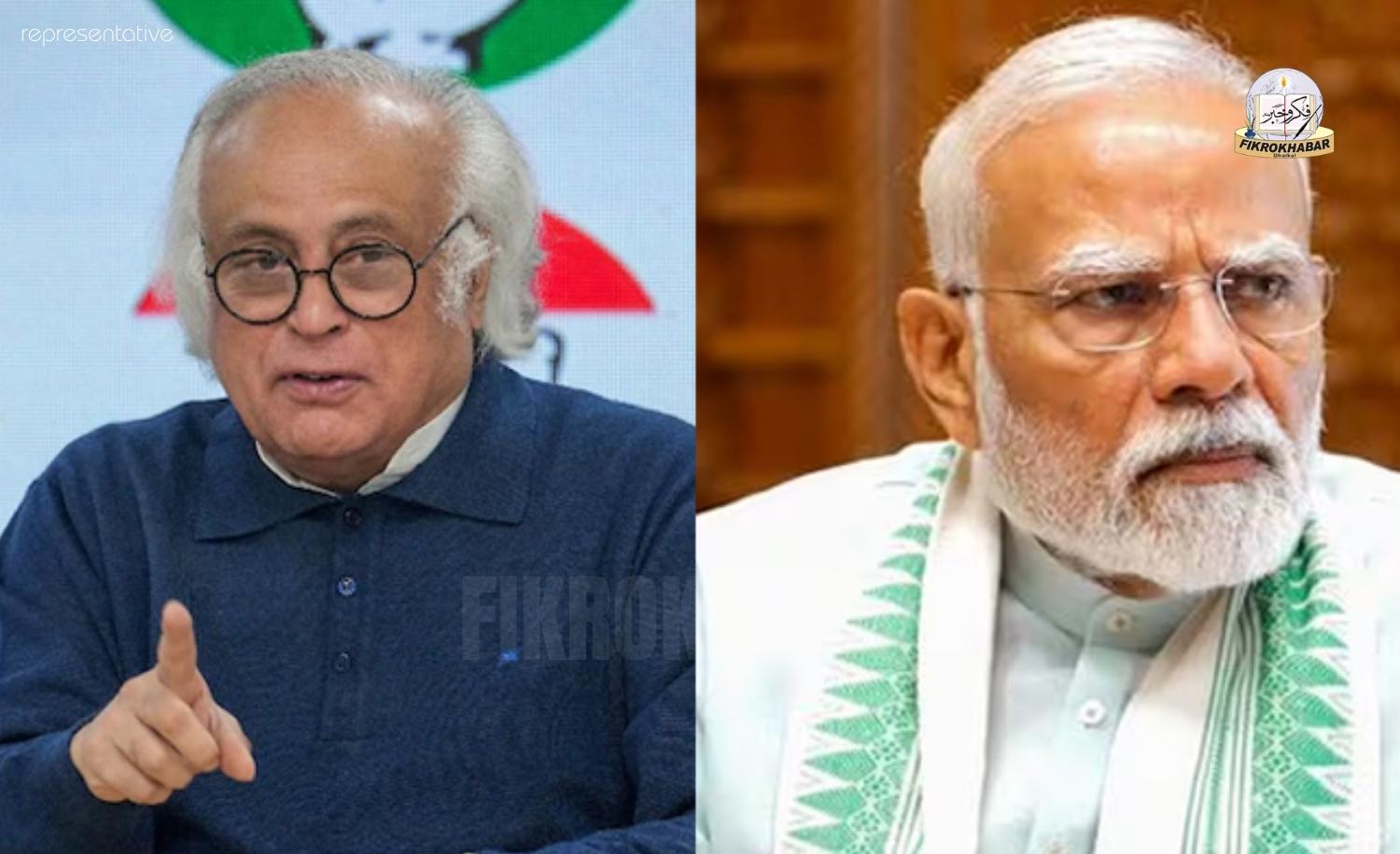

New Delhi: The Indian National Congress on Saturday sharply criticised the India-US interim trade agreement, calling it an “ordeal” imposed on the country due to Prime Minister Narendra Modi’s alleged “desperation and surrender”.
The remarks came a day after the Supreme Court of the United States struck down US President Donald Trump’s sweeping global tariff policy in a 6-3 ruling.
Congress general secretary (communications) Jairam Ramesh said that if the Indian government had waited just 18 more days, the country might not have been “cornered into a one-sided trade deal”.
In a post on X, Ramesh claimed that Prime Minister Modi was in a hurry to protect his “fragile image” and that this urgency led to India accepting terms that could hurt farmers and compromise national sovereignty.
Questions Over Timing of Deal
Ramesh pointed out that on February 2, 2026, President Trump had announced that the India-US trade deal had been finalised, describing it as being concluded “out of friendship and respect” for Prime Minister Modi.
He questioned what prompted the sudden announcement that night and asked what developments in the Lok Sabha earlier that day may have led to the decision.
“The India-US trade deal is really an ordeal that India is being subjected to by the Prime Minister’s desperation and surrender,” Ramesh said.
On Friday, the Congress had welcomed the US Supreme Court’s decision to strike down Trump’s tariff strategy, calling it proof that the American system of checks and balances remains strong.
“Hats off to the US Supreme Court for striking down President Trump’s entire tariff strategy,” Ramesh wrote, noting that the 6-3 verdict was decisive.
Trump Says ‘Nothing Changes’
Despite the court ruling, Trump has maintained that the India trade agreement remains unaffected.
Speaking at the White House, he said, “Nothing changes. They’ll be paying tariffs, and we will not be paying tariffs.” He described the deal as a “reversal” of previous arrangements and claimed it now favours the United States.
Trump also praised his relationship with Prime Minister Modi, calling it “great”, and reiterated his claim that he had used the threat of tariffs to defuse tensions between India and Pakistan last year.
Earlier this month, Washington and New Delhi announced a framework for an Interim Trade Agreement. Under the arrangement, the US reduced reciprocal tariffs on Indian goods from 25 per cent to 18 per cent. Trump had also signed an Executive Order removing 25 per cent punitive tariffs on India linked to its purchase of Russian oil, citing India’s commitment to scale back such imports and increase purchases of American energy.
Court’s Key Observation
The US Supreme Court ruling centred on tariffs imposed under emergency powers. The majority held that the US Constitution clearly grants Congress — not the President — the authority to impose taxes and tariffs.
The verdict has been seen as a major setback to Trump’s economic agenda and a significant assertion of constitutional limits on presidential power.
In India, however, the political debate has shifted to the implications of the trade agreement and whether the government acted too quickly in finalising the deal.