Congress Accuses PM Modi of ‘Insulting’ Tagore and 1937 CWC Over Vande Mataram Remarks
The party says the Prime Minister distorted historical facts and must apologise for criticising the Congress Working Committee and Rabindranath Tagore’s role in the 1937 decision on Vande Mataram.

New Delhi: The Congress on Sunday intensified its criticism of Prime Minister Narendra Modi over his recent remarks on Vande Mataram, accusing him of “insulting” both the Congress Working Committee (CWC) of 1937 and Nobel laureate Rabindranath Tagore.
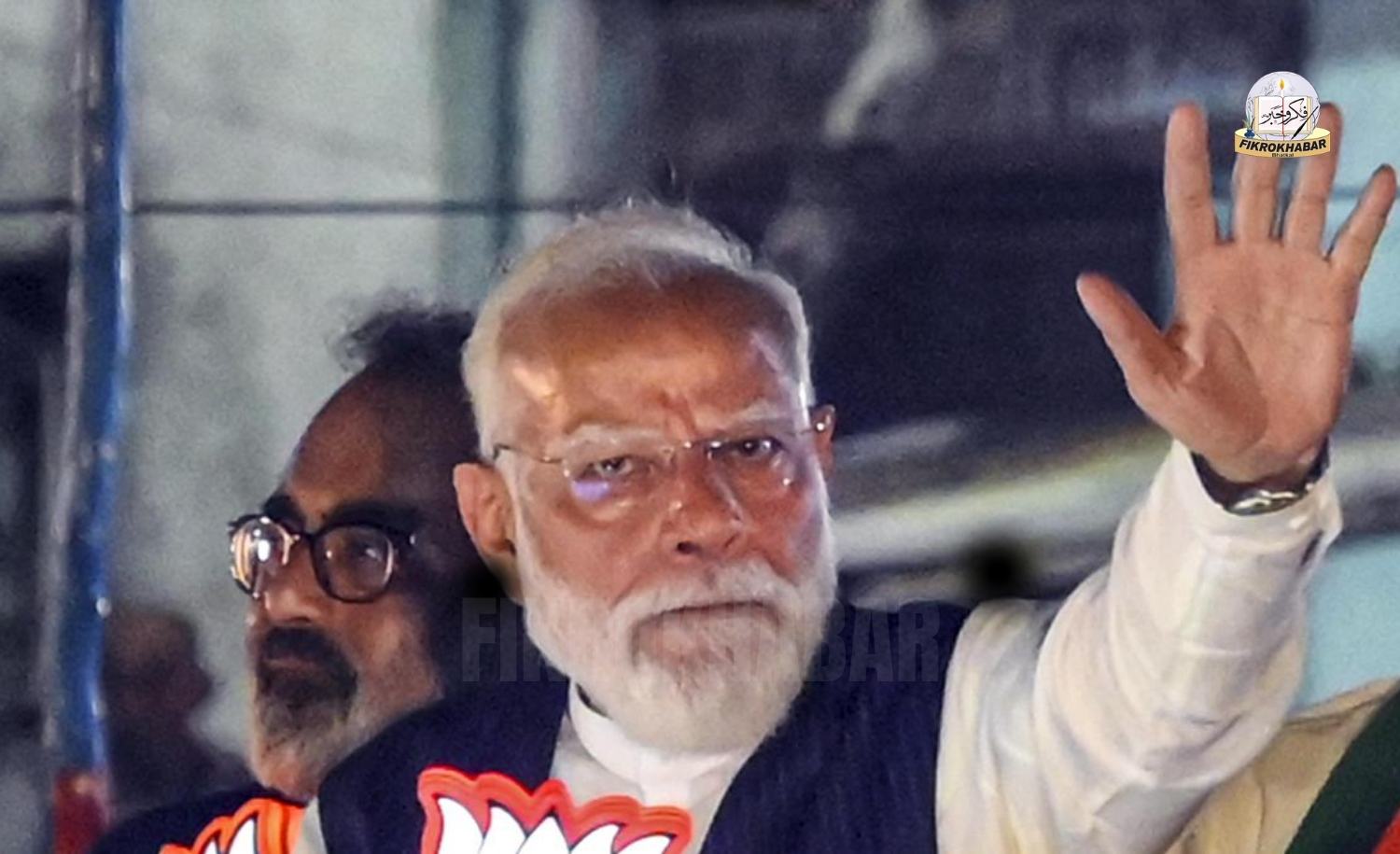
The controversy began after the Prime Minister, during an event marking 150 years of Vande Mataram, said that dropping important stanzas of the song in 1937 had “sown the seeds of partition”. Modi claimed that this “divisive mindset” continues to challenge India even today.
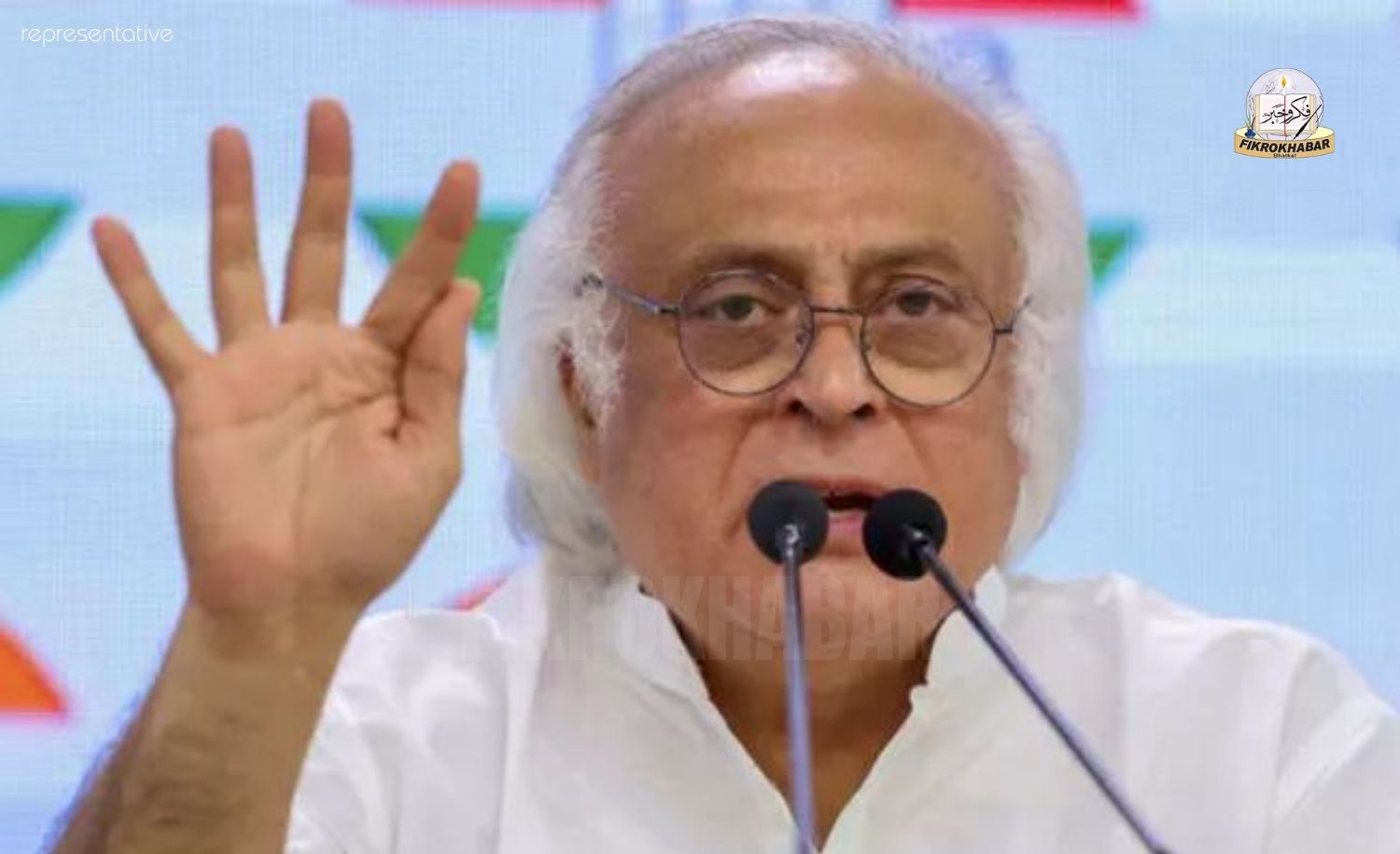
Reacting sharply, Congress leader Jairam Ramesh said Modi’s comments were both “shocking and unsurprising,” alleging that the Prime Minister had demeaned the freedom movement’s leaders despite the RSS having played “no role” in it.
In a post on X (formerly Twitter), Ramesh cited records from the Collected Works of Mahatma Gandhi (Volume 66), which document the CWC’s 1937 resolution on Vande Mataram. He said the decision was made in consultation with Tagore and other national leaders such as Mahatma Gandhi, Jawaharlal Nehru, Sardar Patel, Subhas Chandra Bose, Rajendra Prasad, Maulana Abul Kalam Azad, and Sarojini Naidu.
According to the CWC’s statement from October 1937, only the first two stanzas of Vande Mataram—which describe the beauty and prosperity of the motherland—were to be sung at national gatherings. The Committee noted that the remaining stanzas contained religious imagery that might not align with the beliefs of all communities.
The CWC further set up a sub-committee, including Nehru, Azad, Bose, and Narendra Dev, to compile a collection of national songs, with guidance from Tagore himself.
Ramesh shared historical references showing that Tagore had advised using only the first two stanzas, as he found the rest inconsistent with his monotheistic beliefs. In a letter to Nehru, Tagore reportedly wrote that while he admired the song’s opening verses for their devotion and tenderness, he could not identify with the later portions.
“The Prime Minister has insulted this historic committee and Gurudev Tagore,” Ramesh said, demanding an apology. He also accused Modi of trying to divert attention from pressing issues such as unemployment, rising inequality, and foreign policy failures.
On Saturday, Ramesh also cited Bengali historian Prabhat Kumar Mukhopadhyay’s Rabindra Jibani and an article by writer Semanti Ghosh in Anandabazar Patrika, which, he claimed, “debunked” Modi’s version of events.
“The Prime Minister must apologise to the people of West Bengal and the entire nation,” Ramesh added.