Commercial LPG Prices Jump ₹195.5 as West Asia Conflict Pushes Energy Costs Higher
Global supply disruptions drive up commercial gas rates, while domestic LPG prices remain unchanged
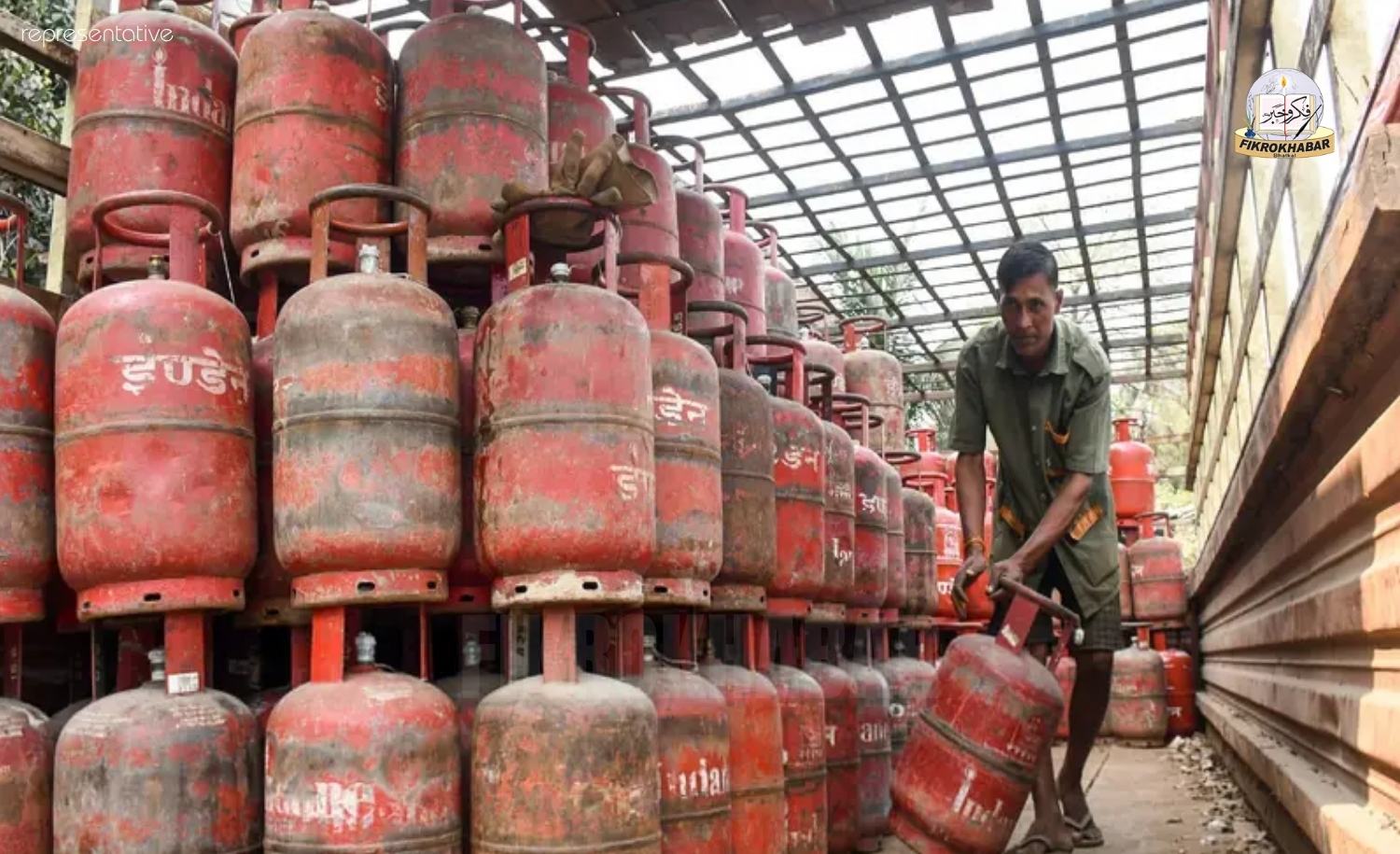

Commercial LPG prices have risen sharply by ₹195.5 per cylinder, reflecting the impact of escalating tensions in West Asia on global energy markets. In Delhi, the price of a 19 kilogram commercial LPG cylinder has now reached ₹2,078.5. This comes just a month after a previous increase of ₹114.5 on March 1.
Despite the steep hike in commercial gas rates, domestic cooking gas prices have been left unchanged. A standard 14.2 kilogram LPG cylinder continues to cost ₹913 in the national capital. The last revision for household LPG took place on March 7, when prices were increased by ₹60.
Fuel prices in India are revised at the start of every month by state owned oil companies, based on global benchmarks and currency fluctuations. The recent surge is closely tied to disruptions in energy supply caused by the ongoing conflict in West Asia, which began on February 28.
One of the major concerns is the blockage of the Strait of Hormuz by Iran. This route is vital for global oil transport, carrying nearly one fifth of the world’s petroleum supply. The disruption has had a direct impact on India, which depends on imports for around 60 percent of its LPG needs, largely from Gulf countries.
Global crude oil prices have also seen a sharp rise. Brent crude was trading at about $105 per barrel on Wednesday. Although slightly lower than the previous day’s $115, it remains significantly higher than the $78 recorded just before the conflict began.
To manage the situation, the central government has advised consumers to shift to piped natural gas where possible. It has also encouraged states to expand their gas pipeline networks by offering additional allocations of commercial LPG.
As a temporary relief measure, the government has allocated kerosene under the Public Distribution System for 60 days. This move is aimed at helping households meet basic cooking and lighting needs during the ongoing supply crunch. The allocation covers several regions that had earlier phased out kerosene distribution.
The conflict itself was triggered after Israel and the United States carried out strikes on Iran, citing security concerns. Iran has since retaliated with attacks targeting Israeli positions, American military bases, and key locations in Gulf countries.
Back home, the rising LPG prices and supply issues have sparked strong political reactions. Opposition leaders have criticized the government’s handling of the crisis, raising concerns about energy security and the broader economic impact. Protests have also taken place outside Parliament, with demands for accountability from the leadership.