CJI Gavai Targeted in Courtroom Shoe Attack Amid Rising Right-Wing Rhetoric
Advocate hurls shoe at Chief Justice over comment on Lord Vishnu idol case; incident sparks debate on caste, religious politics, and Dalit marginalization.


New Delhi, October 2025 – In a dramatic and disturbing incident inside the courtroom, Chief Justice of India D.Y. Chandrachud Gavai was targeted by advocate Rakesh Kishore, who hurled a shoe at the CJI during proceedings related to a PIL (Public Interest Litigation). The PIL, filed by Kishore, sought the restoration of a missing head of a Lord Vishnu idol in a Khajuraho temple.
Justice Gavai, while dismissing the petition, remarked that the matter was not a genuine public interest issue but more of a publicity attempt. He even suggested sarcastically that the petitioner could approach the Archaeological Survey of India (ASI) or even pray to the deity for restoration.
The judge’s comment was met with outrage by Kishore, who claimed that Lord Vishnu had appeared in his dream and instructed him to act. Driven by what he described as “divine inspiration,” he threw his shoe at the Chief Justice in open court. The incident has sparked widespread condemnation, with many seeing it as an alarming reflection of the growing intolerance and caste-driven aggression in today’s political climate.
Justice Gavai, notably the second Dalit and the first Buddhist to serve as Chief Justice of India, displayed remarkable restraint. He instructed court officials to proceed with business as usual and even requested no action be taken against the advocate. The police later summoned Kishore for questioning but released him after a brief conversation returning his shoe as well. However, since then, multiple FIRs have been filed against him in various states.
The episode didn’t end there. Right-wing social media influencer Ajeet Bharti also made derogatory remarks about Justice Gavai online. Despite public pressure and speculation of legal action, Bharti remained defiant. In a post on X (formerly Twitter), he claimed:
“The government is ours; the system is ours… We are all one past, present, and future. Jai Shri Ram.”
This comment, interpreted as a reflection of the perceived support such individuals enjoy under the current government, fueled further outrage. Critics have pointed out the double standards in how such incidents are handled. Observers noted that if a Muslim had thrown a shoe at the CJI, stringent laws like the NSA (National Security Act) may have been invoked immediately.
Adding another dimension to the situation, Justice Gavai’s mother recently declined an invitation to be a chief guest at a local event in Maharashtra. She reportedly said, “I am an Ambedkarite and cannot attend the program,” signaling her ideological distance from the current socio-political climate.
The social media outrage following Justice Gavai’s remarks focused heavily on the perceived insult to “Sanatan Dharma,” with slogans like “Sanatan ka apmaan, nahi sahega Hindustan” gaining traction. This reflects a shift in right-wing discourse where “Sanatan” has begun to replace “Hindu” as the central rallying cry.
Analysts argue that the rise in caste-based aggression is closely tied to the political rise of the Hindu nationalist movement. The RSS — the ideological parent of the ruling BJP — has historically promoted caste hierarchies rooted in ancient scriptures like Manusmriti. While today’s rhetoric claims caste equality, critics say that social marginalization of Dalits continues, often with state complicity.
Since the BJP came to power in 2014, crimes against Dalits have seen a sharp rise. Data from 2018 shows that crimes against Dalits and Adivasis increased by 27.3% and 20.3% respectively. Scholar Anand Teltumbde notes that over 55,000 cases of atrocities against Dalits are registered every year — including, on average, four murders and a dozen rapes of Dalit women every day.
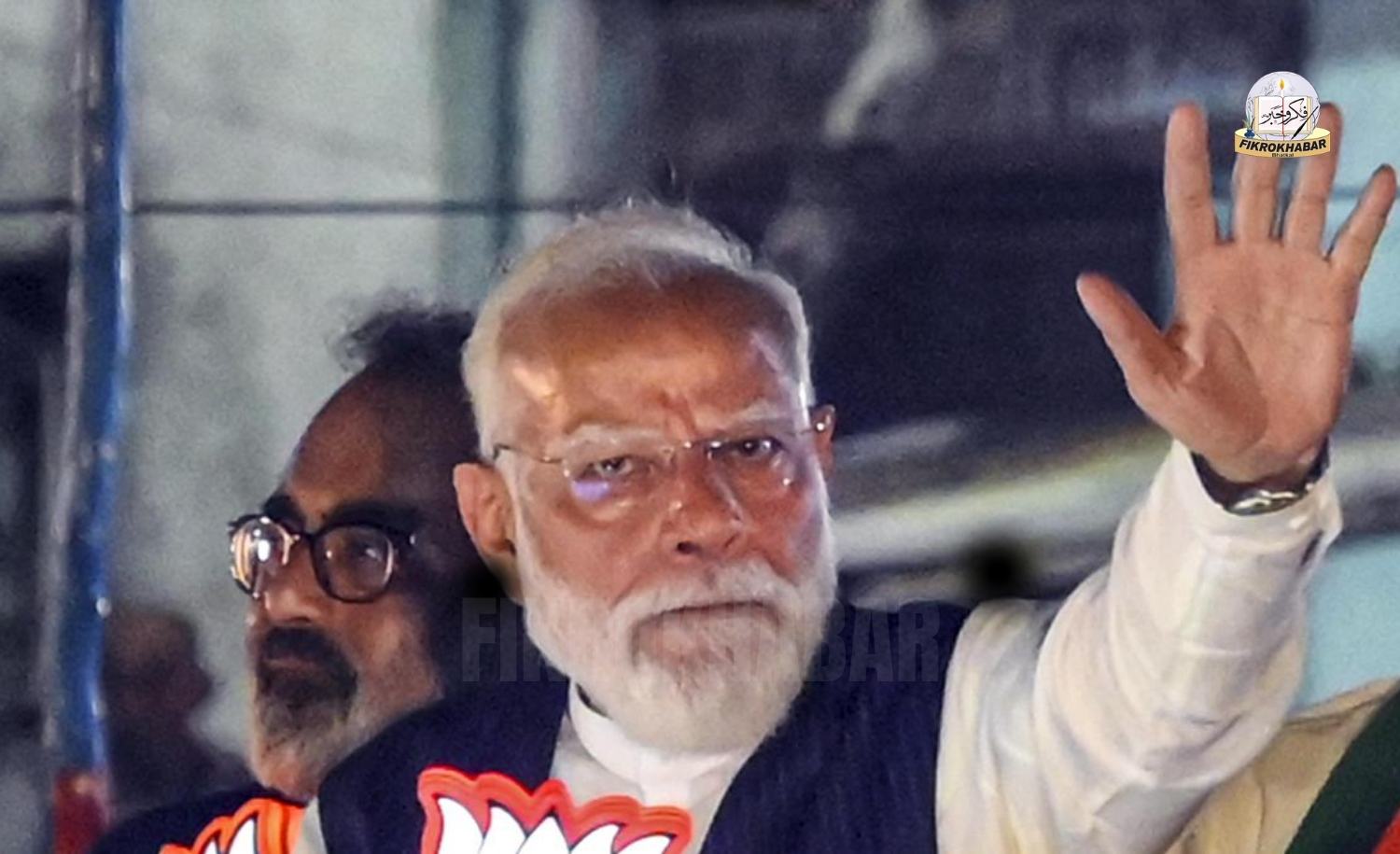
Despite the gravity of the courtroom incident, the state’s response has been muted. Prime Minister Narendra Modi, sensing possible electoral fallout among Dalit voters, issued a brief and general tweet, avoiding any direct condemnation.
While the Constitution and affirmative action have enabled individuals like Justice Gavai to reach the highest echelons of the judiciary, the broader societal mindset around caste remains largely unchanged. Though both Ambedkar and Gandhi campaigned vigorously against caste discrimination and encouraged inter-caste marriages, progress has been slow and often superficial.
In today’s political landscape, rising religious and caste sectarianism appear to go hand-in-hand. The actions of Rakesh Kishore, and the impunity enjoyed by voices like Ajeet Bharti, are symptomatic of a deeper problem where political power provides cover for hate and lawlessness, eroding both constitutional values and social harmony.