Centre Directs States to Set Up Detention Centres for Illegal Immigrants Under New Immigration Law

New Delhi:
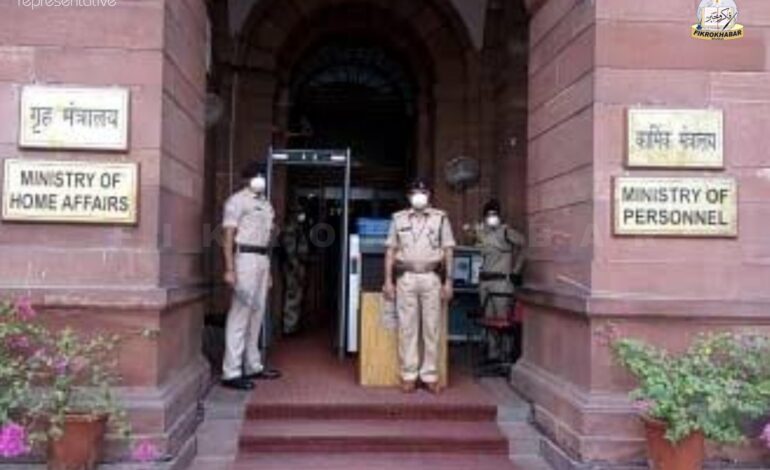
The Union Home Ministry has issued a directive to all states and Union Territories to establish detention centres for holding individuals identified as illegal immigrants, under the provisions of the newly enacted Immigration and Foreigners Act, 2025.
According to the order, issued on Monday, undocumented foreigners will be detained until deportation procedures are completed. The responsibility for determining a person’s foreign status has been handed to the District Magistrate or Collector, in consultation with the Foreigner Tribunal.
The ministry clarified that individuals convicted of serious crimes—such as terrorism, rape, murder, or child trafficking—will be barred from entering or staying in India.
Detention Process and Biometric Registration
The directive also outlines stricter measures at the country’s entry points. Foreign nationals entering India will be stopped by the Border Security Force (BSF) or the Coast Guard, and their biometric data will be recorded on a central government portal.
Those who are identified as “illegal immigrants” will be sent to the newly mandated detention centres until legal action or deportation is finalized.
Interestingly, the circular specifically includes nationals from Afghanistan, Bangladesh, and Pakistan, particularly from non-Muslim minority communities. It also mentions that citizens of Nepal and Bhutan will be covered under this process—raising fresh questions about regional relations and the selective nature of implementation.
Contradictions and Past Claims
The Centre’s latest move appears to contradict Prime Minister Narendra Modi’s 2019 statement, where he had publicly declared during a rally in Delhi that there were “no detention centres in India.” However, official data from the same year revealed that 1,043 individuals were being held in such centres in Assam alone. Currently, six detention centres are operational in the state.
Grim Conditions in Detention Camps
Multiple reports have shed light on the inhumane conditions inside existing detention centres. A detailed investigation by Al Jazeera described the camps as the “worst place to live,” citing lack of basic medical care, inadequate food, poor sanitation, and overcrowding.
Human rights organisations and activists have strongly condemned the directive. Many argue that these centres are being used as tools of harassment, particularly against minorities, and have demanded the closure of all such facilities. They further urged the government to ensure humane treatment for those detained, regardless of their citizenship status.
“Detention does not mean dehumanization,” said one prominent rights activist. “These individuals must not be stripped of their dignity.”
Concerns Over Targeting and Transparency
The government’s decision has also raised concerns of bias, as the directive selectively identifies migrants from certain communities and countries. Critics argue that the policy lacks transparency, accountability, and clear legal safeguards, particularly in cases where documentation is disputed or unavailable.
As the central government pushes ahead with its new immigration framework, civil society continues to question the legal, moral, and humanitarian implications of establishing a nationwide detention infrastructure.