Bangladesh Court Sentences Former PM Sheikh Hasina to Death for Crimes Against Humanity
A Dhaka court found the ousted leader guilty of ordering deadly crackdowns on student protesters, with the verdict delivered amid tight security and nationwide tensions.
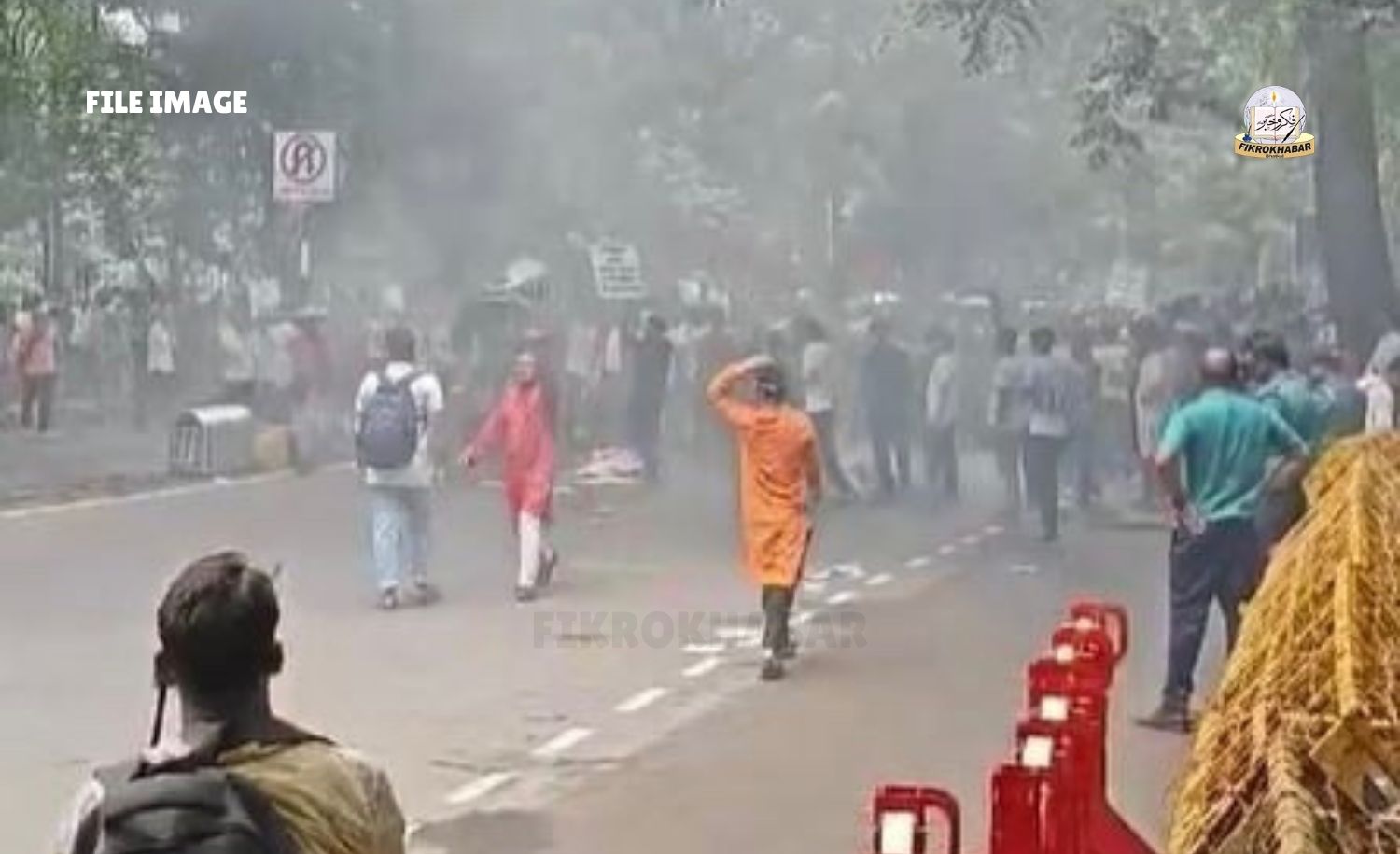

A Bangladesh court handed down a death sentence to former Prime Minister Sheikh Hasina on Monday, convicting her of crimes against humanity related to a brutal crackdown on student-led protests that ultimately forced her from power.
The 78-year-old former leader, who fled to India and refused to return for her trial, was found guilty on three serious charges: inciting violence, ordering killings, and failing to prevent mass atrocities during the uprising in August 2024.
Judge Golam Mortuza Mozumder delivered the verdict in a packed Dhaka courtroom, with the proceedings broadcast live on national television. As he announced the death sentence, cheers erupted from the crowd inside the court.
“All the elements constituting crimes against humanity have been fulfilled,” the judge stated. “We have decided to inflict her with only one sentence; that is, sentence of death.”
The trial also resulted in a death sentence for Asaduzzaman Khan Kamal, Hasina’s former interior minister, who remains a fugitive. He was convicted on four counts of crimes against humanity. Meanwhile, former police chief Chowdhury Abdullah Al-Mamun, who appeared in court and pleaded guilty, received a five-year prison term.
According to United Nations estimates, up to 1,400 people were killed as security forces tried to suppress the student-led uprising while Hasina attempted to hold onto power. These killings formed the core of the prosecution’s case against her.
Chief prosecutor Tajul Islam expressed hope that the verdict would satisfy the people’s demand for justice and help end such crimes in Bangladesh.
Prosecutors presented five charges, including failure to prevent murder, all classified as crimes against humanity under Bangladesh law. Over several months, the court heard testimony describing how Hasina allegedly ordered mass killings to crush the protest movement.
Throughout the trial, Hasina remained defiant. She dismissed the proceedings as a “jurisprudential joke” and refused to recognize the court’s authority. Though the state appointed a lawyer to represent her, she rejected all charges against her.
In an October interview, Hasina said a guilty verdict was “preordained” and that she would not be surprised by the outcome. She did express sorrow for the lives lost during the protests but stopped short of taking responsibility, angering many who accused her of using deadly force to maintain her grip on power.
Bangladesh has faced significant political instability since Hasina’s overthrow. Violence has disrupted campaigning ahead of elections scheduled for February 2026.
Authorities took extraordinary security measures for Monday’s verdict. Armoured vehicles and checkpoints were positioned throughout Dhaka, with nearly half of the capital’s 34,000 police officers on duty. The heightened security came after a series of crude bomb attacks across the city this month, targeting government buildings, buses, and religious sites.
Bangladesh’s foreign ministry recently summoned India’s ambassador, demanding that New Delhi prevent Hasina who remains in India from speaking to journalists and “granting her a platform to spew hatred.”
Hasina has also criticized the interim government led by Muhammad Yunus, warning that banning her former ruling party, the Awami League, is deepening the political crisis in the country of 170 million people ahead of the upcoming elections.
The verdict marks a dramatic fall for a leader who once dominated Bangladesh politics but now faces the death penalty while living in exile.