AIMPLB Condemns US-Israel Strikes on Iran, Calls for Immediate UN-Led Ceasefire
Muslim body urges global intervention, warns of wider war and humanitarian crisis.


New Delhi: The All India Muslim Personal Law Board (AIMPLB) has strongly condemned the recent joint military action by the United States and Israel against Iran, calling it an act of aggression and urging urgent international intervention to prevent further escalation.
In a media statement, AIMPLB spokesperson Dr. SQR Ilyas appealed to the United Nations, the global community, and the Government of India to take immediate and concrete steps to enforce a ceasefire and protect the region from what he described as a potentially devastating war.
Dr. Ilyas said that negotiations between Iran and the United States over Tehran’s nuclear programme had reportedly made significant progress before the strikes. Referring to remarks by Oman’s Foreign Minister, Badr Al-Busaidi, who was mediating the talks, he claimed that Iran had agreed to most of Washington’s conditions.
However, he alleged that the sudden US decision to end the negotiations, followed by coordinated military action with Israel, suggested that the diplomatic process may not have been pursued in good faith.
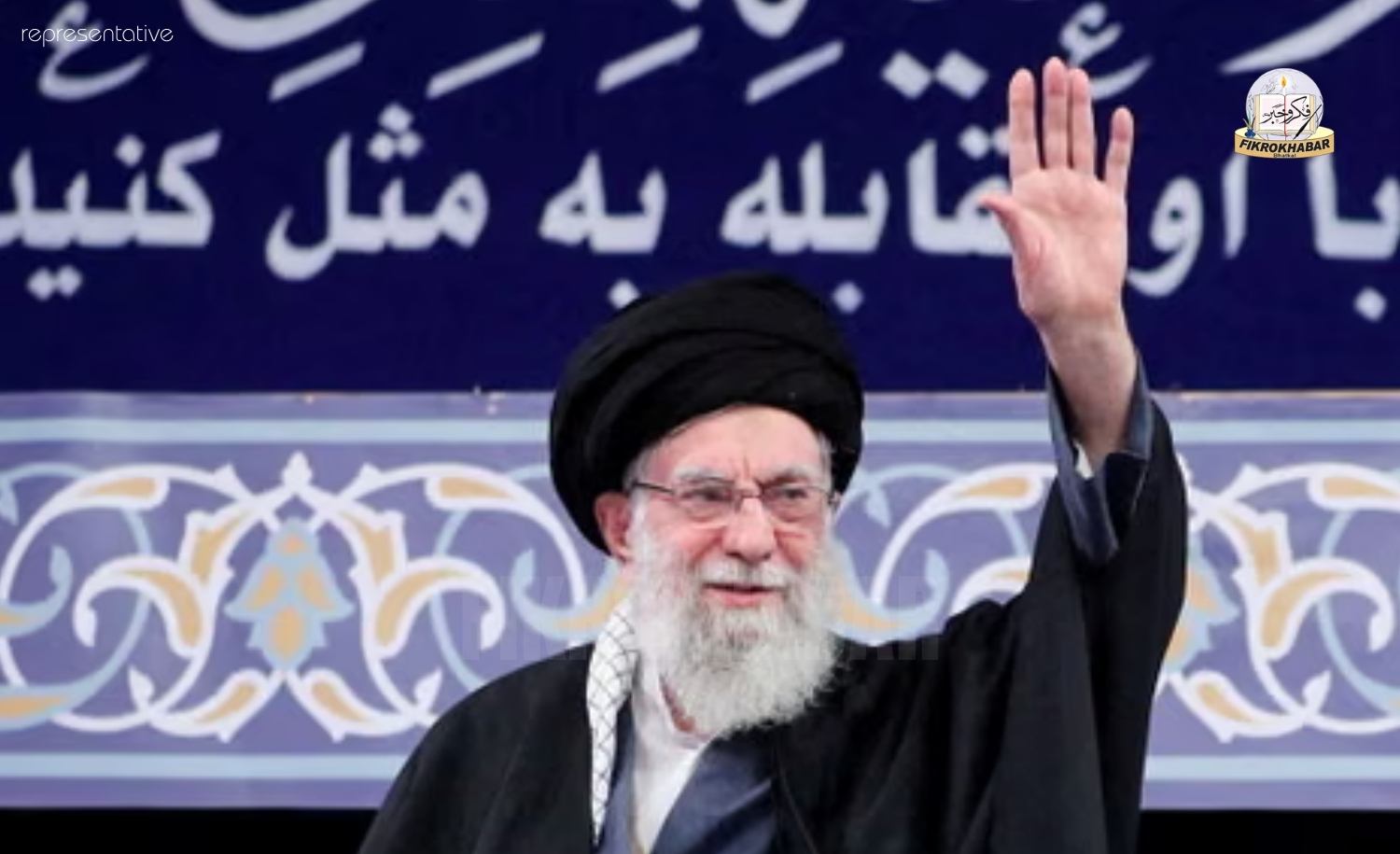
Expressing deep sorrow over the death of Iran’s Supreme Leader, Ayatollah Ali Khamenei, Dr. Ilyas described it as a major loss for the Muslim world. He said that targeting the leadership of a sovereign nation during wartime and openly advocating regime change amounts to a serious violation of international law and the principles of the United Nations Charter.
The AIMPLB spokesperson further claimed that the conflict has spread across the Middle East, with Iranian forces reportedly targeting US embassies and military installations in Gulf countries, while US and Israeli strikes have hit both military and civilian infrastructure in Iran.
He warned that with European nations backing the United States and Israel, and countries like Russia and China supporting Iran, the situation risks turning into a much larger global confrontation. Without immediate diplomatic intervention, he cautioned, the conflict could escalate into a world war with catastrophic humanitarian and economic consequences.
Dr. Ilyas added that prolonged hostilities would deepen the humanitarian crisis in the region and severely impact the global economy, particularly affecting developing and economically weaker nations.
He also expressed regret that India has not taken a more active mediatory role in the crisis. According to him, the Government of India’s current approach has affected the country’s diplomatic credibility. He further noted that no official condolence message had been issued on the death of Ayatollah Khamenei, which he said was inconsistent with India’s traditional diplomatic and moral positions.