Friday Sermon: The Blessings and Proper Way to Observe Ramadan Fasts
Moulana Khawaja Moinuddin Madani explains the spiritual rewards of fasting and the importance of following Islamic guidelines during the holy month.
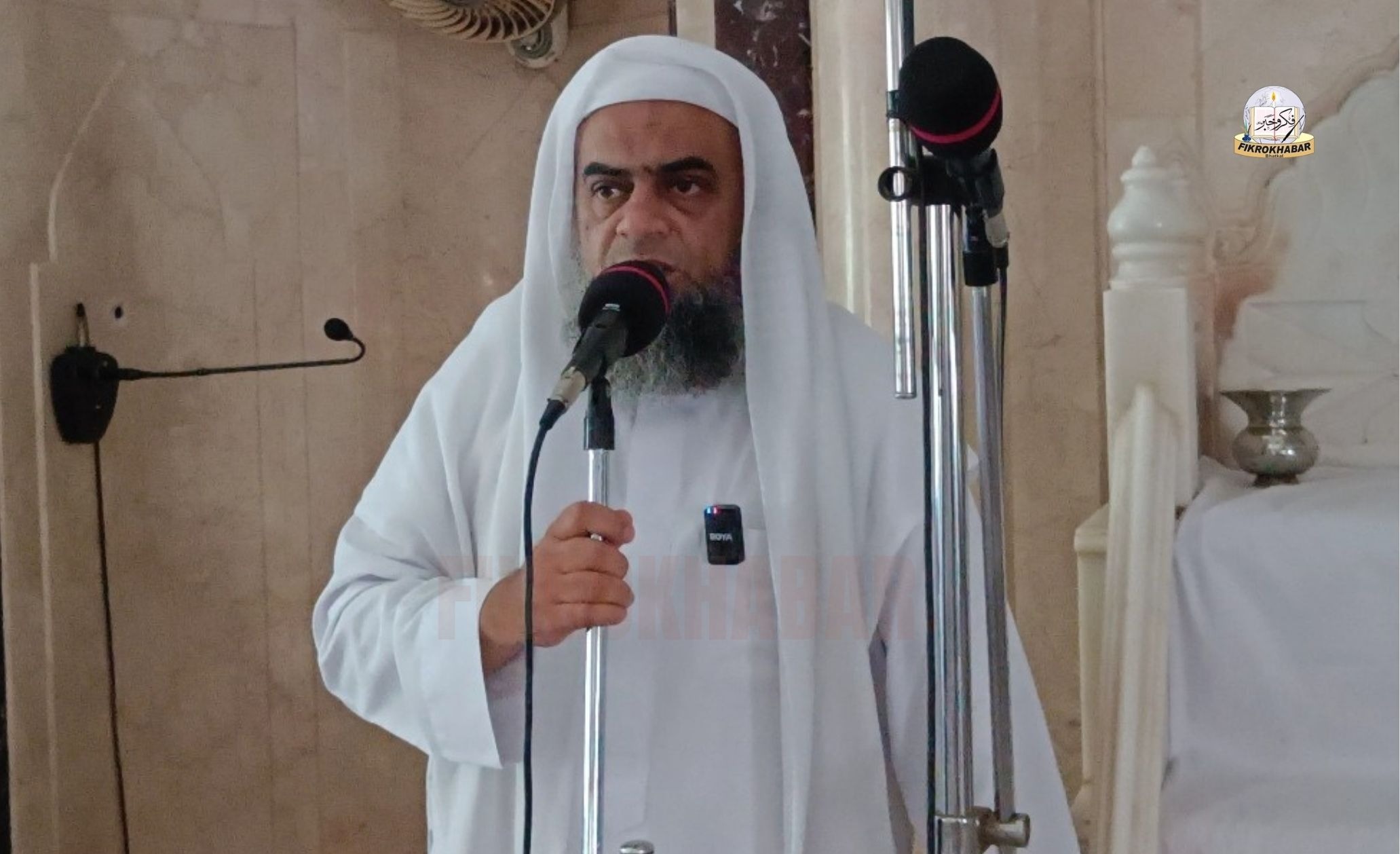

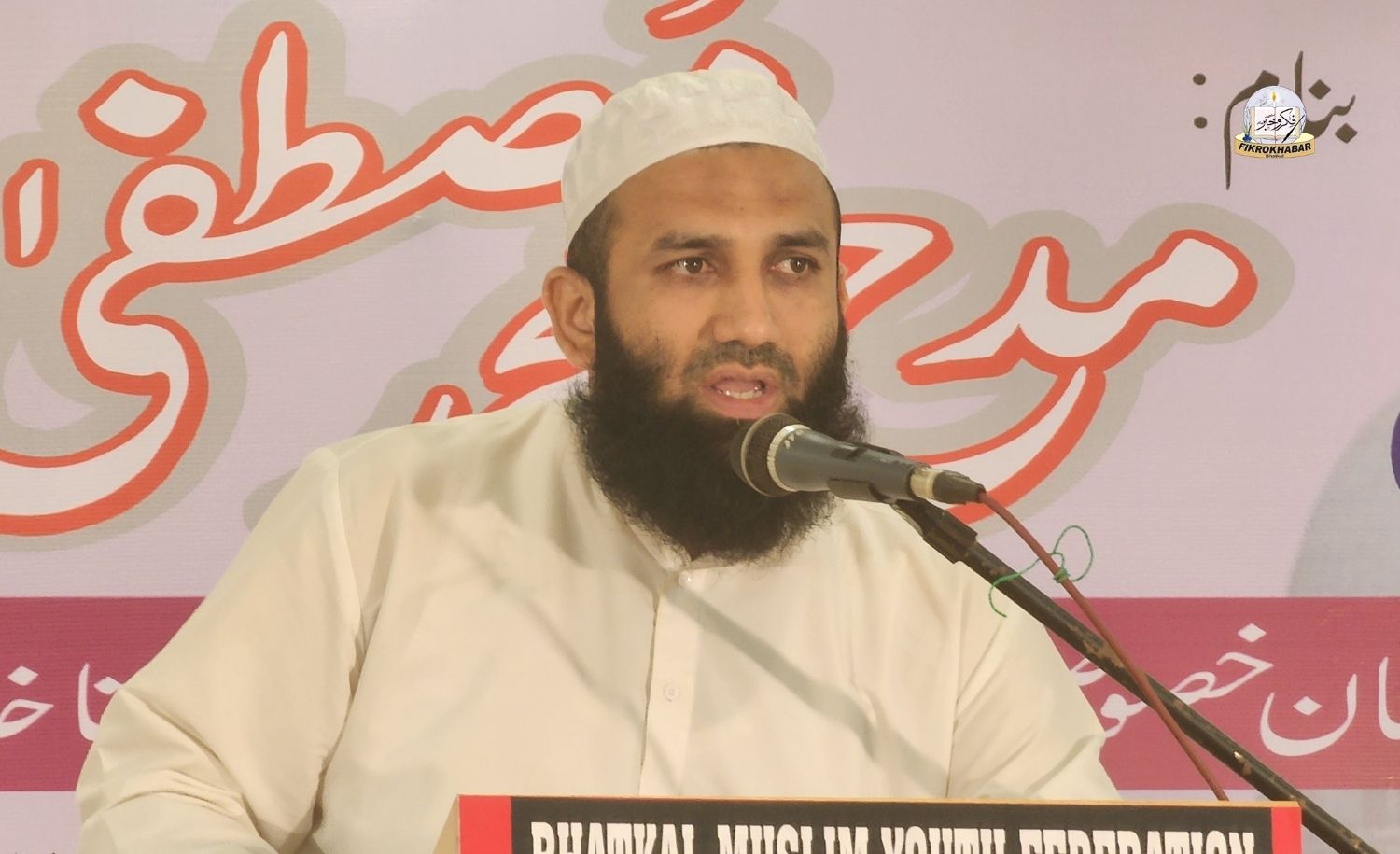
In a Friday sermon at Khalfa Masjid Bhatkal, Moulana Khawaja Moinuddin Akrami Madani spoke about the virtues of fasting in Ramadan and how Muslims should observe their fasts in the proper way.
He began by thanking Allah for giving the community another opportunity to witness the blessed month of Ramadan. He reminded everyone that fasting has been made compulsory for Muslims, just as it was for earlier nations, with the purpose of developing God-consciousness (Taqwa) in believers.
The Quran states: “O you who believe, fasting has been prescribed for you as it was prescribed for those before you, so that you may attain Taqwa.”
Who is exempt from fasting?
Moulana explained that Islam provides ease for those who cannot fast:
- Travelers and temporarily ill people can skip fasting and make up for it later.
- Those with chronic illness who cannot fast at all should feed a poor person for each missed fast (Fidyah).
The deeper purpose of fasting
Fasting is not just about staying hungry and thirsty from dawn to sunset. Moulana emphasized that its real purpose is to train the soul. Through fasting, a person learns:
- Patience and self-control – by staying away from food, drink, and desires.
- Compassion for the poor – by feeling hunger and thirst, we remember those who struggle daily.
- Humility – fasting removes pride and arrogance.
- God-consciousness – by obeying Allah’s commands even when no one is watching.
The immense reward of fasting
Moulana shared a Hadith Qudsi where Allah says: “Fasting is for Me, and I will reward it Myself.” While other good deeds may be multiplied ten to seven hundred times, the reward for fasting has no fixed limit – it is directly given by Allah.
He also mentioned that there is a special gate in Paradise called Bab al-Rayyan, reserved only for those who fasted sincerely. On the Day of Judgment, only fasting people will enter through this gate.
The punishment for missing a fast without reason
The speaker warned that if someone misses a single fast in Ramadan without a valid excuse, even if they fast for a lifetime afterward, they can never make up for the special blessing and reward of that particular Ramadan day.
Sunnah practices for fasting
Moulana reminded the congregation about two important Sunnah acts:
- Suhoor (pre-dawn meal): Eating late, just before dawn, brings blessings. The Prophet said, “Eat Suhoor, for in Suhoor there is blessing.”
- Iftar (breaking the fast): One should break the fast immediately after sunset without delay. Even a single date or a sip of water is enough to gain the blessings.
Reward for feeding others
The sermon highlighted the great reward of helping others break their fast. The Prophet said that whoever feeds a fasting person will receive:
- Forgiveness of their sins.
- Freedom from Hellfire.
- The same reward as the fasting person, without reducing the fasting person’s reward.
Even offering a date, a sip of milk, or water is enough to earn this immense reward.
Protecting the fast from sins
Finally, Moulana advised that fasting is not just about avoiding food and drink. Muslims must also guard their:
- Tongue – from lying, backbiting, and abusive language.
- Eyes and ears – from haram.
- Heart – from bad thoughts.
A fast loses its value if a person continues to sin while fasting.