Friday Sermon: Night Prayers in Ramadan Bring Great Rewards
Moulana Abdul Aleem Nadvi explains why Taraweeh and late-night worship are just as important as fasting during the holy month.
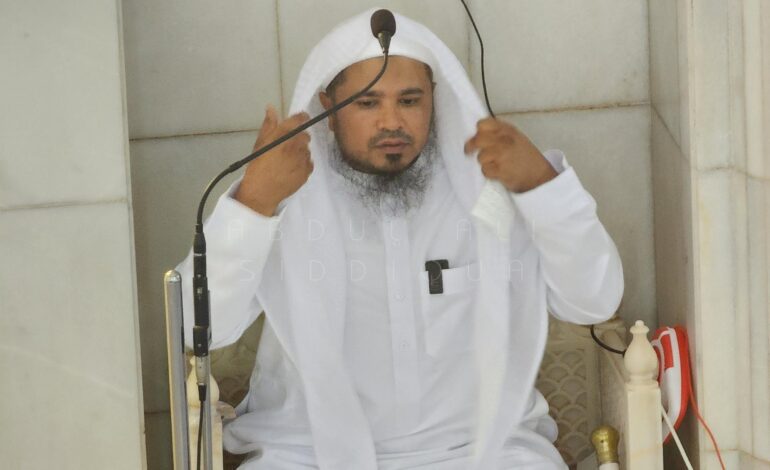

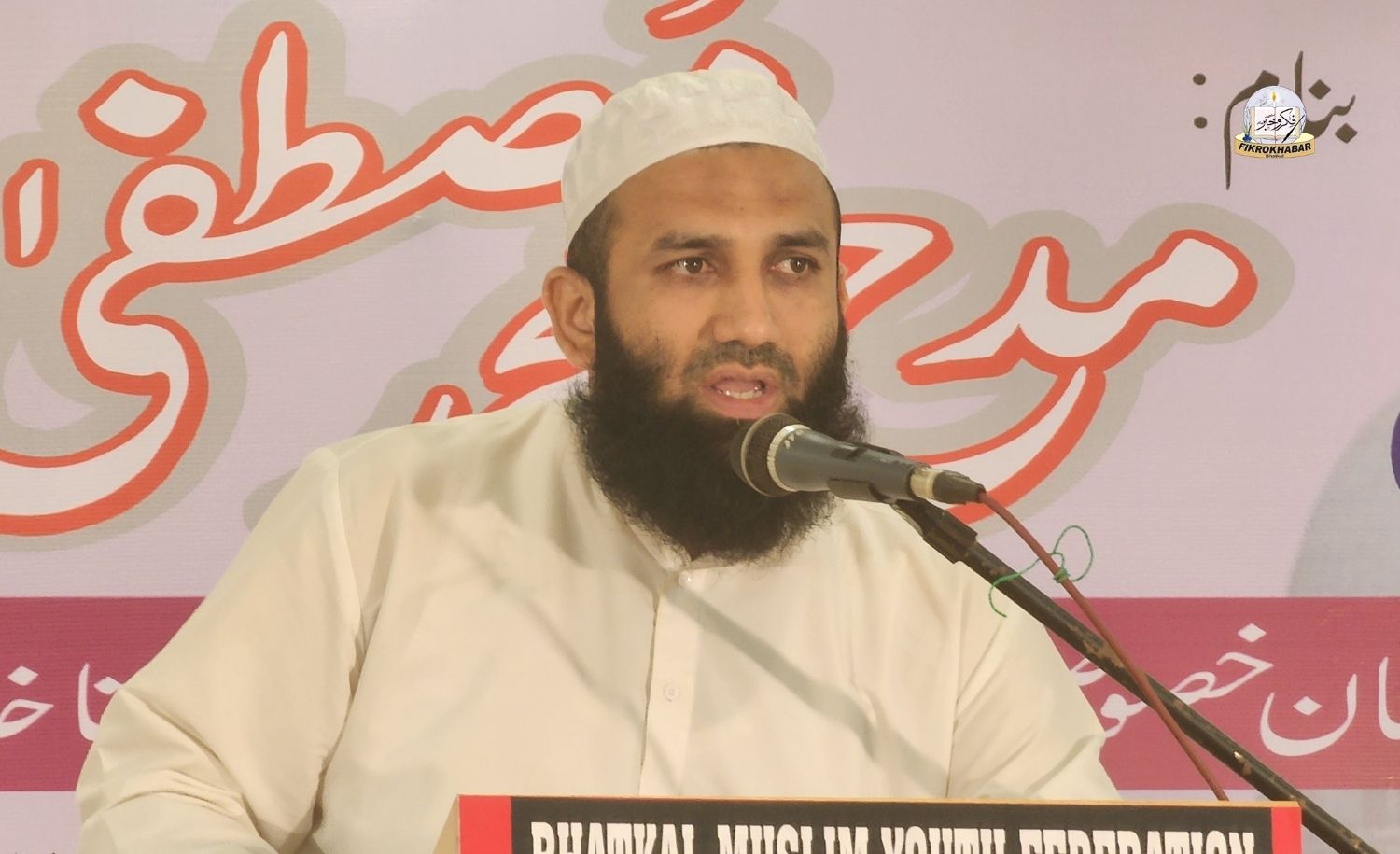
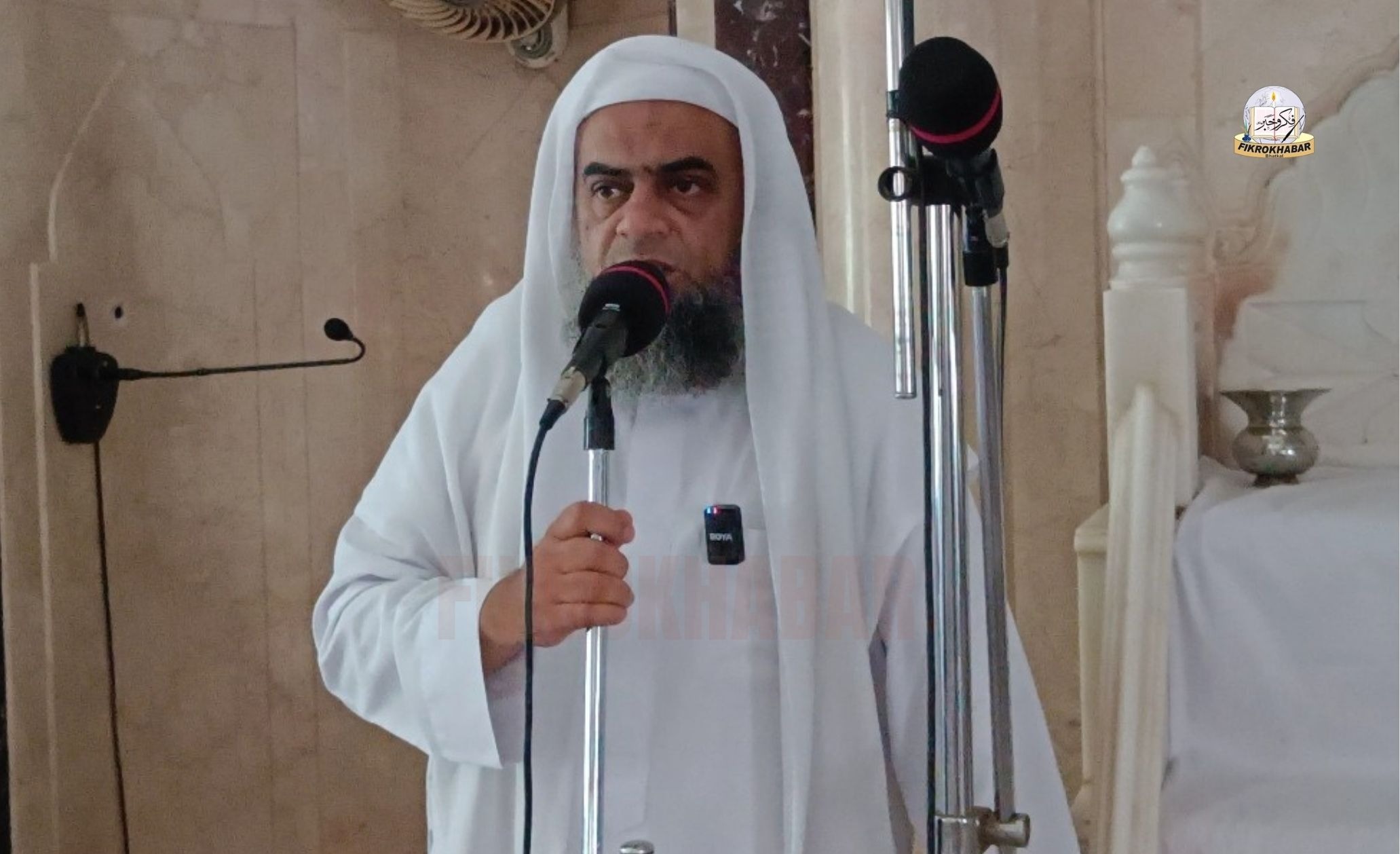
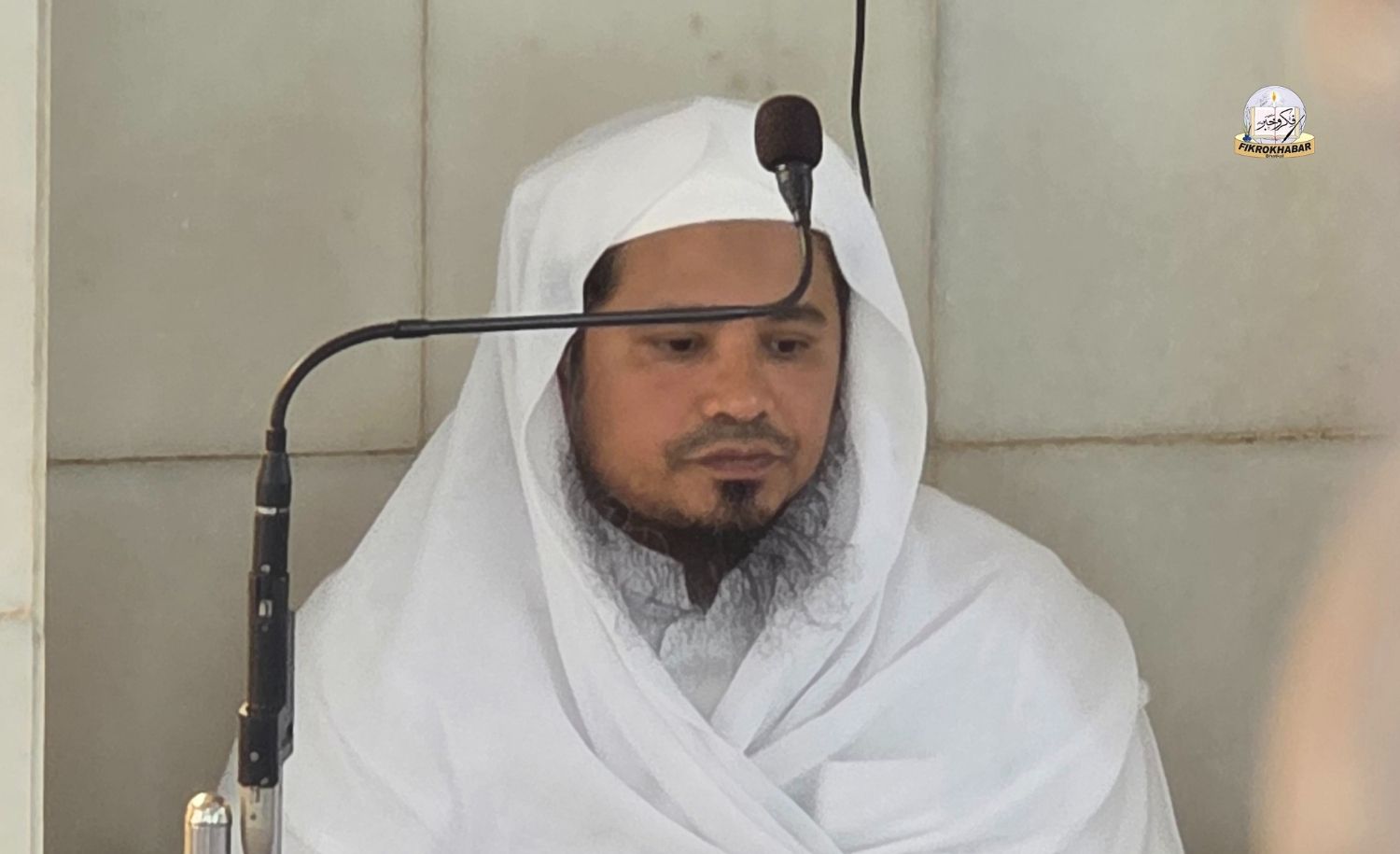
In his Friday sermon at Jamia Masjid Bhatkal, Moulana Abdul Aleem Khateeb Nadvi spoke about two special acts of worship in Ramadan that bring forgiveness from Allah.
He reminded the congregation that the Prophet Muhammad (peace be upon him) said:
- Whoever fasts in Ramadan with faith and hope for reward will have their past sins forgiven.
- Whoever stands in prayer at night during Ramadan with faith and hope for reward will also have their past sins forgiven.
The Khateeb explained that night prayers are not just for Ramadan. Throughout the year, praying at night helps a person control their desires, softens the heart, and makes their speech better.
He shared a story from the time of the Prophet. A man came and asked: If I believe in Allah and His Messenger, pray five times a day, fast in Ramadan, pray at night during Ramadan, and pay Zakat – what will be my reward? The Prophet replied that such a person would be counted among the truthful and the martyrs on the Day of Judgment.
Moulana Abdul Aleem also talked about how the early Muslims used to pray for long hours at night. They would pray so long that they worried they might miss their pre-dawn meal (Suhoor).
He expressed sadness that many Muslims today do not value night prayers. Some rush through Taraweeh just to finish quickly. Others spend the last ten nights of Ramadan shopping in markets instead of praying.
“The last ten nights are a time when Allah’s mercy rains down,” he said. “Do not waste them in markets. Stand before Allah, pray, and ask for forgiveness.”
He also advised those leading Taraweeh to recite the Quran clearly and with proper pronunciation, so that people can understand and feel connected to the words of Allah.